
THE CATTLE
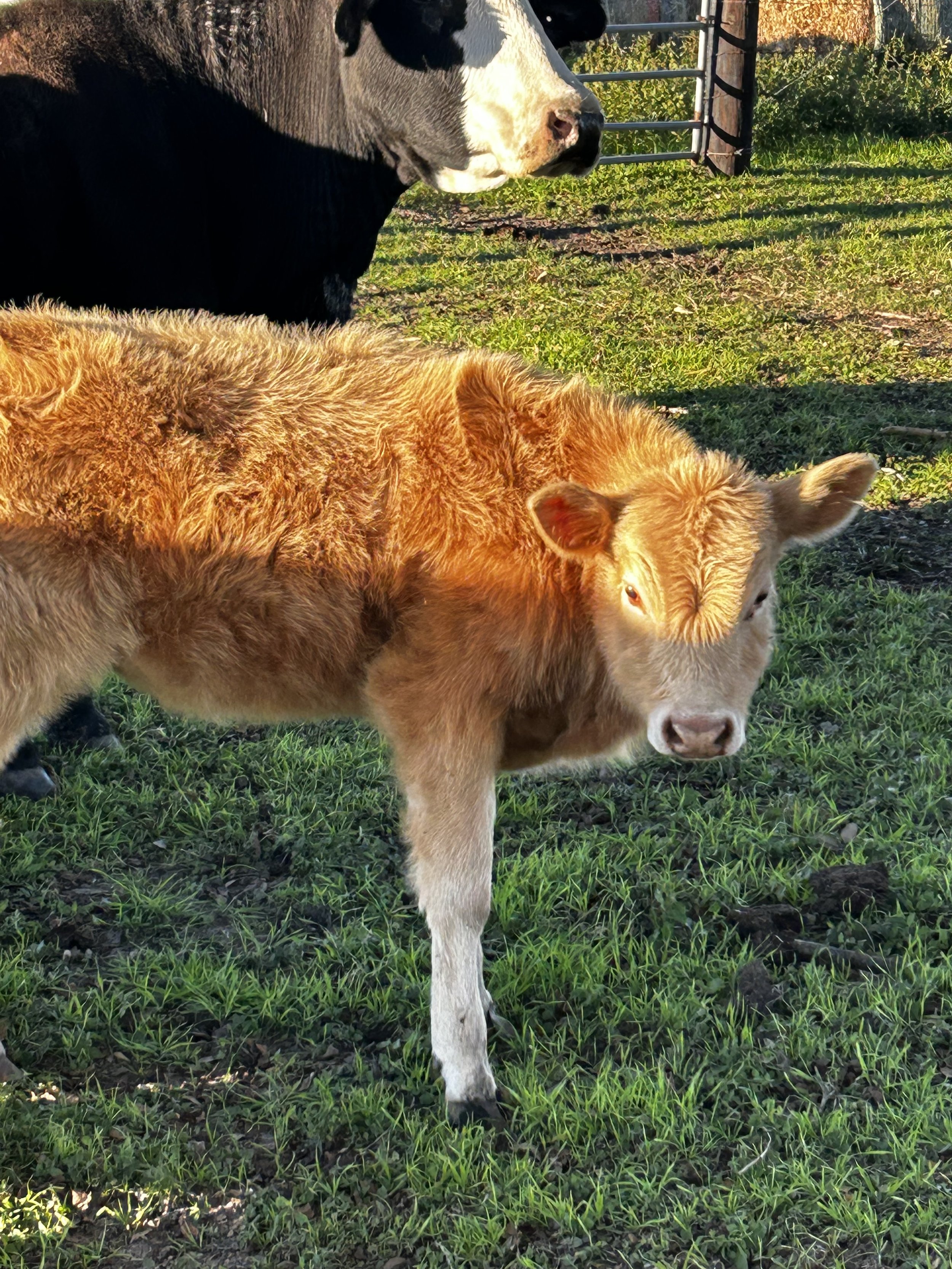
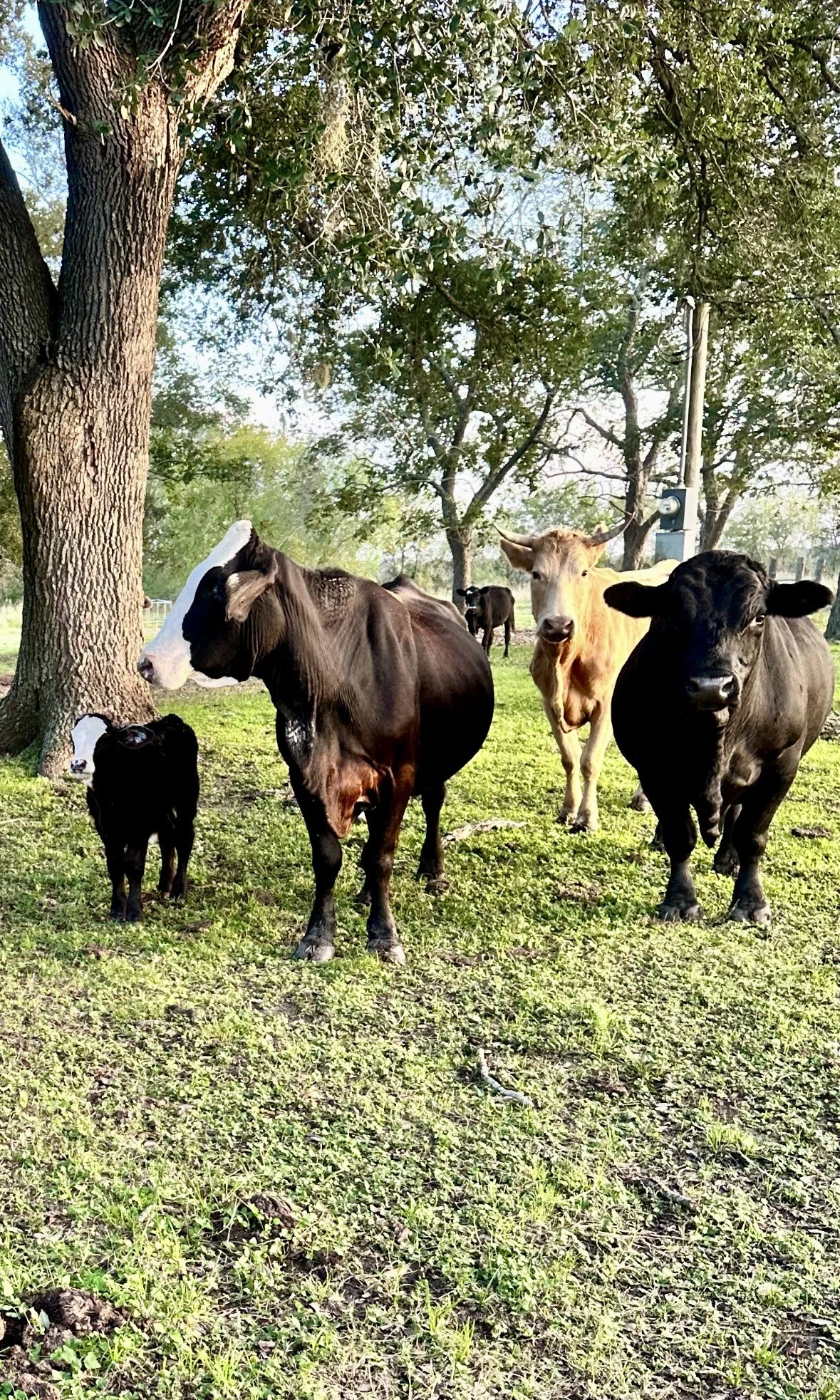
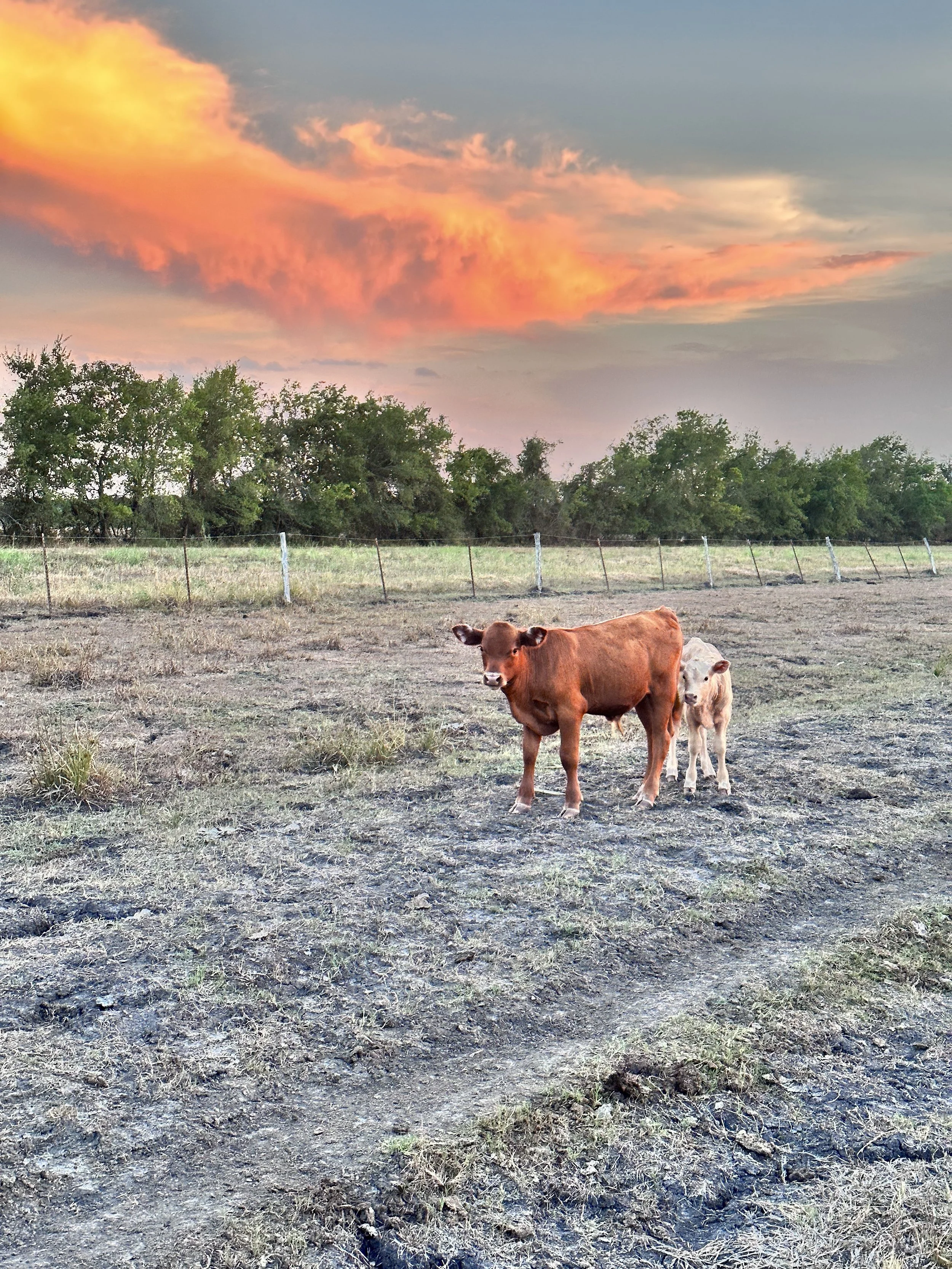
Raised, worked, and cared for daily.
M I K E S K A F A R M S




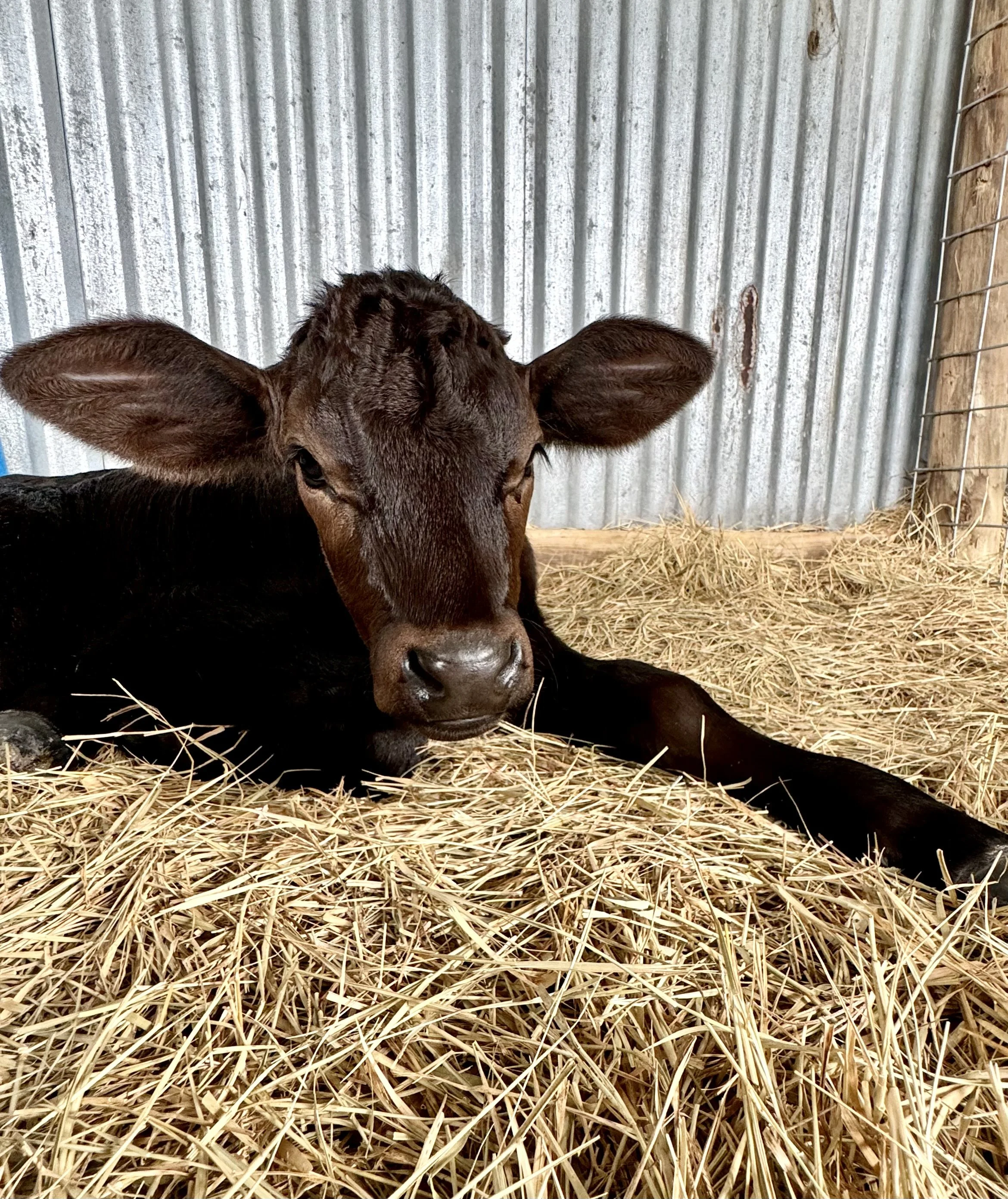

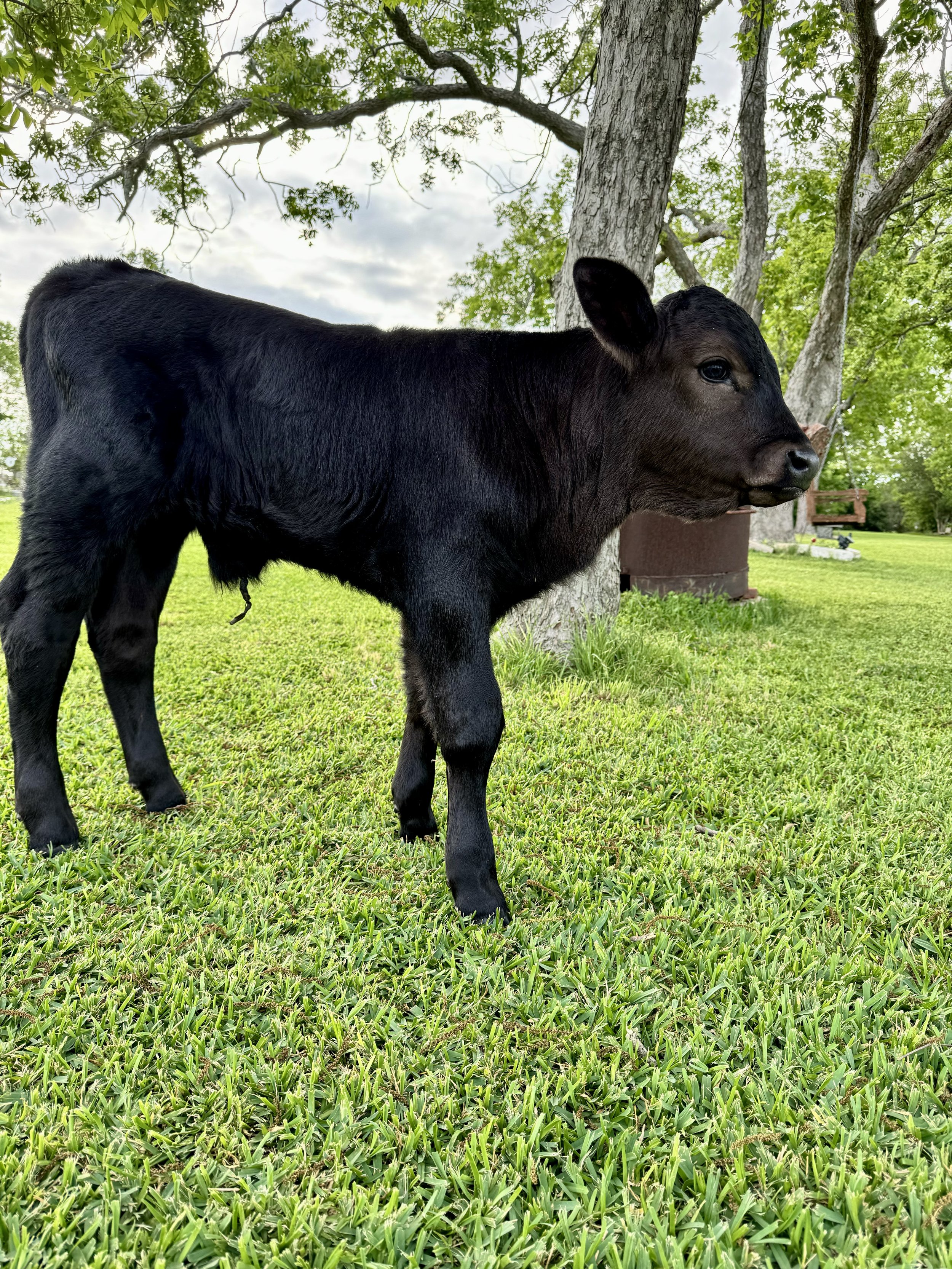
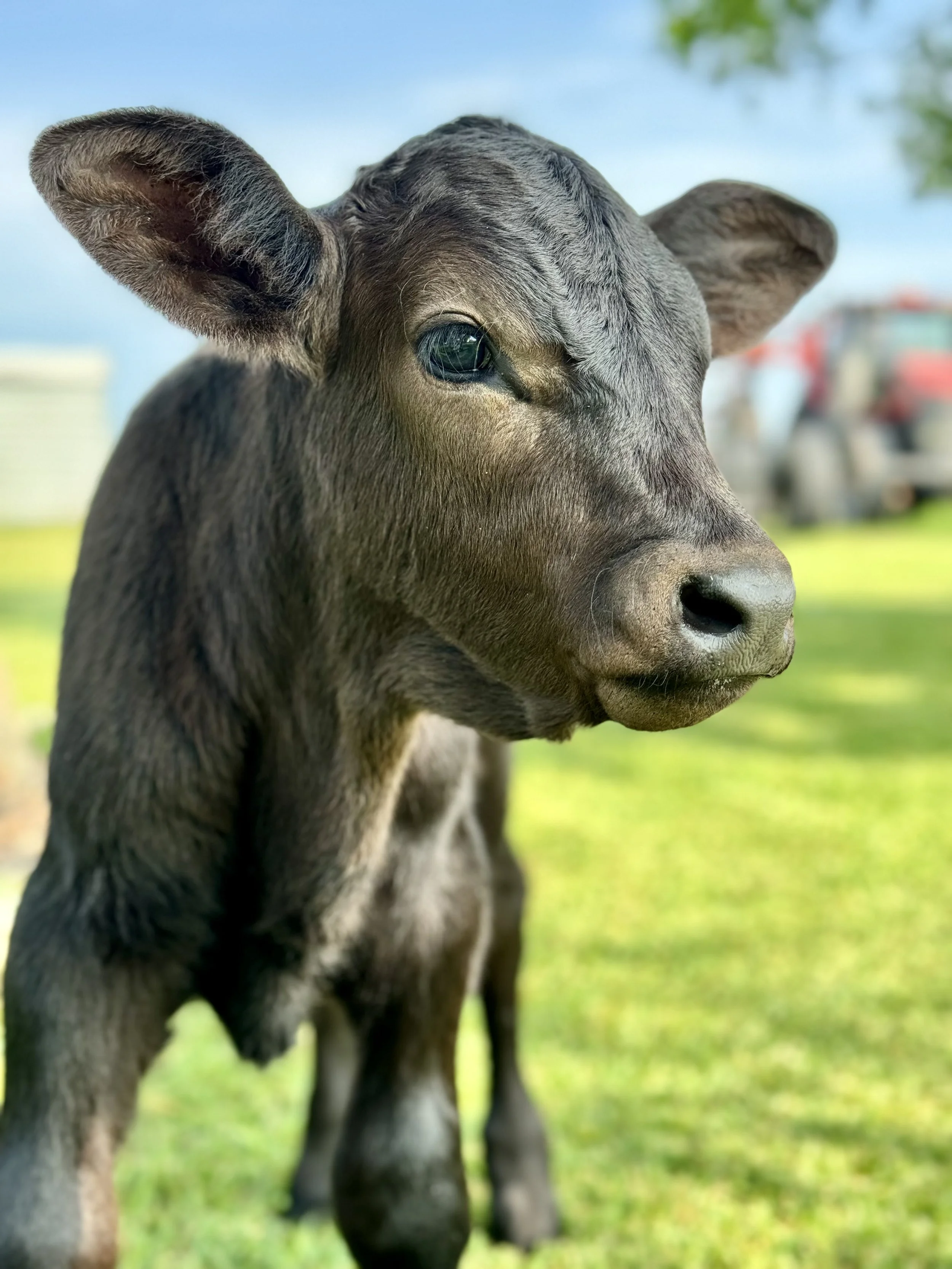
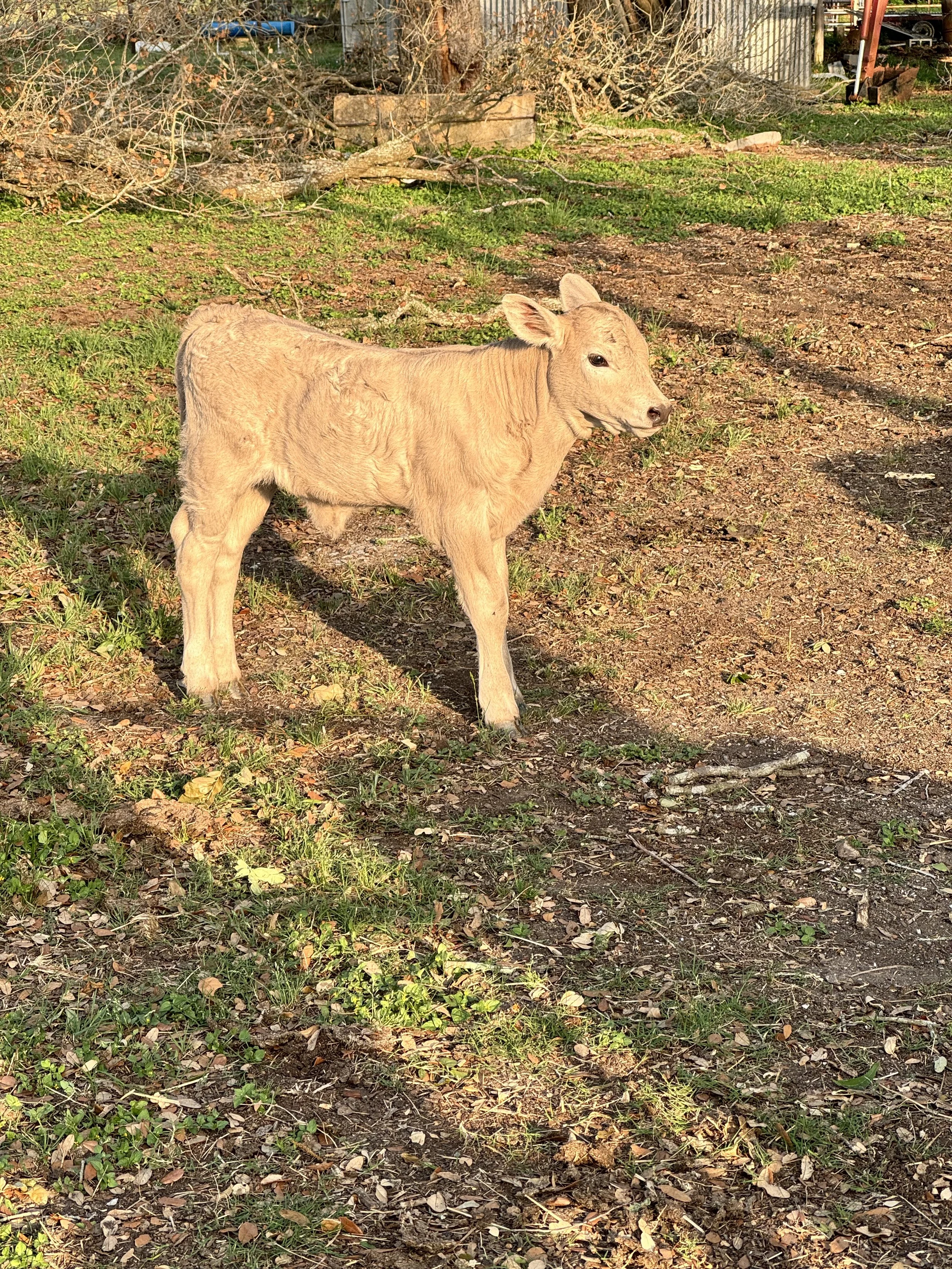
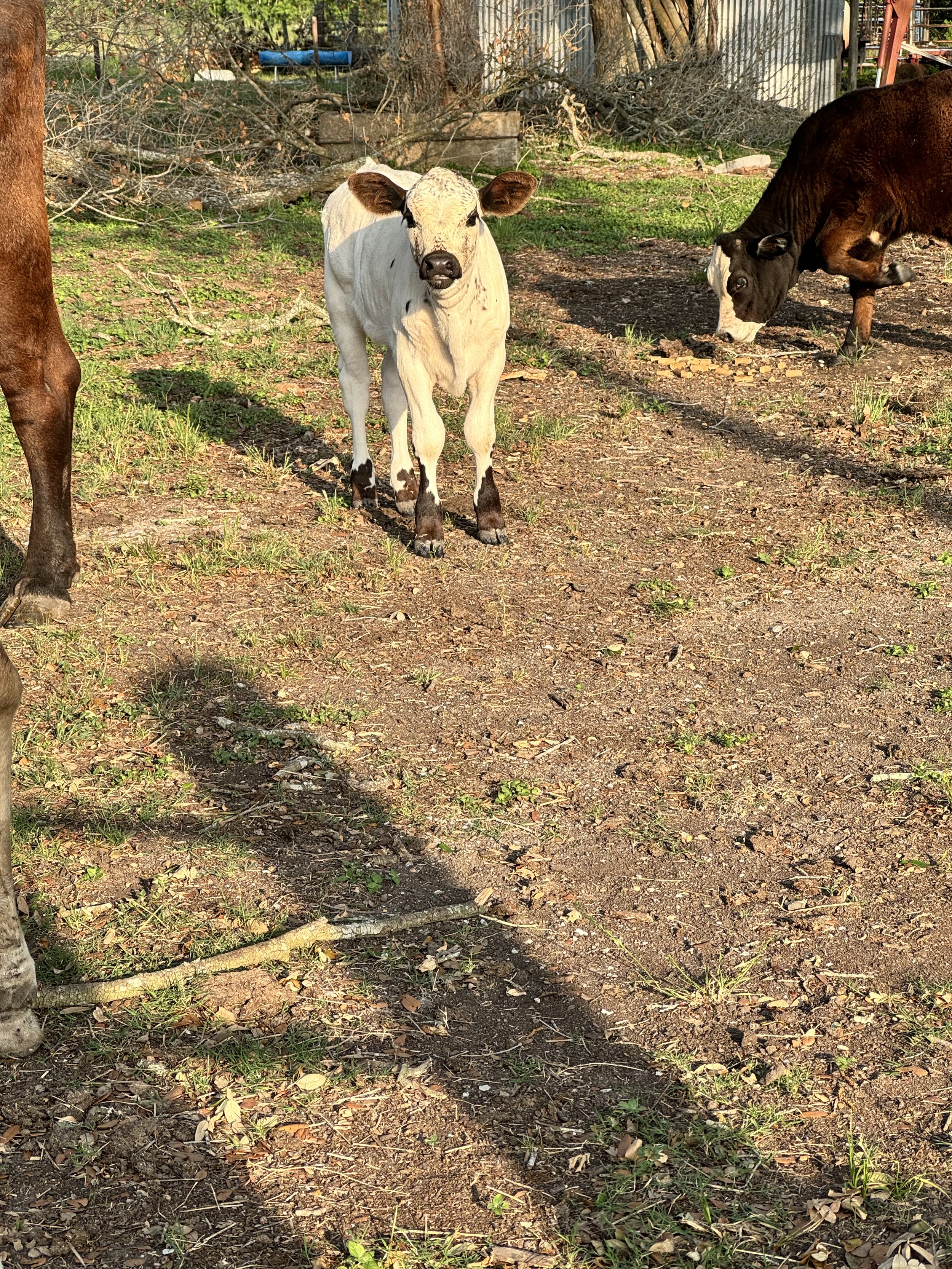
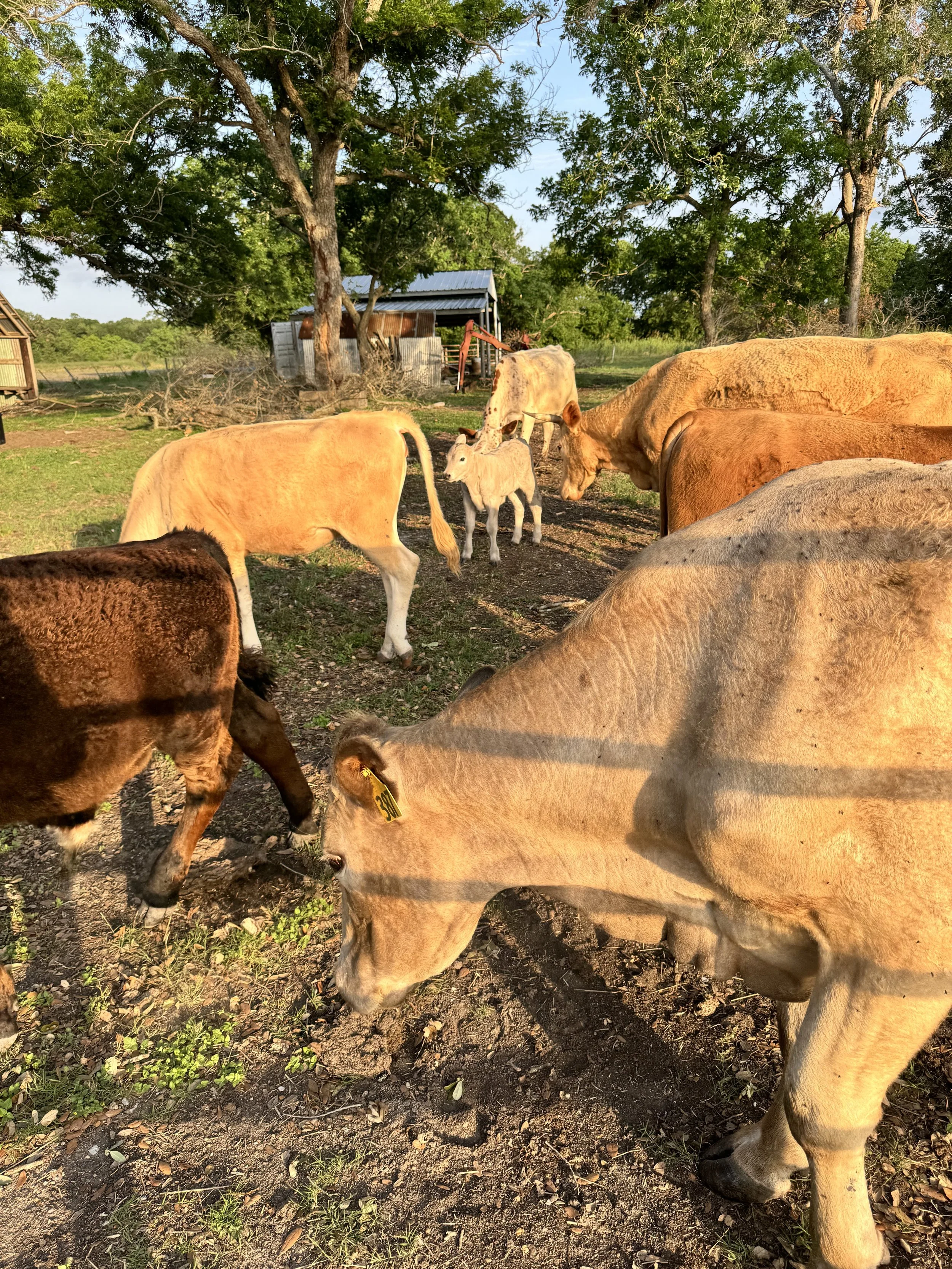
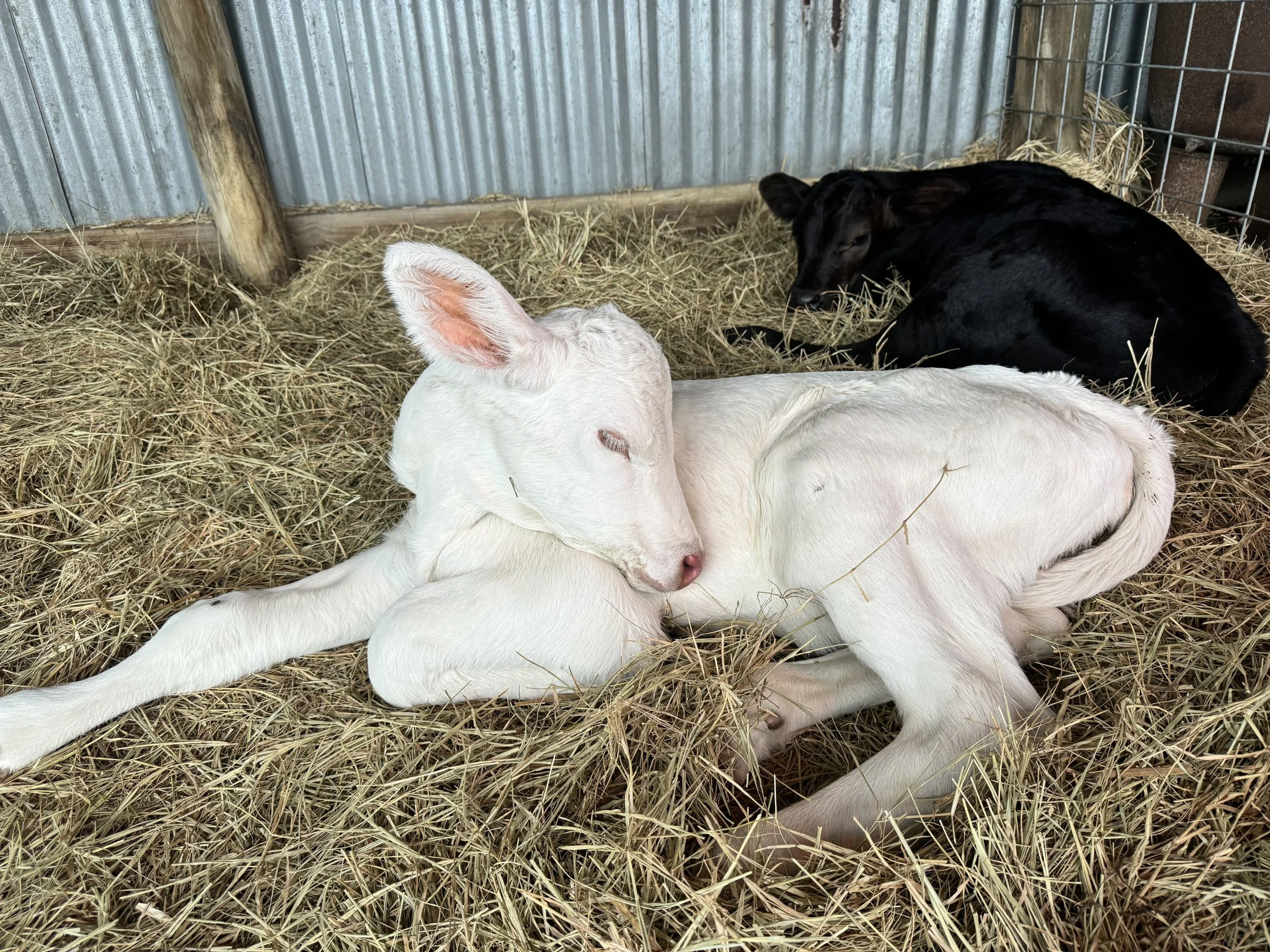
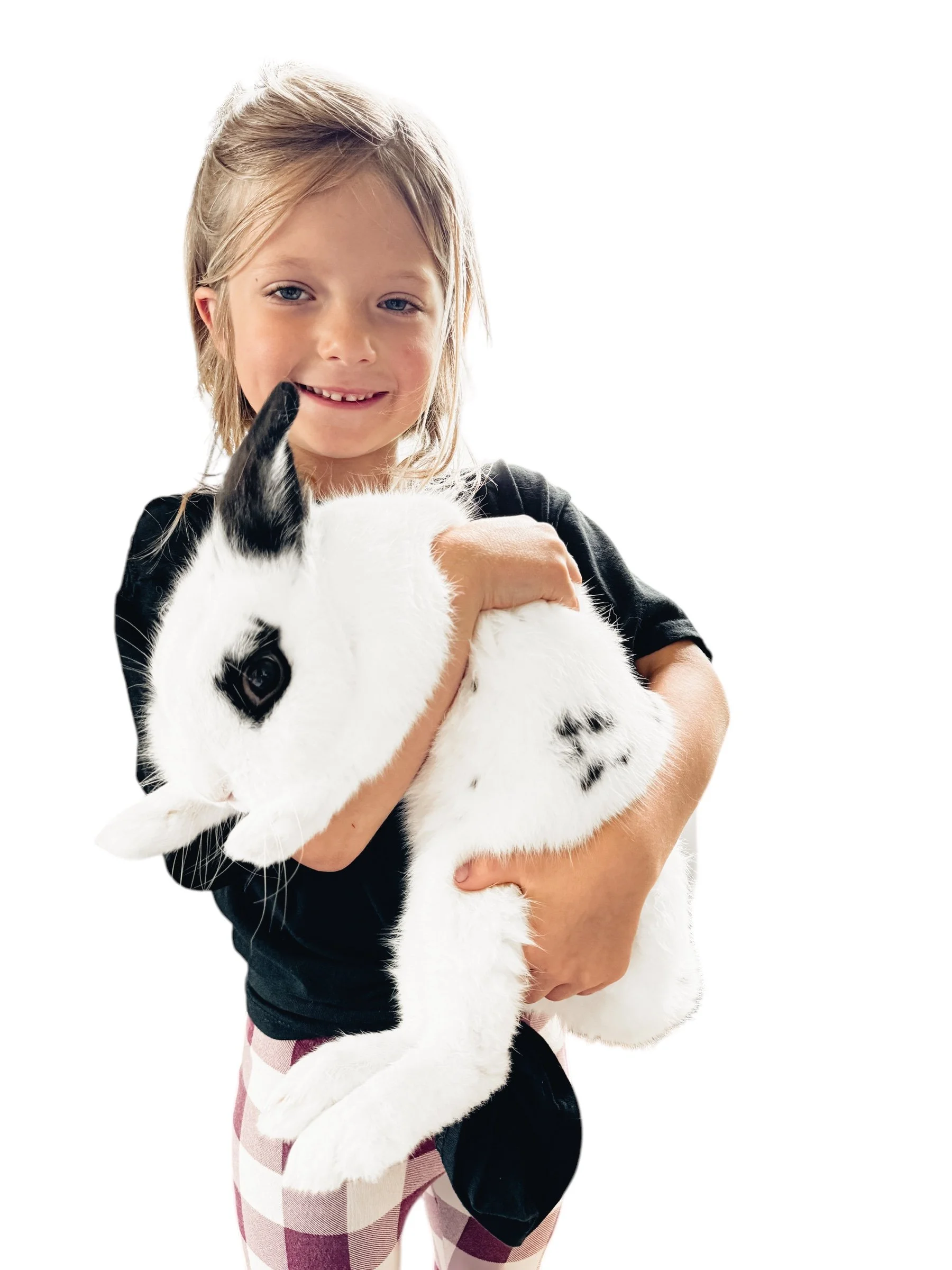
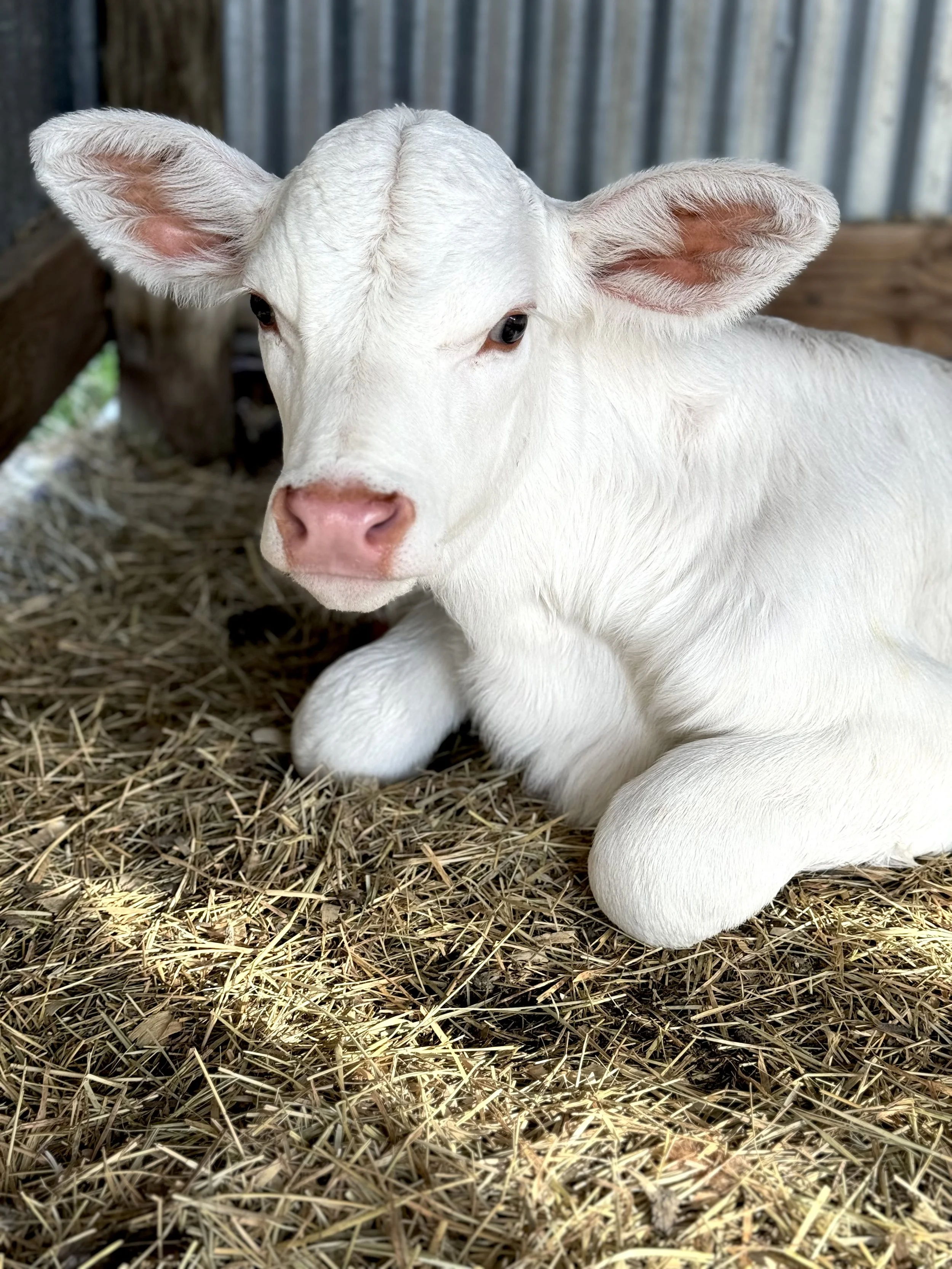
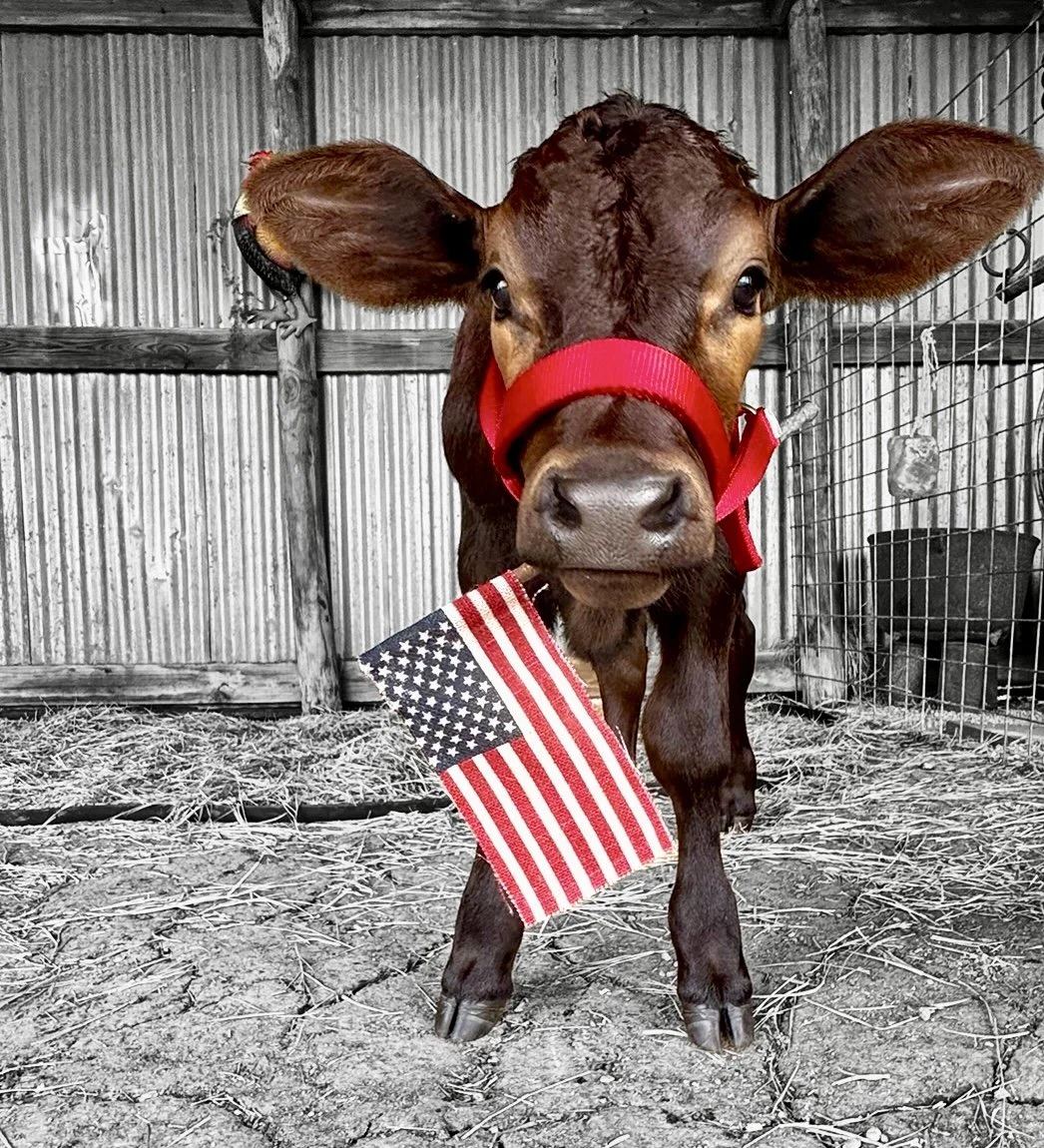
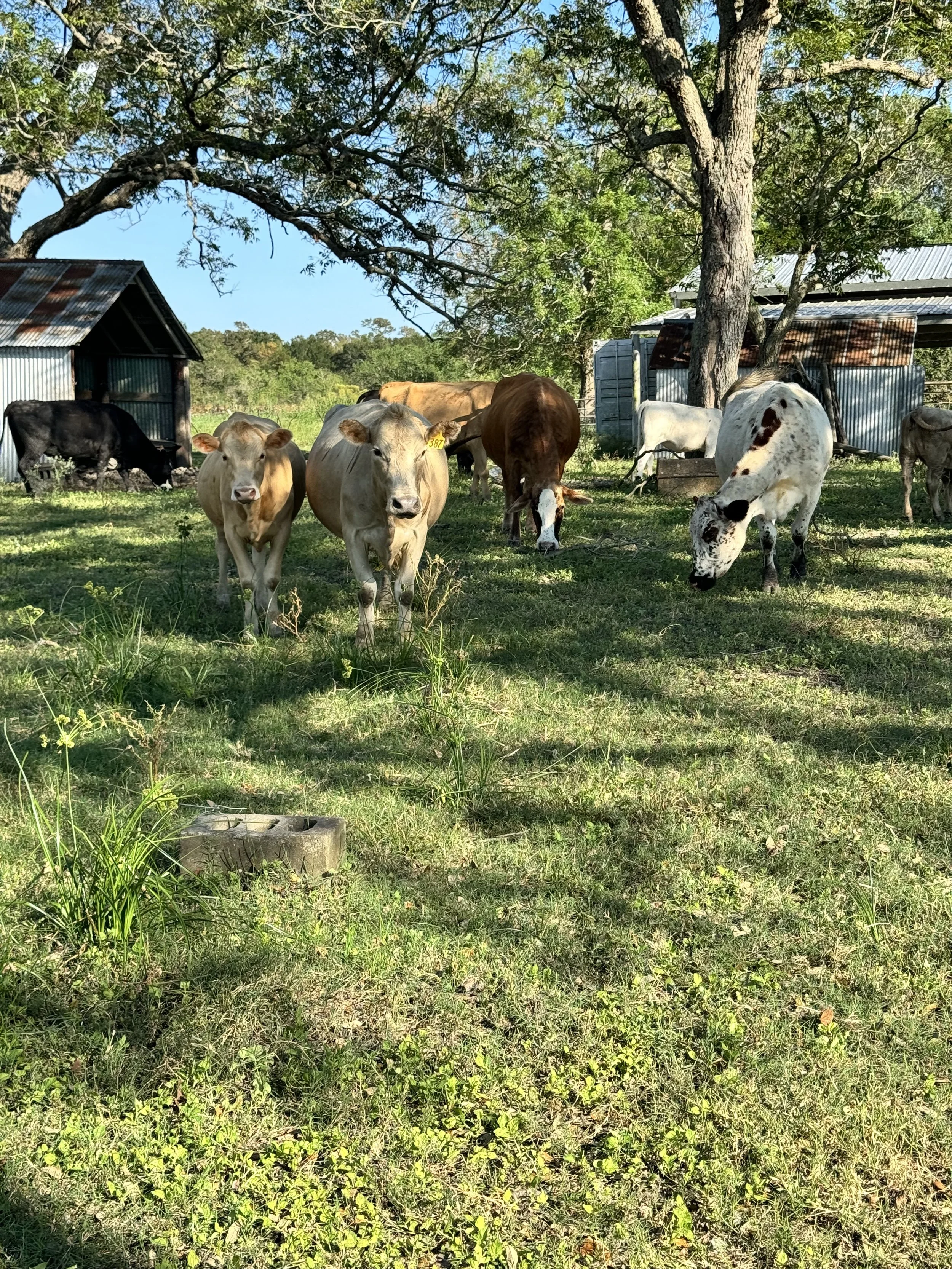
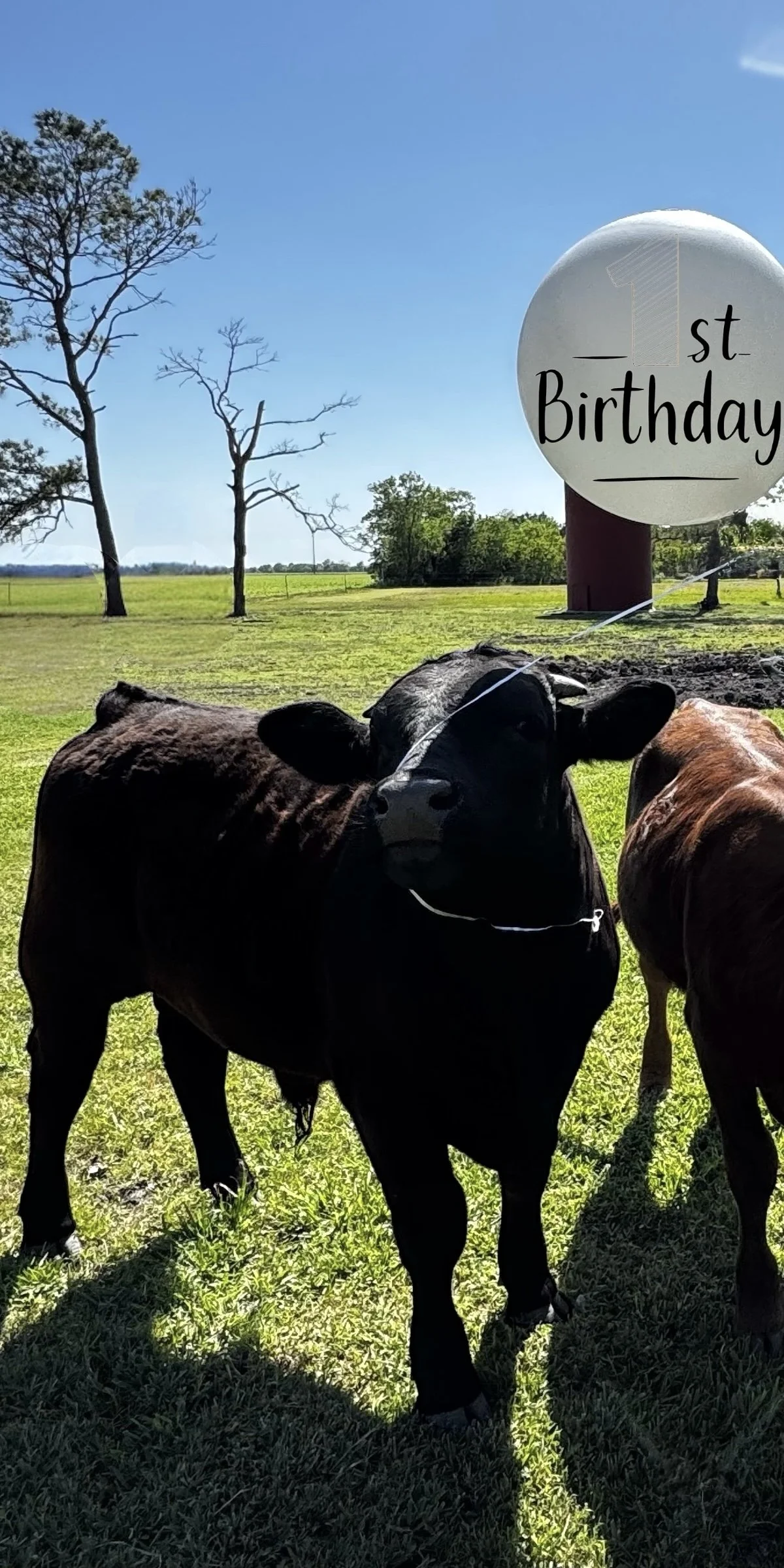
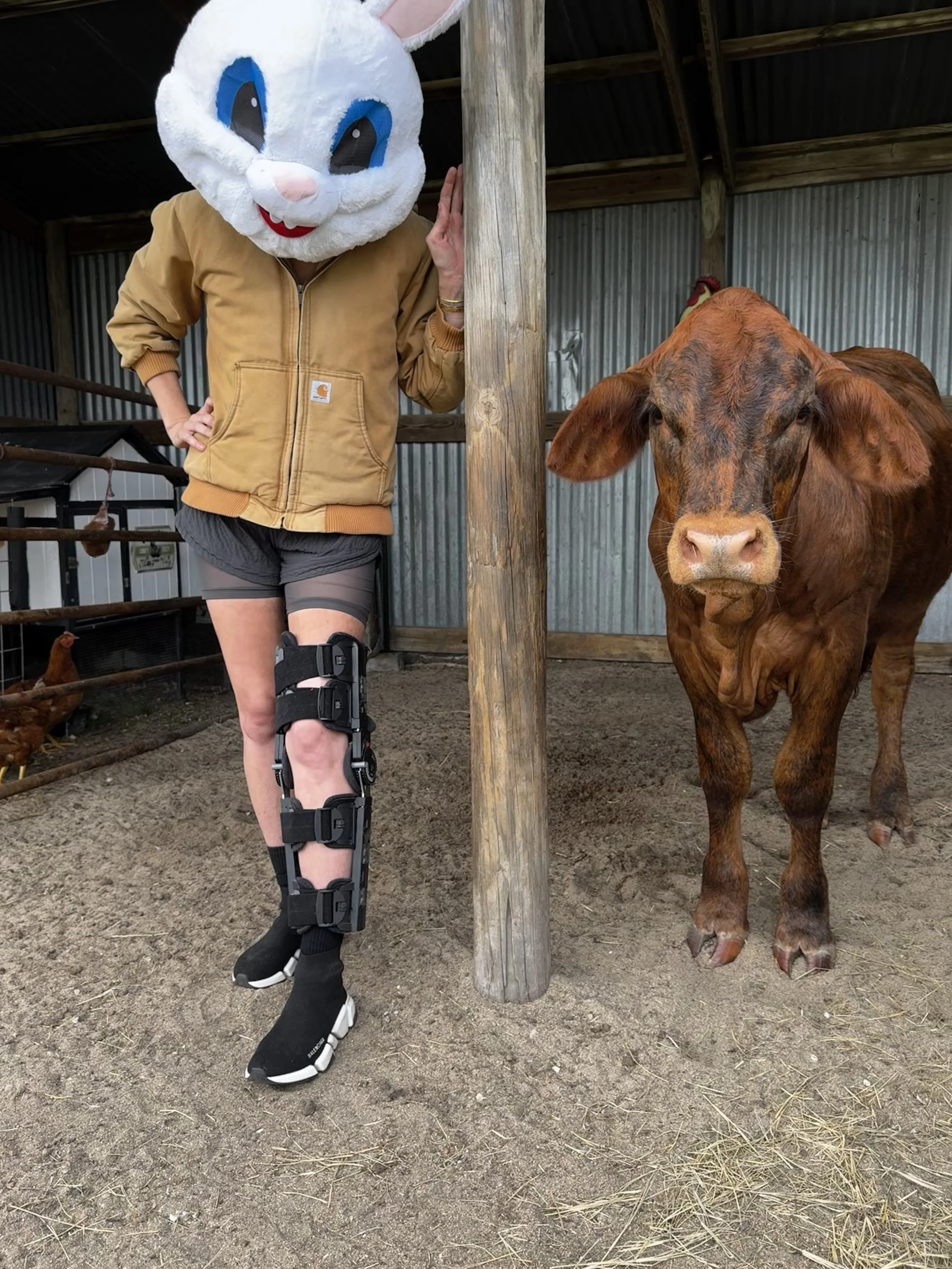
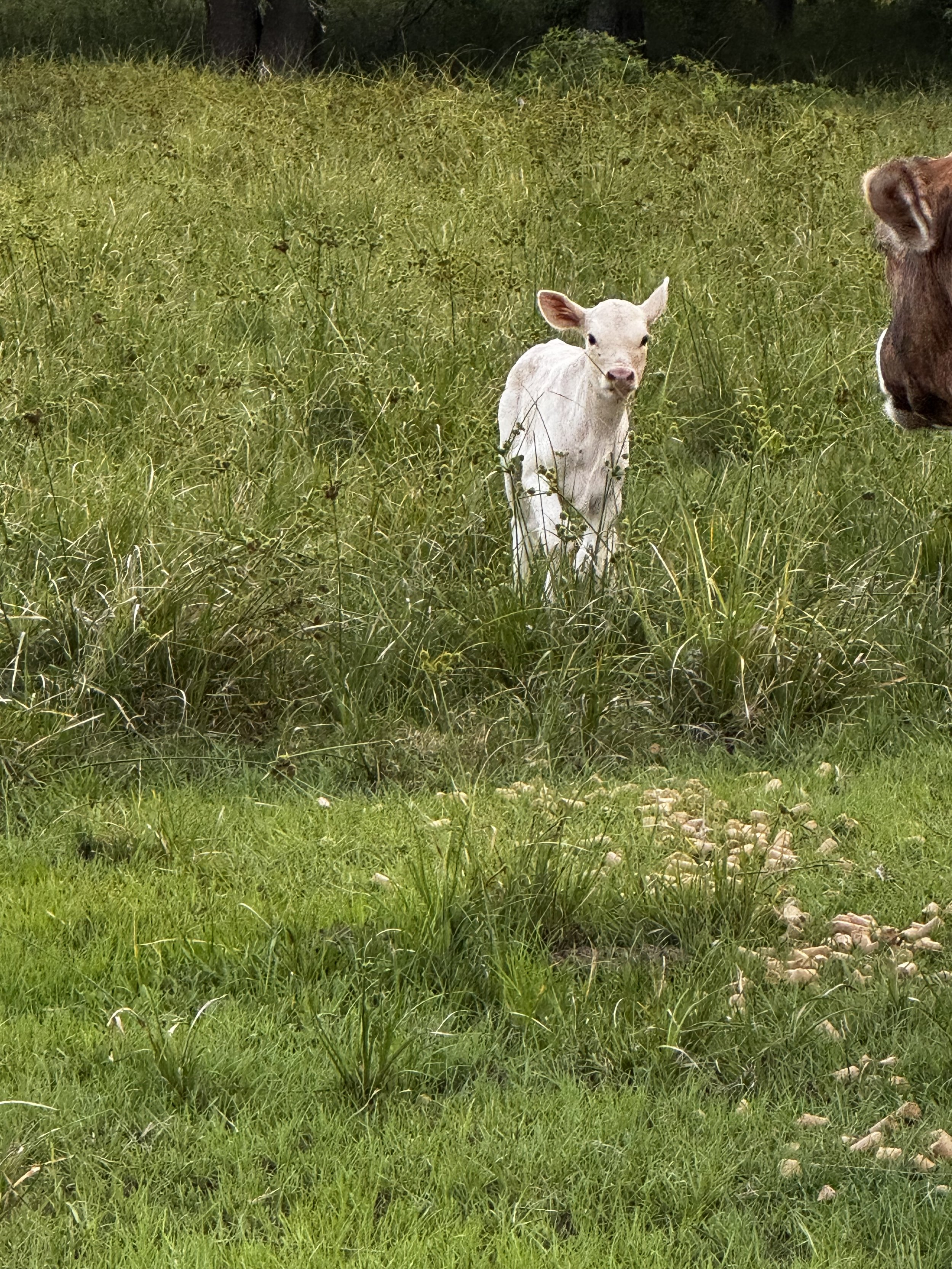
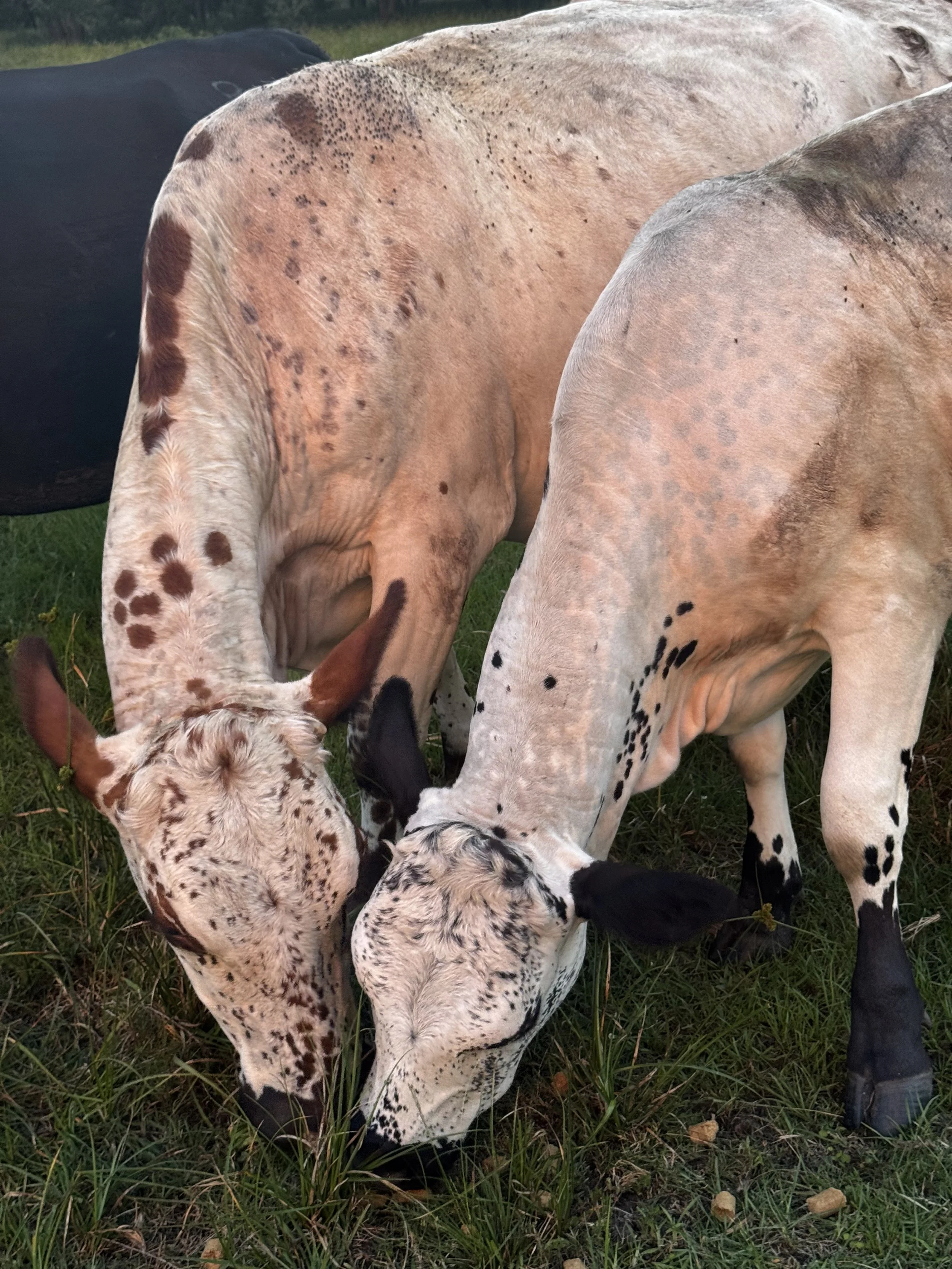

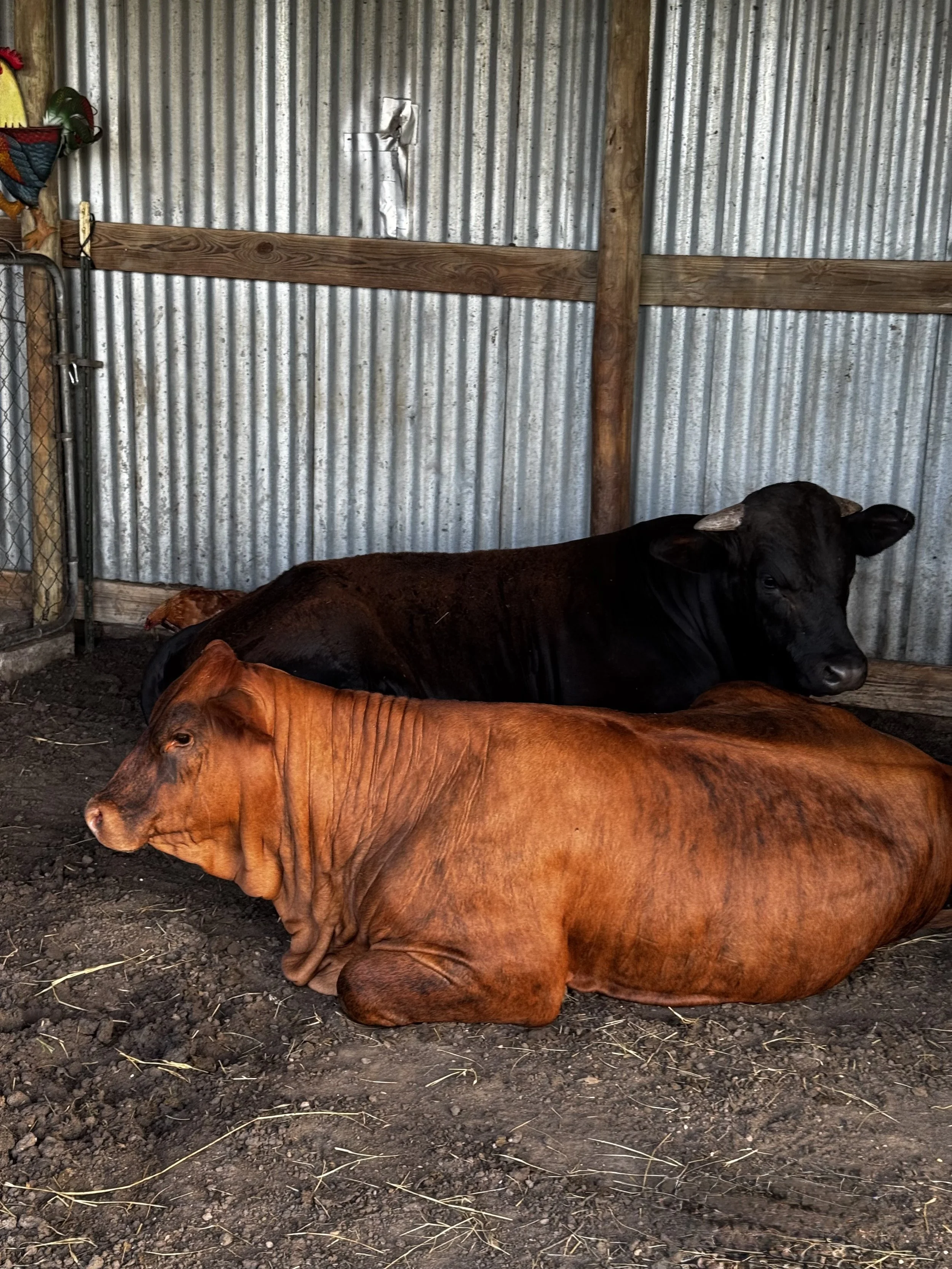
The Cattle
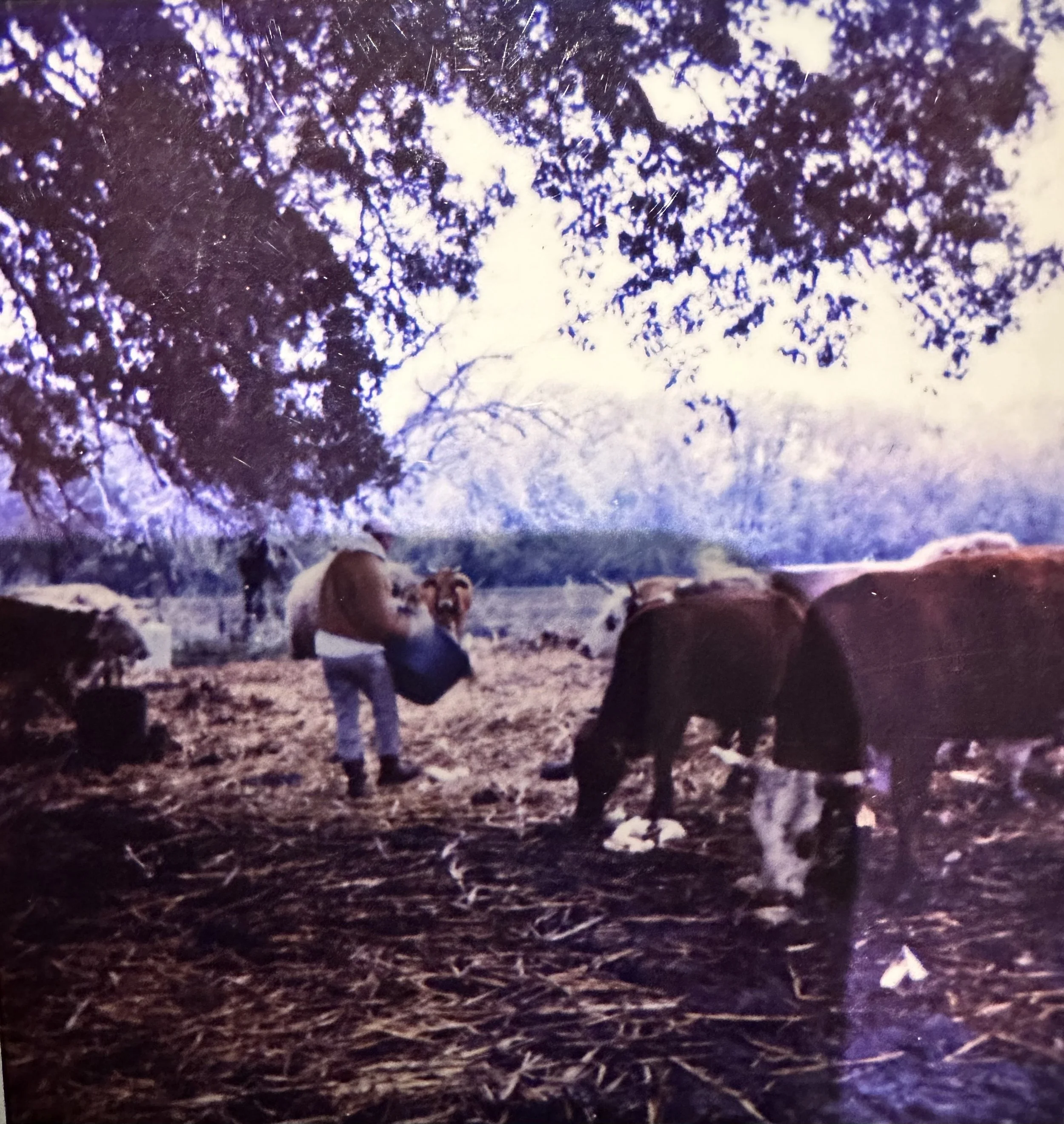
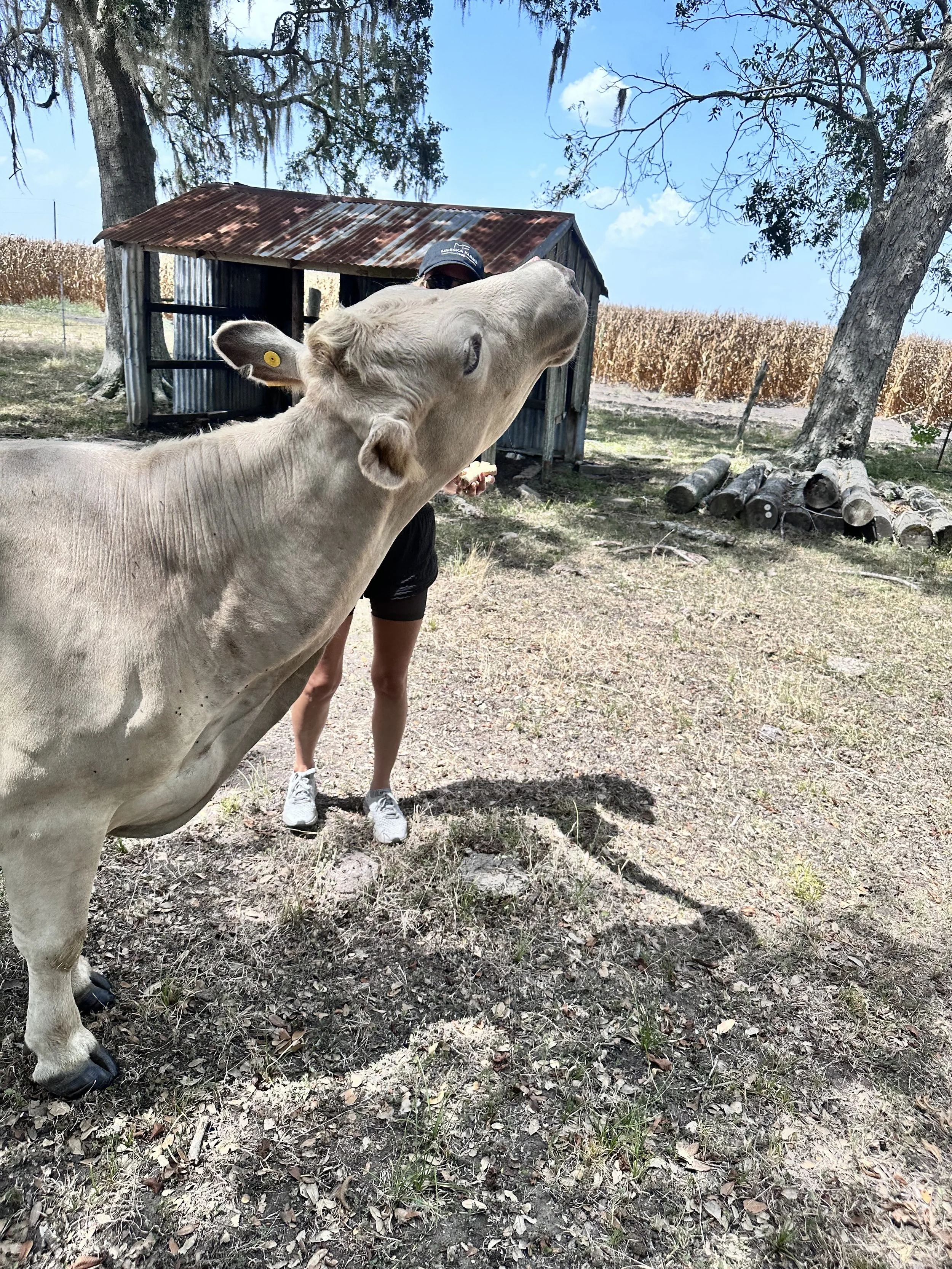
I grew up going to the woods every day to check cows.
It was just part of life. Something you did without thinking much about it at the time.
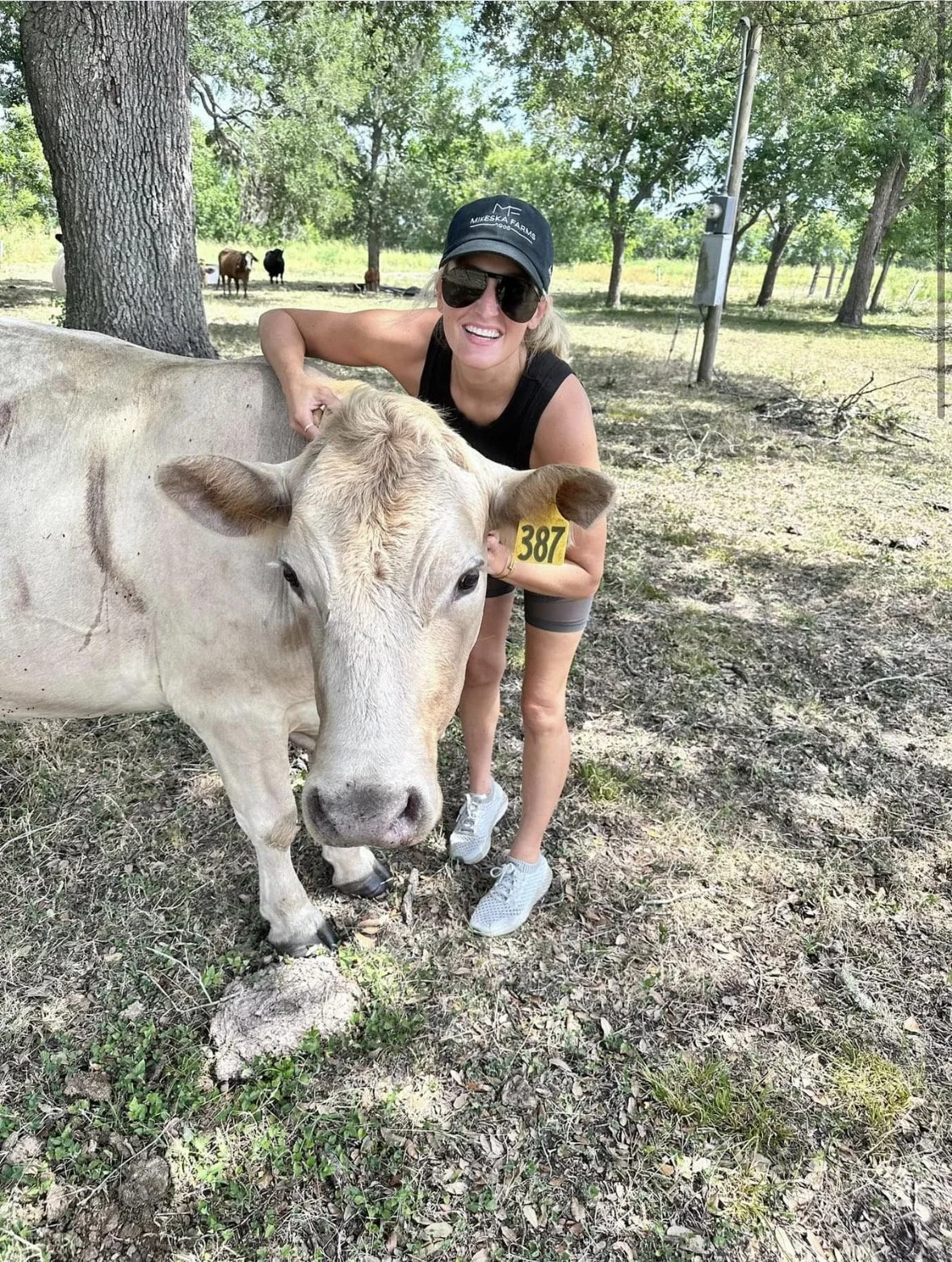
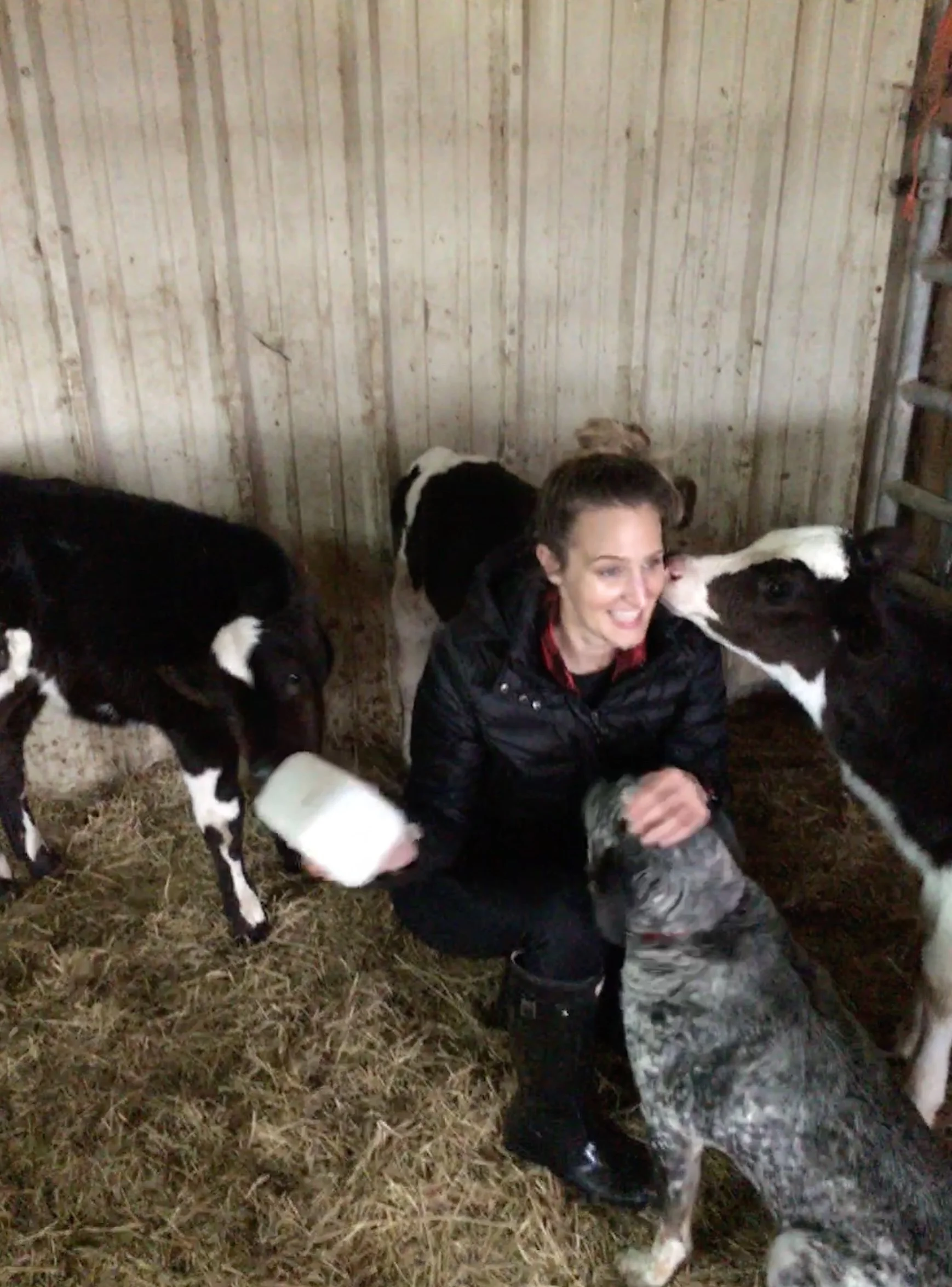
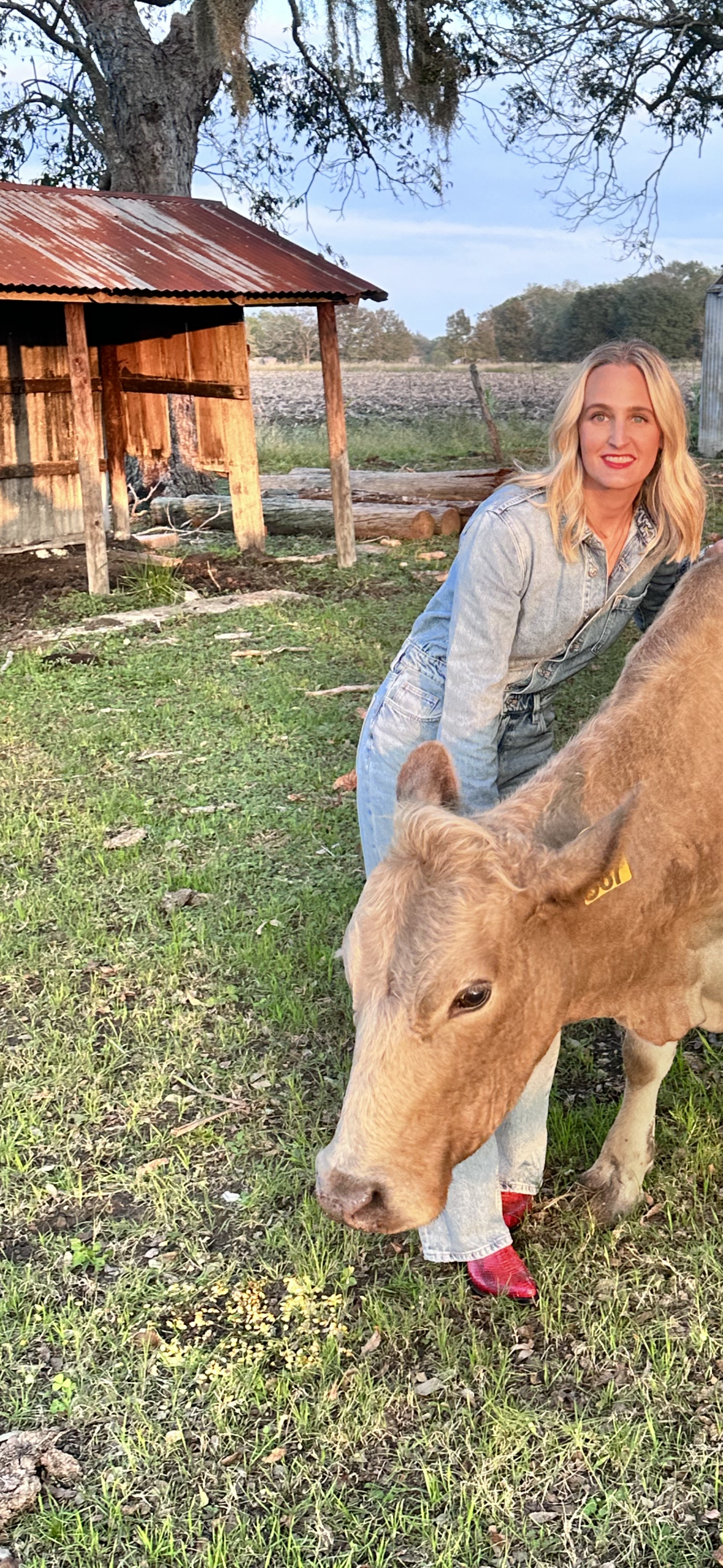
Years later, I am still doing the same thing. Only now, I take in the ones that need a little more too. Thanks to my partner in crime.
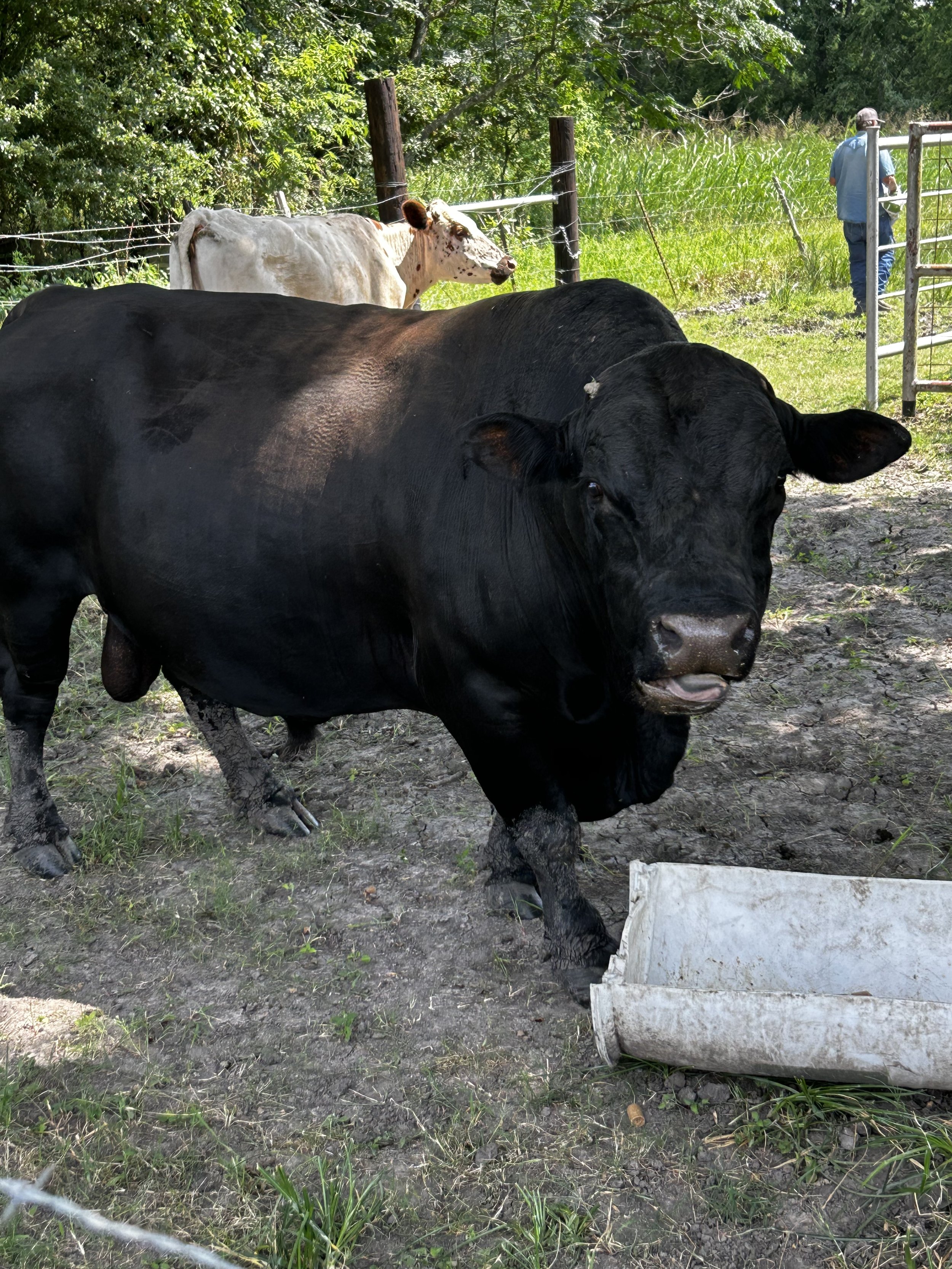
Cattle are not for the faint of heart. There is responsibility in it every day, whether things go right or not.
One thing I will never forget my dad saying is if you are going to have cattle, you can’t get attached.
He was not wrong.
But somewhere along the way, that rule stopped applying.
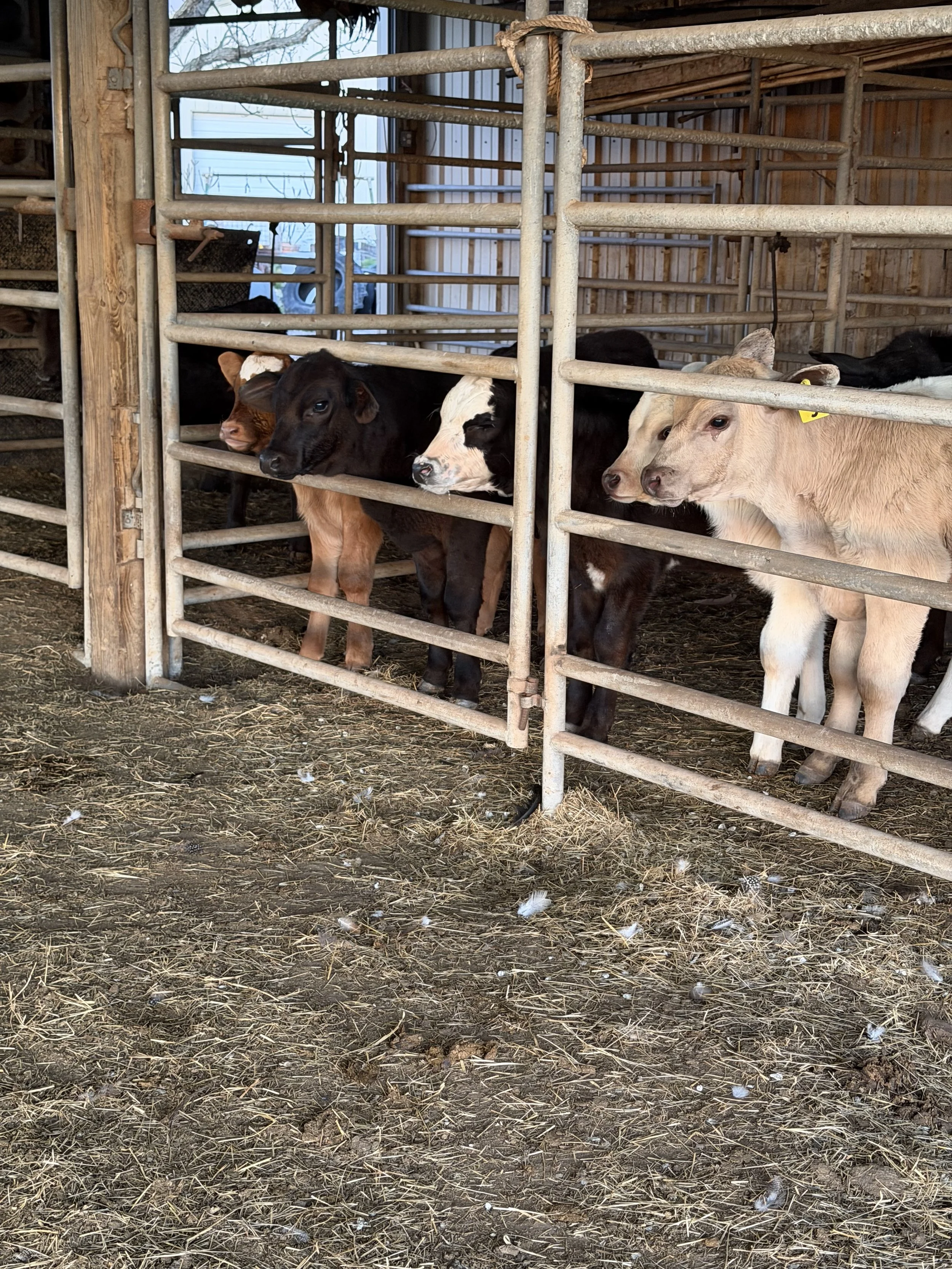
The Orphan Group:
-
A calf needs colostrum within the first few hours of life to build immunity. If they miss that window, they are more vulnerable to sickness.
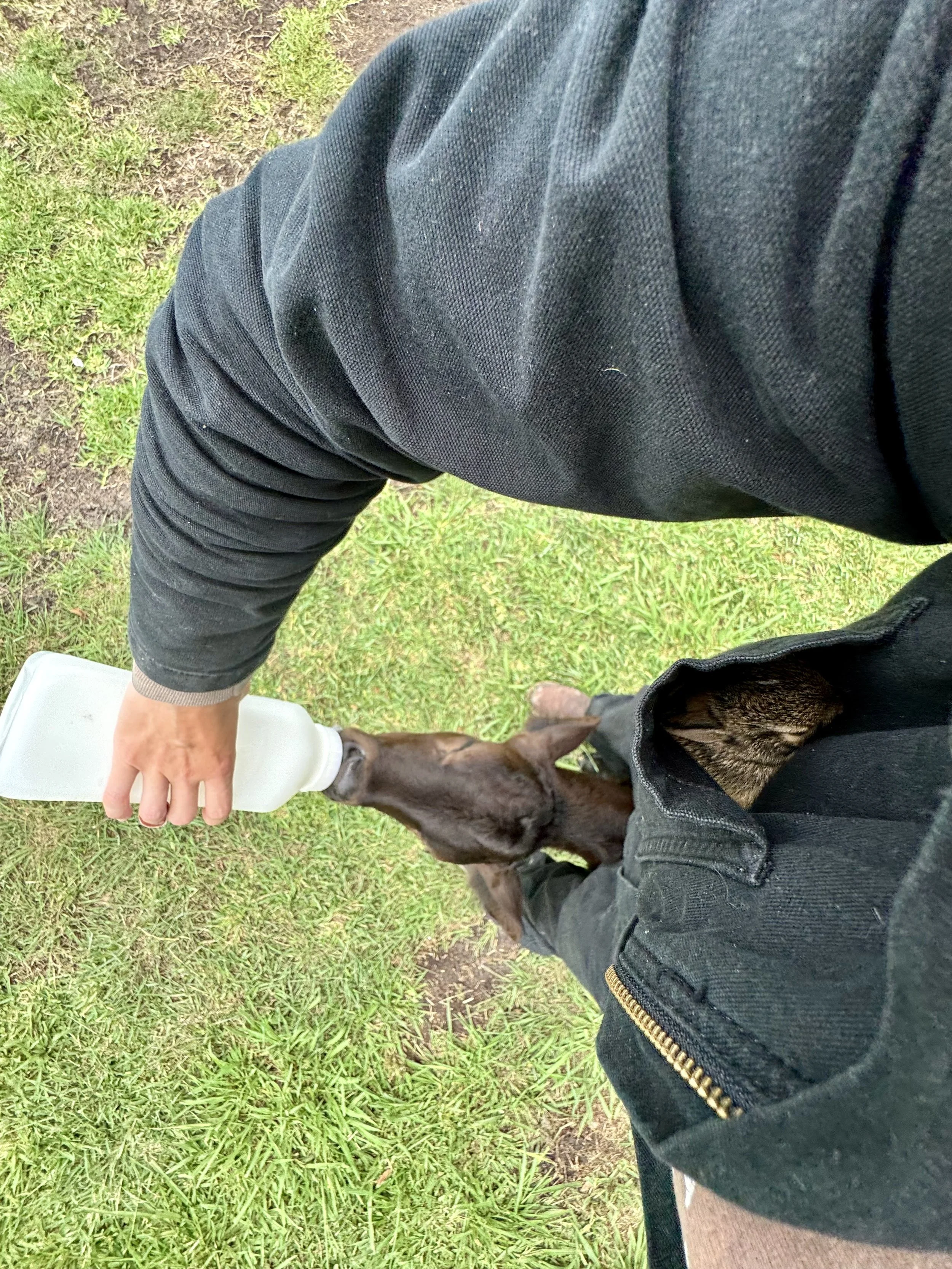
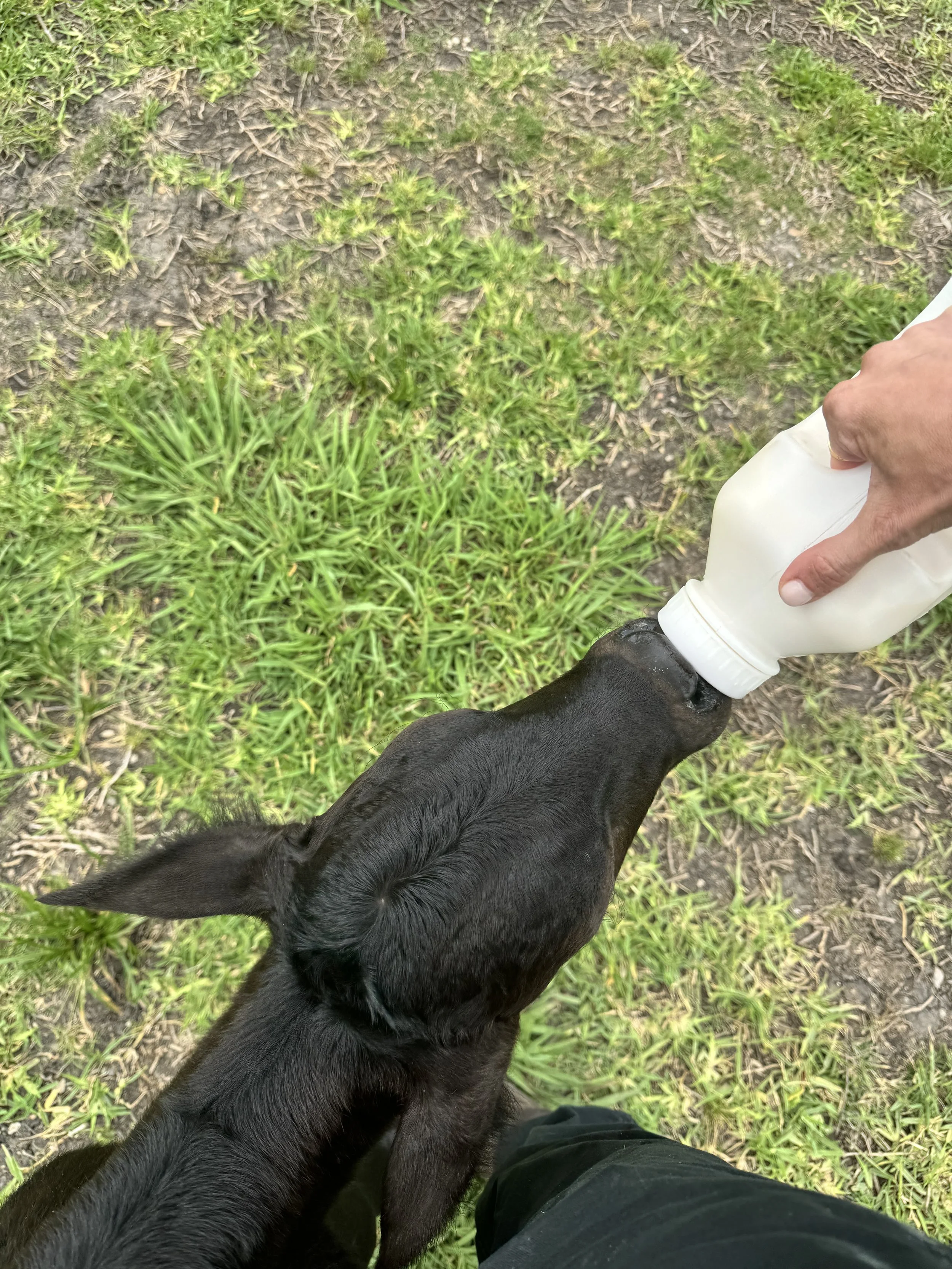
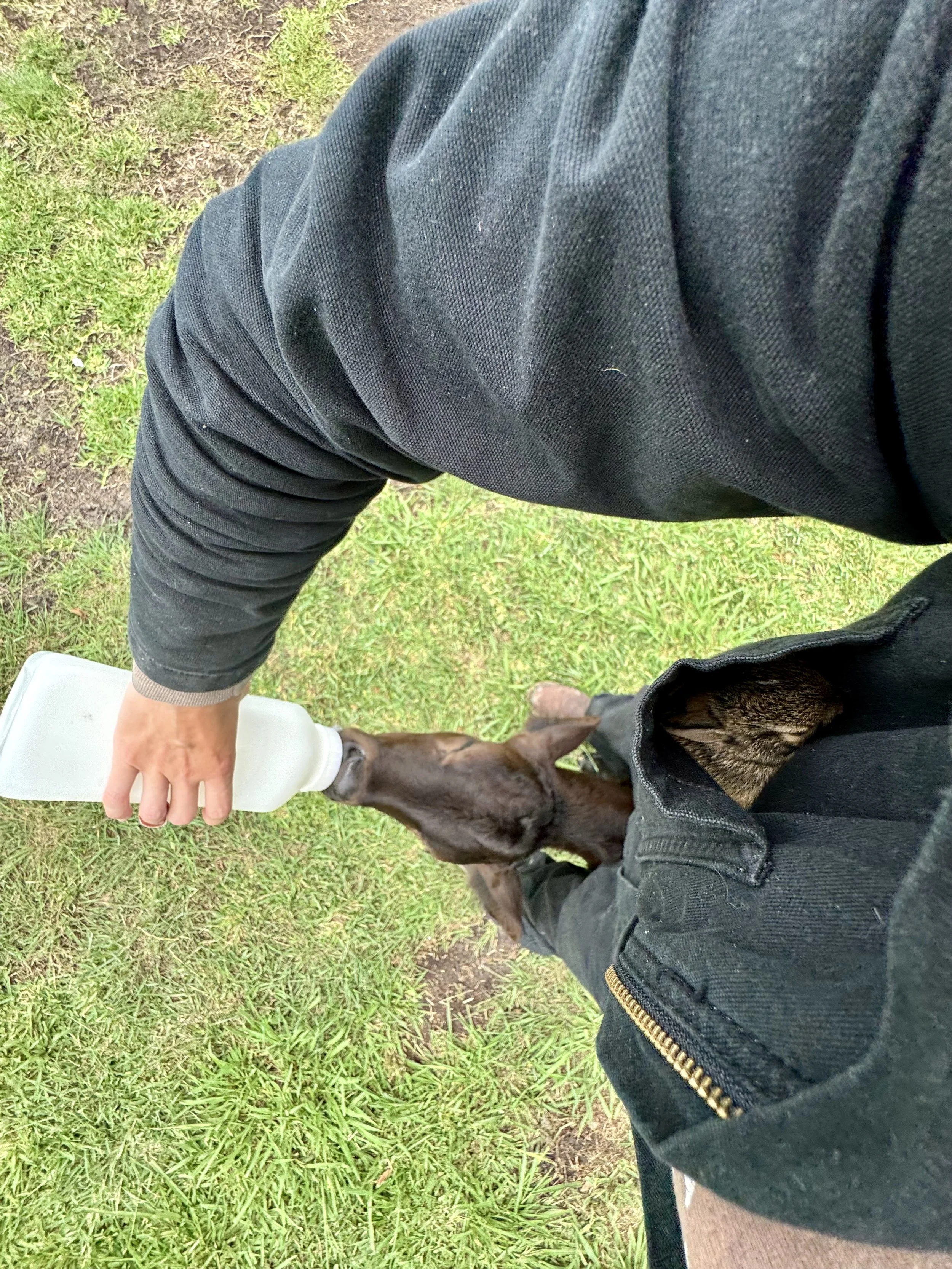
Bottle calves are typically fed 2 to 3 times a day in the beginning, then gradually reduced as they grow.
They can be raised on milk replacer or whole milk, depending on what’s available and cost.
Cleanliness matters more than people think. Dirty bottles or inconsistent feeding is one of the fastest ways to cause scours.
Scours (diarrhea) is the most common issue and can turn serious quickly if dehydration sets in.
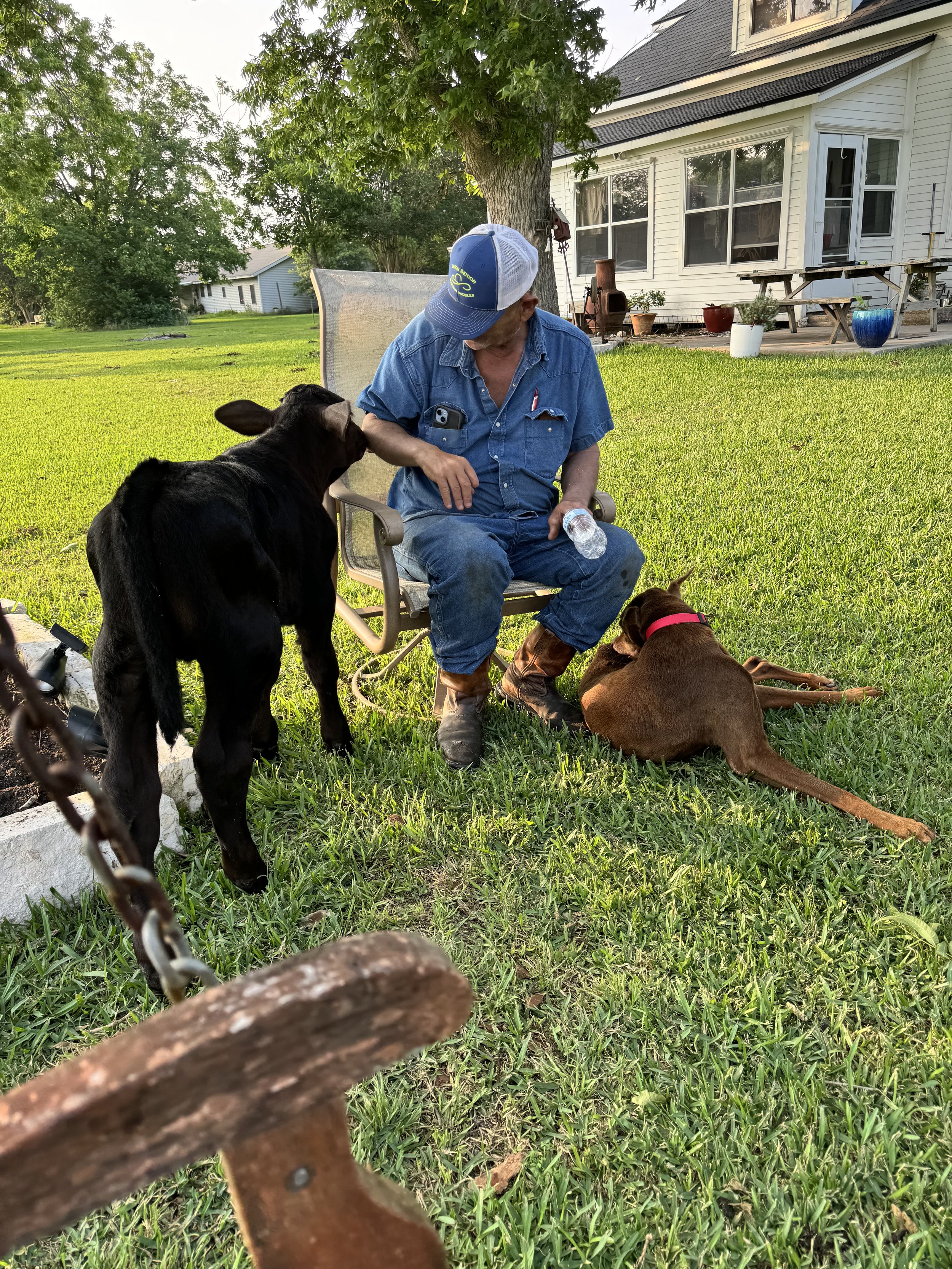
Bottle calves tend to become very human-oriented since they associate people with feeding.
Weaning usually happens around 6 to 8 weeks, once they are eating enough grain and forage.
Routine and consistency are everything. Same time, same amount, same temperature.
-
Jersey cows are known for high butterfat milk, which is rich and ideal for feeding calves.
One Jersey can often support multiple calves at once, not just her own.
They are commonly used as nurse cows, especially for orphan or grafted calves.
Jerseys are typically smaller and easier to manage than larger dairy breeds.
Their milk helps calves gain weight faster compared to some milk replacers.
Some cows will naturally accept other calves, but others need to be trained or “grafted” to take them.
Grafting can involve:
Keeping calves close with the cow in a smaller pen
Rubbing scent from her calf onto the orphan
Time and persistence
Once accepted, nurse cows can reduce labor since calves can self-feed instead of bottle feeding.
-
With bottle calves, how you feed matters just as much as what you feed.
A calf’s stomach is not fully developed at birth. Milk is meant to go directly to the abomasum, the true stomach, where it can be properly digested.
When a calf suckles a bottle, it triggers a natural reflex that closes off part of the stomach and sends the milk to the right place.
If you feed grain, hay, or let them fill up on water before giving a bottle, that reflex does not work the same way.
The milk can end up in the rumen instead, where it is not meant to be digested. When that happens, it can sit, ferment, and lead to issues like bloat, scours, and poor digestion.
That is why milk should be given first, on a consistent schedule, before anything else.
As calves grow, their rumen begins to develop, and they can slowly transition to grain and forage.
But early on, the order matters.
It is a small detail that makes a big difference in how they do.
-
Bottle calves will tell you when something is off, but it’s subtle at first.
Ears down or cold usually means something is wrong before anything obvious shows
Not finishing a bottle is one of the first red flags
Loose manure (scours) can turn serious fast if they get dehydrated
Sunken eyes or dry mouth are signs they’re already behind
Standing off alone or slow to get up means pay attention immediately
Catching it early is everything.
-
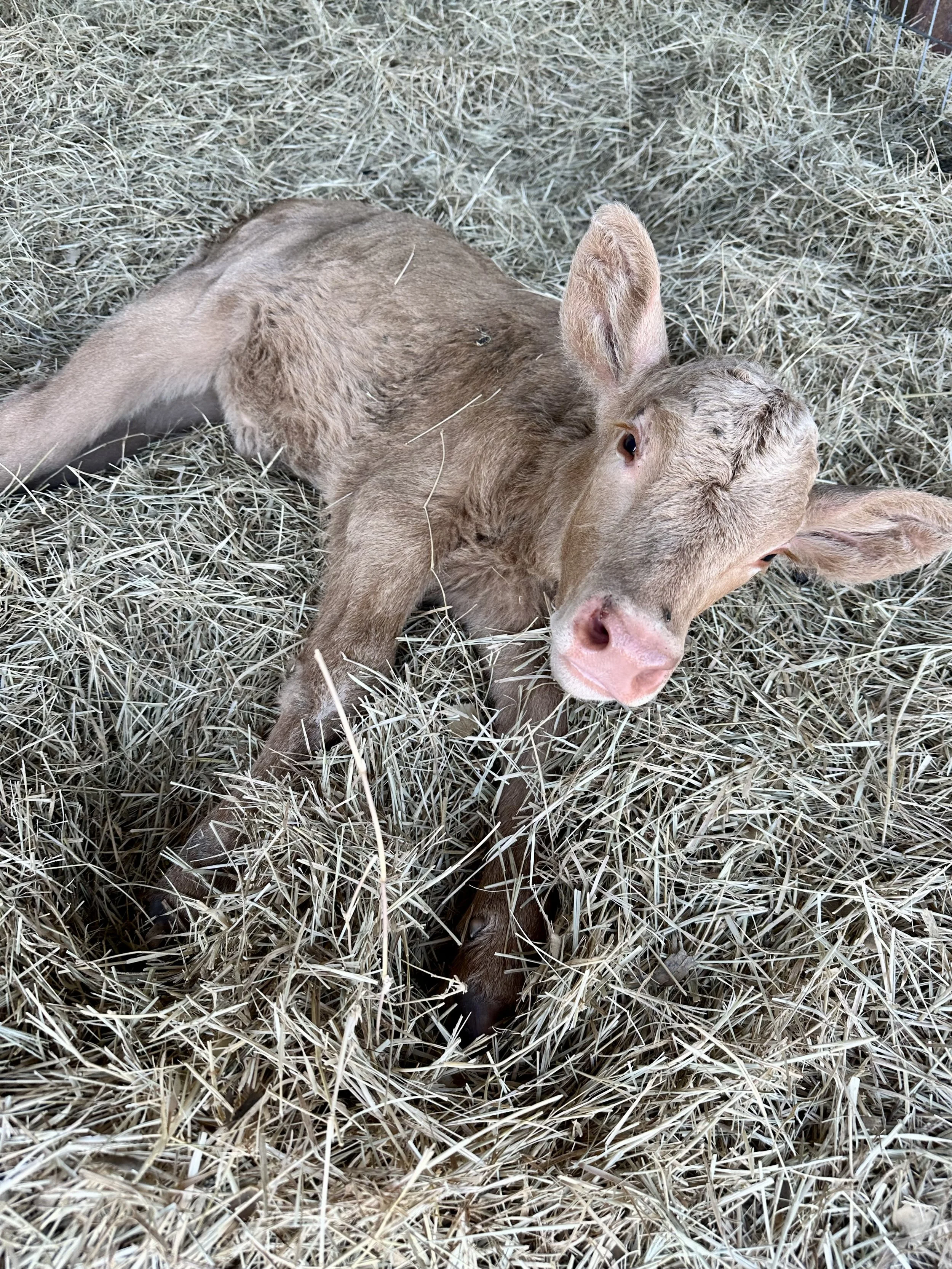
Not all calves come in strong.
Some show up weak, slow, or disoriented. Some cannot see clearly at first. Some are knuckled over and struggle to stand or walk right.
They do not always need intervention right away.
They need time, consistency, and a steady routine.
Weak or “blind” calves will often come around as they gain strength
Knuckled calves can correct as tendons strengthen, especially with movement and good footing
Pushing them too fast usually sets them back
You learn when to step in and when to let them catch up.
-
Consistency Over Everything
The biggest mistake people make is inconsistency.
Same feeding times
Same milk temperature
Same mixing ratios
Clean equipment every time
Bottle calves do better when nothing changes on them.
Environment Matters More Than People Think
Dry bedding is not optional
Wind protection matters, especially for weak calves
Mud creates problems fast
A calf fighting the environment will not thrive, no matter how well you feed it.
Most of it comes down to paying attention early and not rushing what just needs time.
-
Not all of them will make it.
You give them a chance they would not have had otherwise, but that does not guarantee the outcome.
Colostrum is everything in the beginning. If they do not get it early, they can be behind in ways you cannot always see. Some will seem fine for a while, then go downhill quickly. Issues can show up later, even when they were doing well.
It is part of raising them.
You do the work. You stay consistent. You pay attention.
And sometimes, it still is not enough.
That part does not get easier, but it comes with it.
-
Things to have on hand:
(Almost all of this can be found at your local feed store, or Tractor Supply).
Colostrum
Milk Replacer
Electrolytes - Kickstart
Bottles and nipples
Fresh bedding (keep dry)
Fly spray
Storage containers to keep powder/starter feed dry is using big bag
Notebook - keep daily notes
Banamine
NForce3
Your Questions, Answered
Bottle calves start with more hands on work, but if you do it right, they transition back into the herd like any other.