COTTON
COTTON IS MORE THAN A FABRIC. IT’S PART OF OUR STORY.
M I K E S K A F A R M S
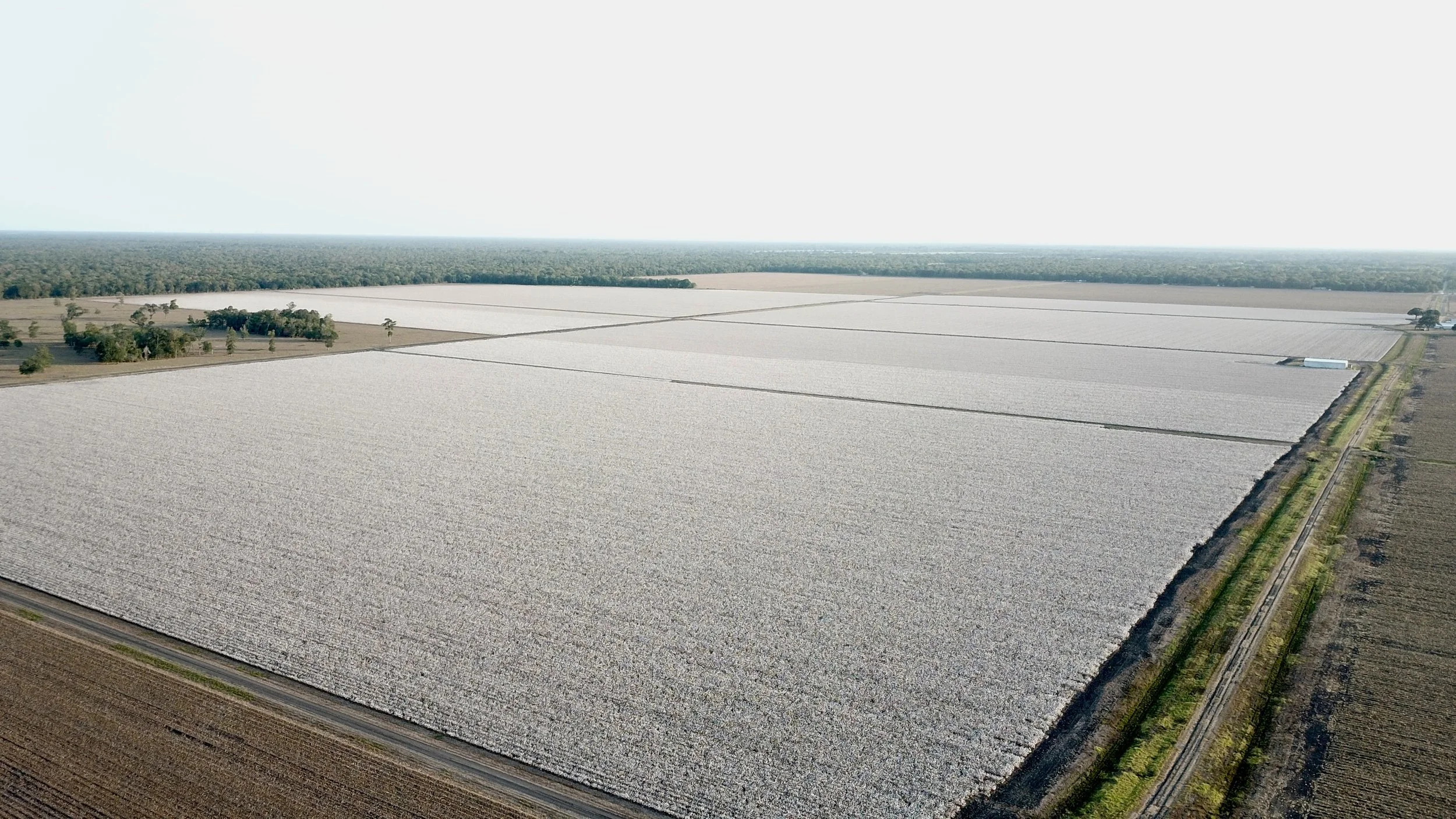
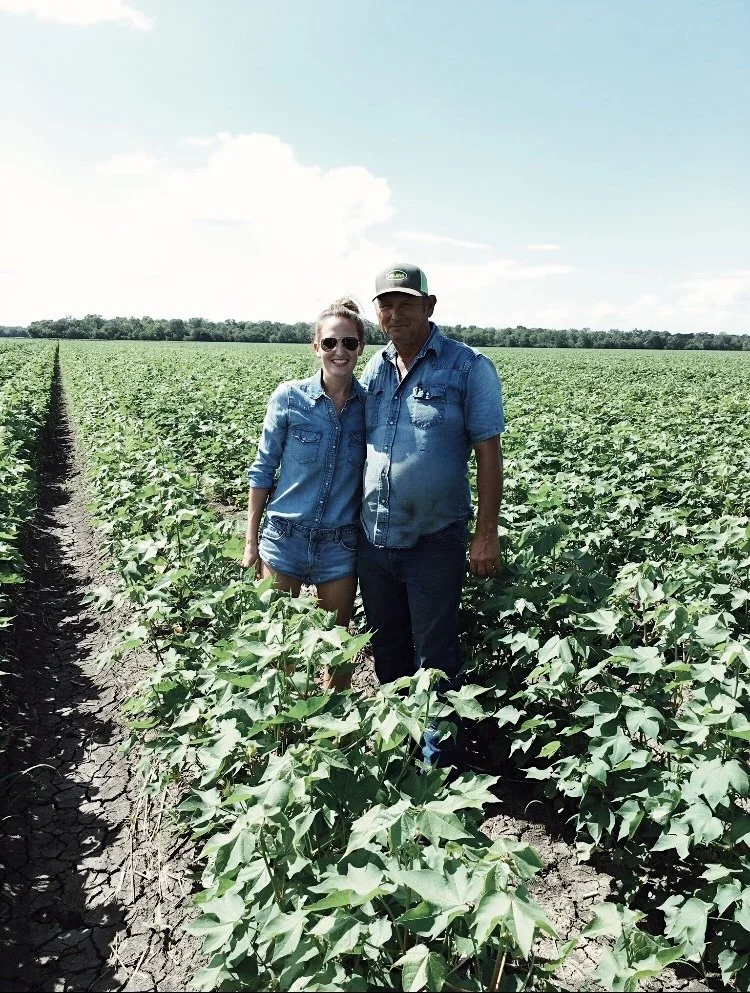


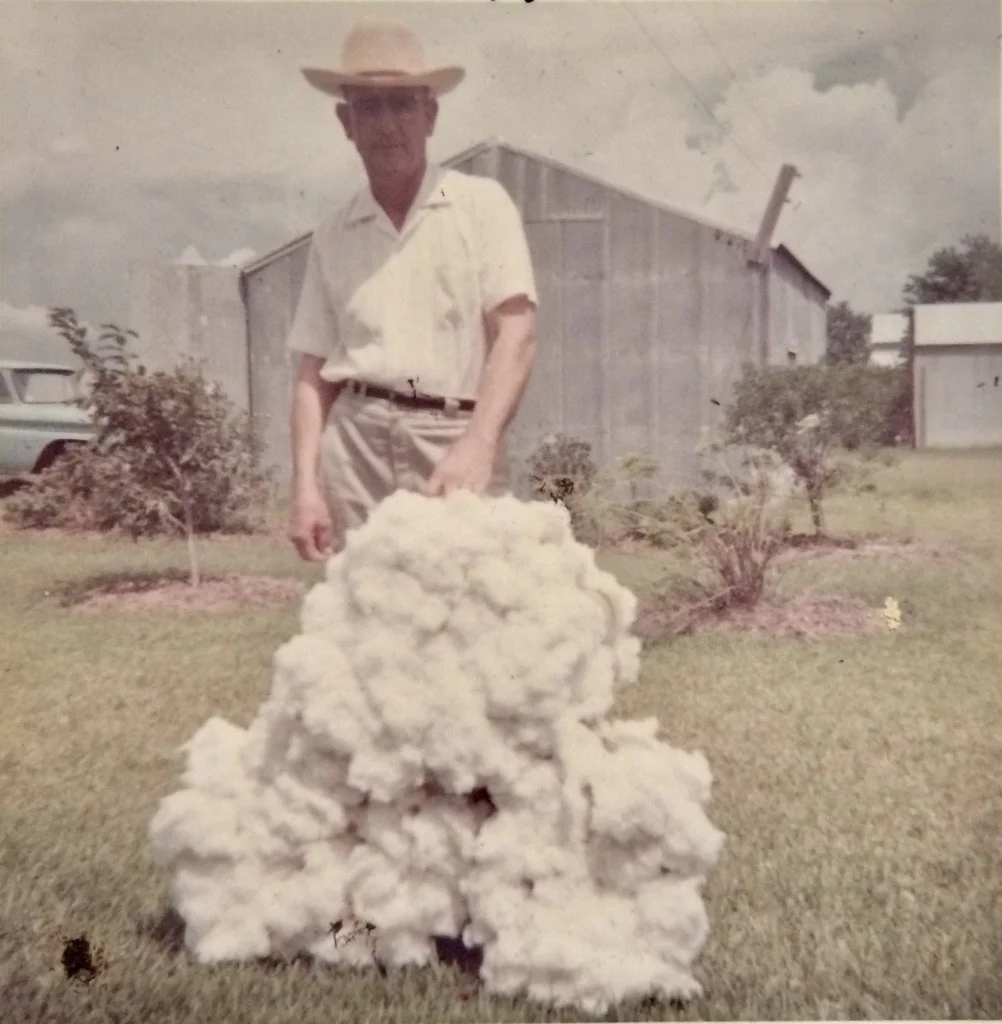
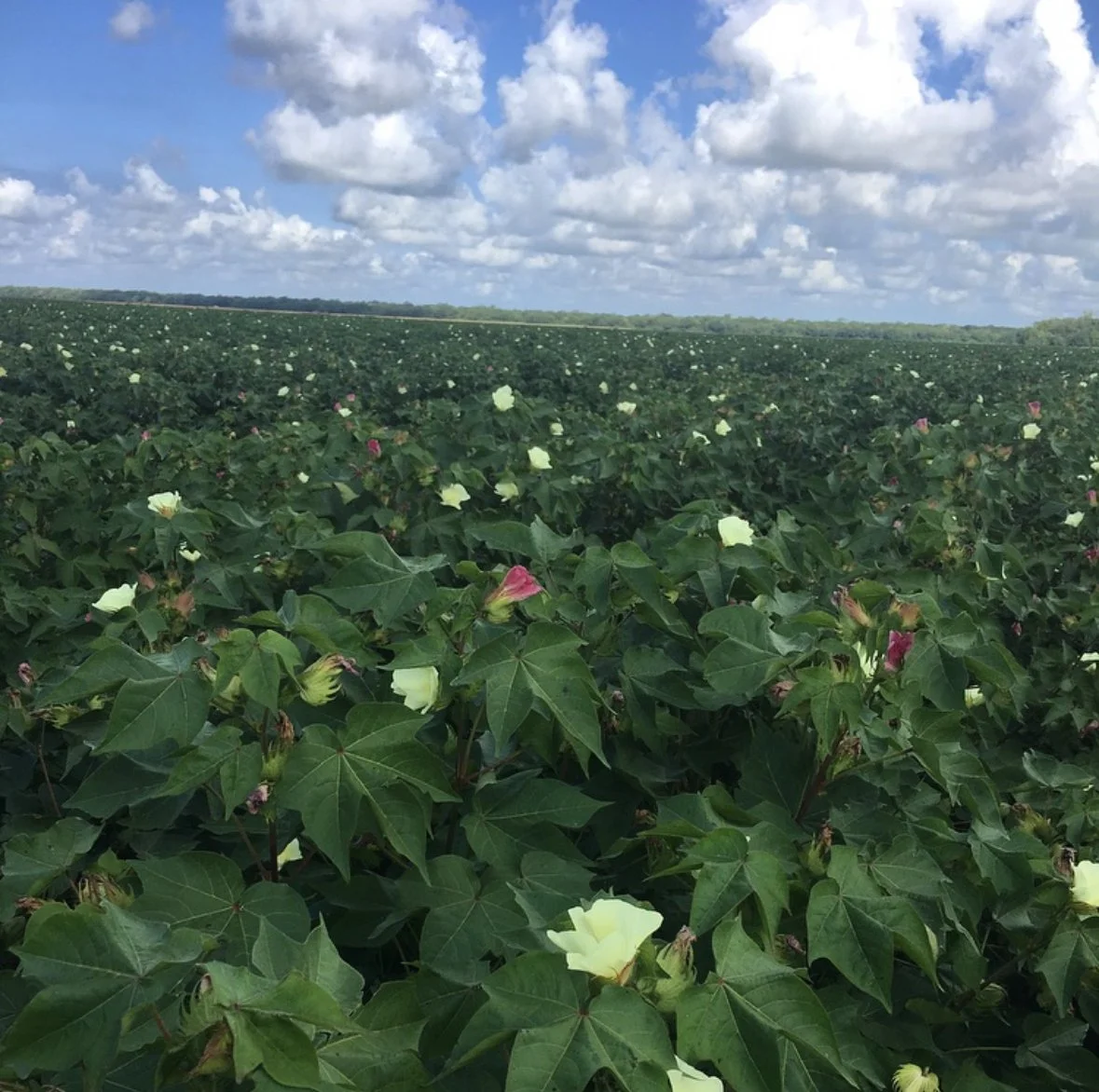
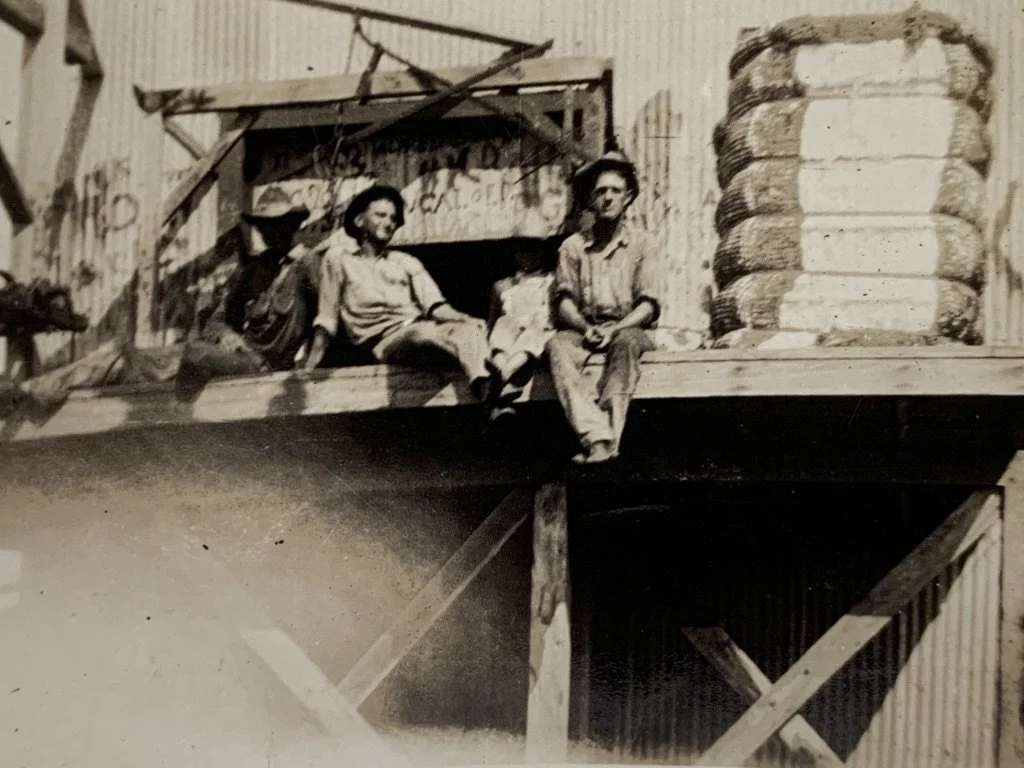
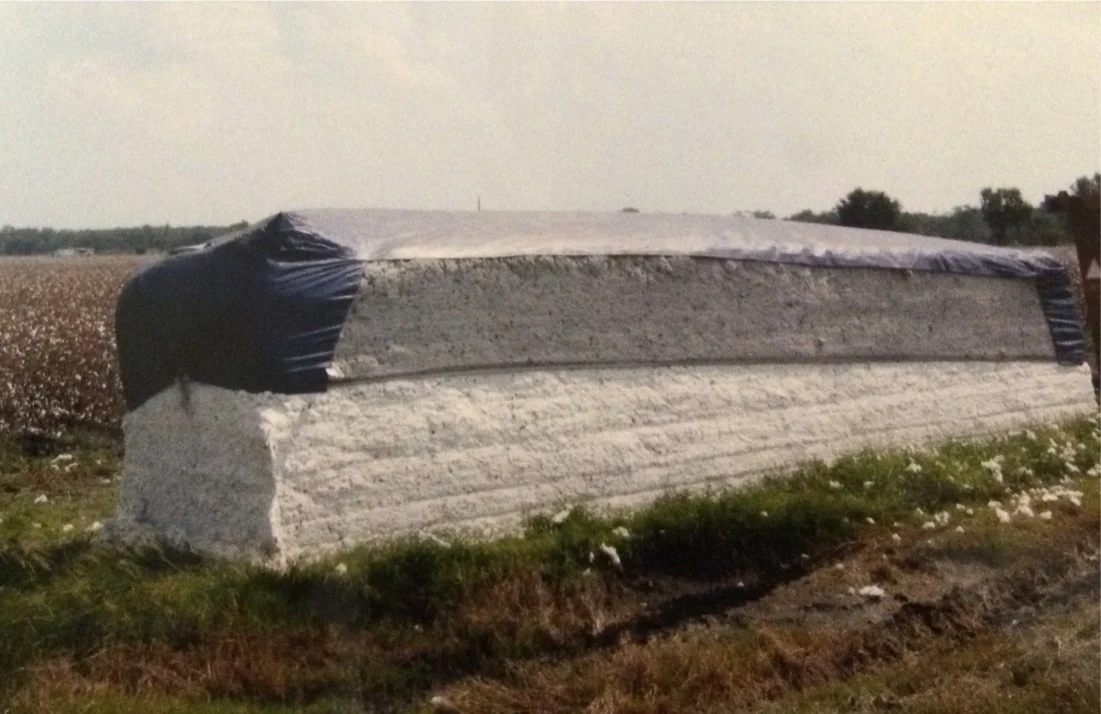
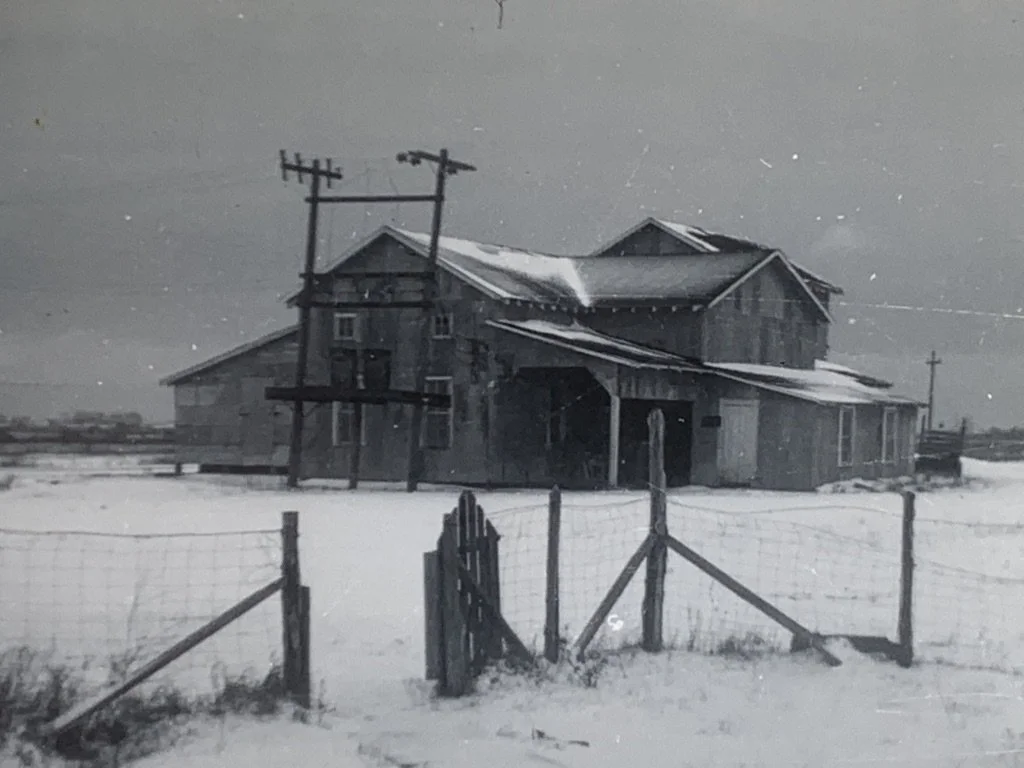



Cotton Harvest: Then & Now
Five generations in the cotton fields.
-
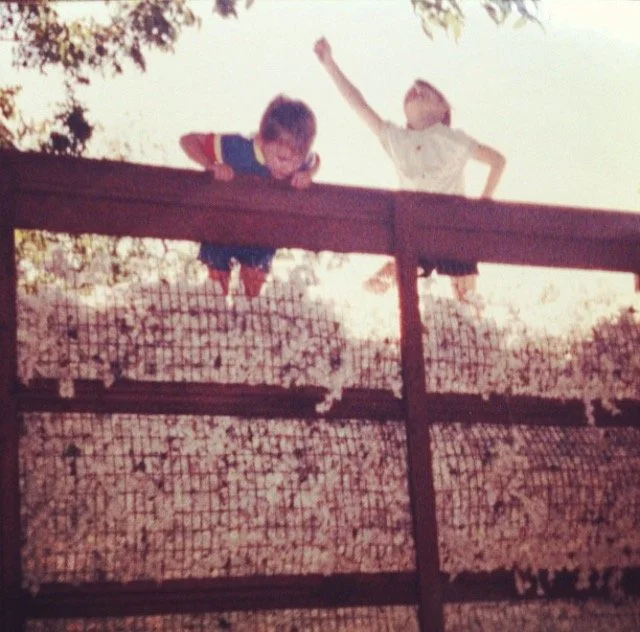
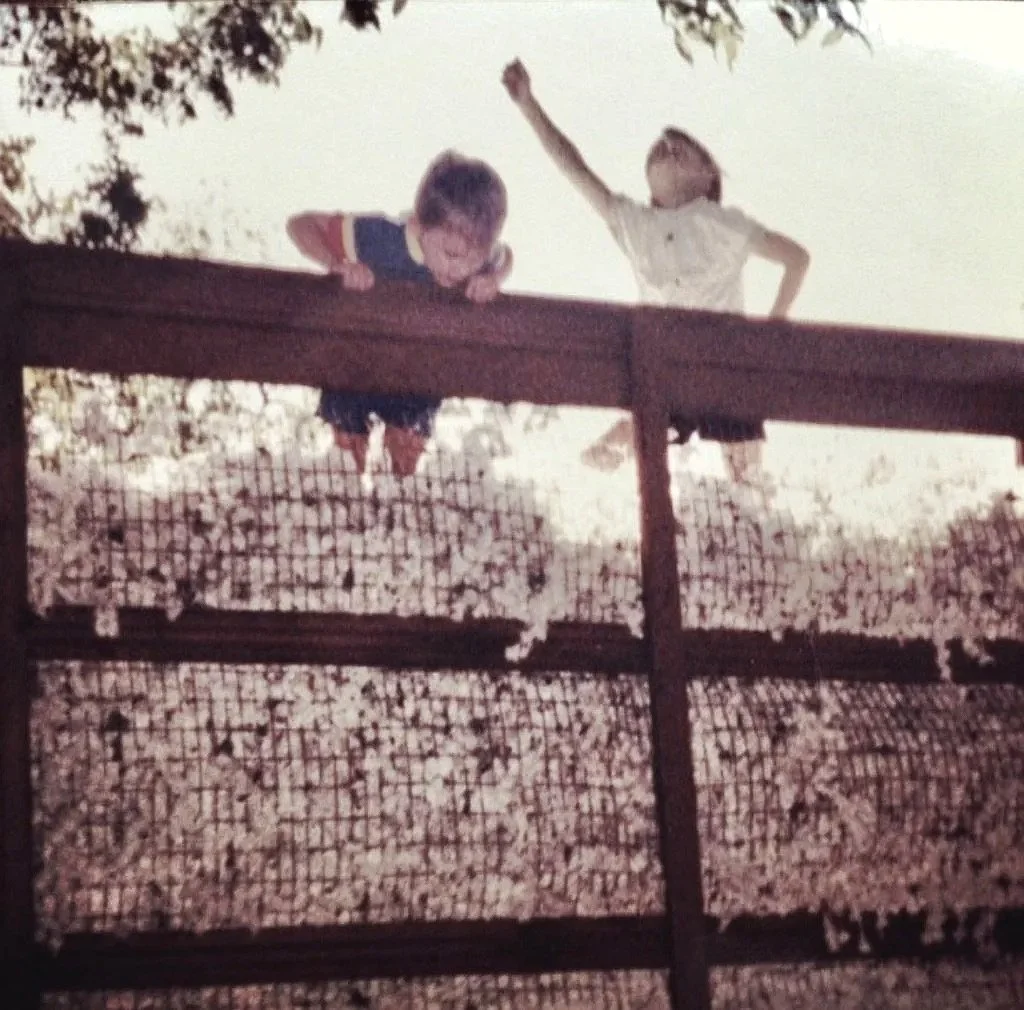
When we were kids, my brother and I would stomp the trailers full of cotton with our feet, eager for the upcoming ride in it to the cotton gin. It was a simple joy that filled our days with excitement and anticipation.
Fun note -Every summer, without fail, my brother and I were equipped with new chopping hoes. We would arrive at the field, armed with our water jugs and hoes, ready to embark on a day of weed-ridden challenges. As we ventured through the fields, our hoes in hand, we diligently chopped away at the relentless weeds standing in our way. However, In true brother-and-sister fashion, our competitive spirits and sibling rivalry would occasionally bubble to the surface, resulting in petty arguments over territorial chopping rights. Leading to us being separated further apart, to focus on our own section of field. Despite our occasional squabbles, there was an unspoken bond forged in those sweltering summer days. Looking back, those moments of bickering over who chops what now serve as fond memories of our childhood summers spent diligently tending to the land, one weed at a time.
-
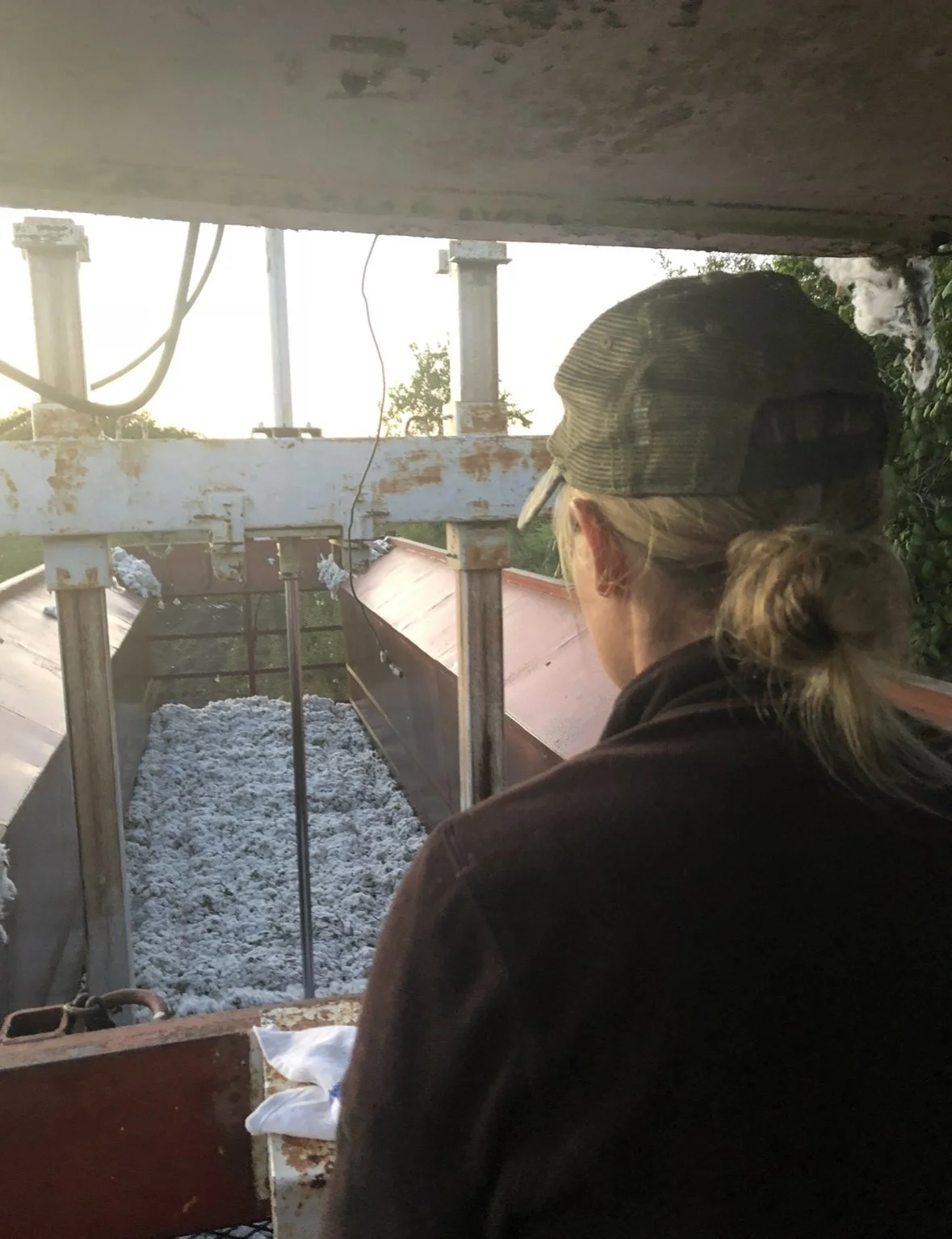
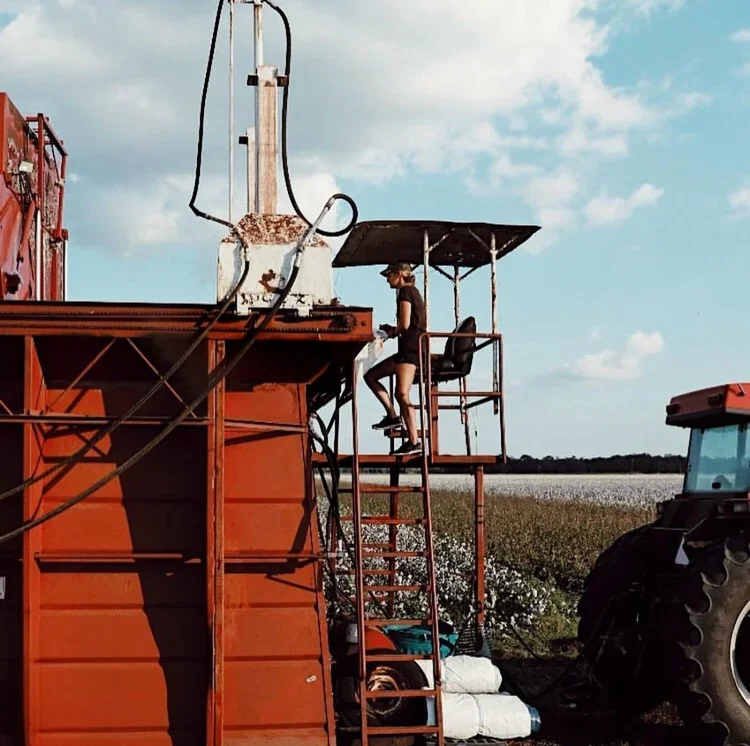
Next came the module builder, a personal favorite until this day. After each round of the picker emptying its basket, the stomper came into play to pack everything down. Once packed to the top, rolling out a tarp over it was the next step, followed by lifting the back gate. If there was an extra hand available, they would perch on the back of the module builder while you maneuvered the tractor away from the module, simultaneously tarping it. The thrill of diving into the cotton was undeniably the highlight of the process. However, the task of collecting the loose cotton scattered on the ground and placing it back into the builder posed a less enjoyable challenge. This stray cotton often spilled out of the side of the picker basket, adding to the complexity of the operation. For a visual representation of this intricate dance on the farm, envision the workflow detailed below.
During the post-cotton harvest period, there arose the tedious task of manually removing cotton stalks from the fields to avoid incurring substantial fines. Yes, walking the fields and pulling them by hand. This obligation often proved to be a burdensome and unenjoyable experience for those of us nvolved, given the labor-intensive nature of the task…NOT FUN!
-
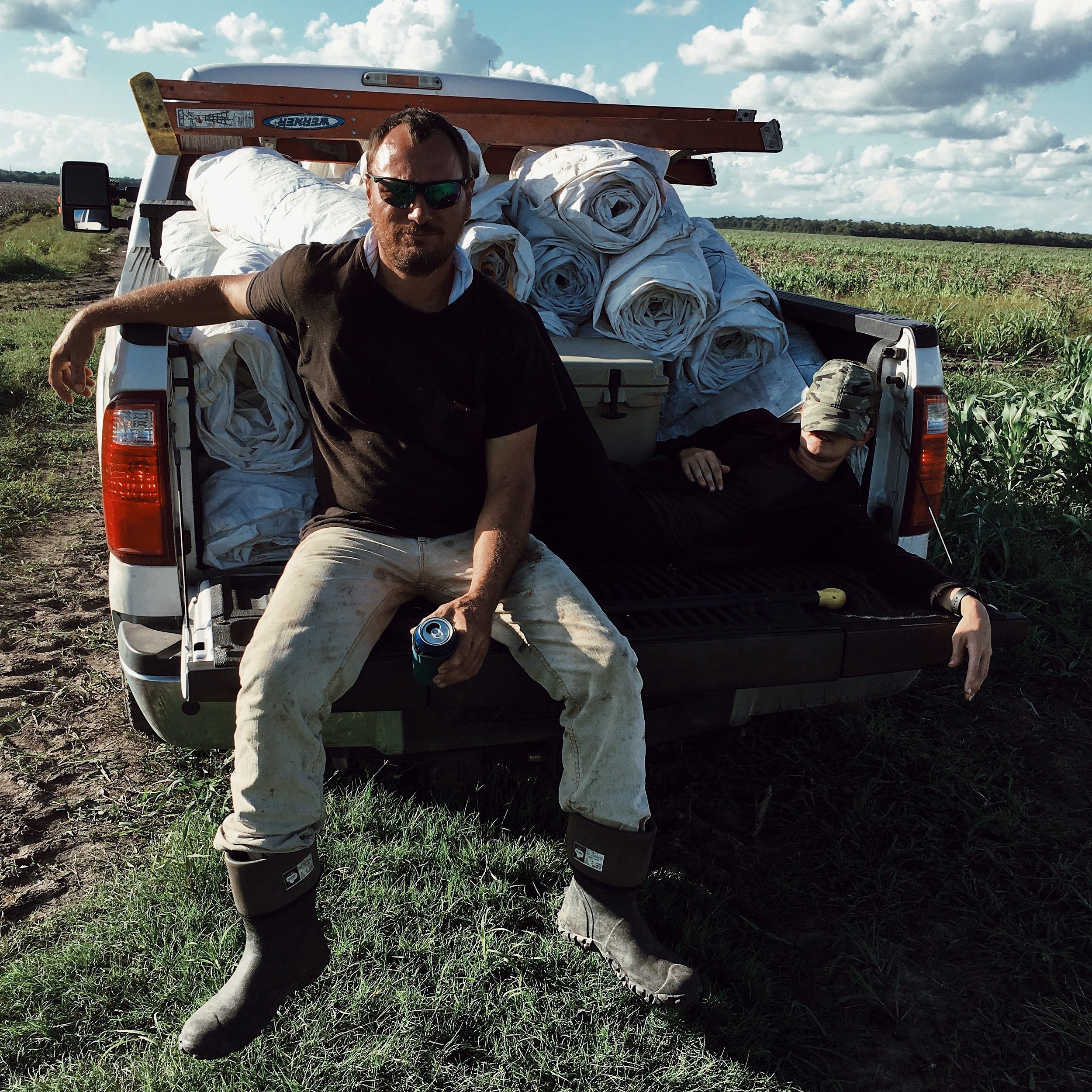
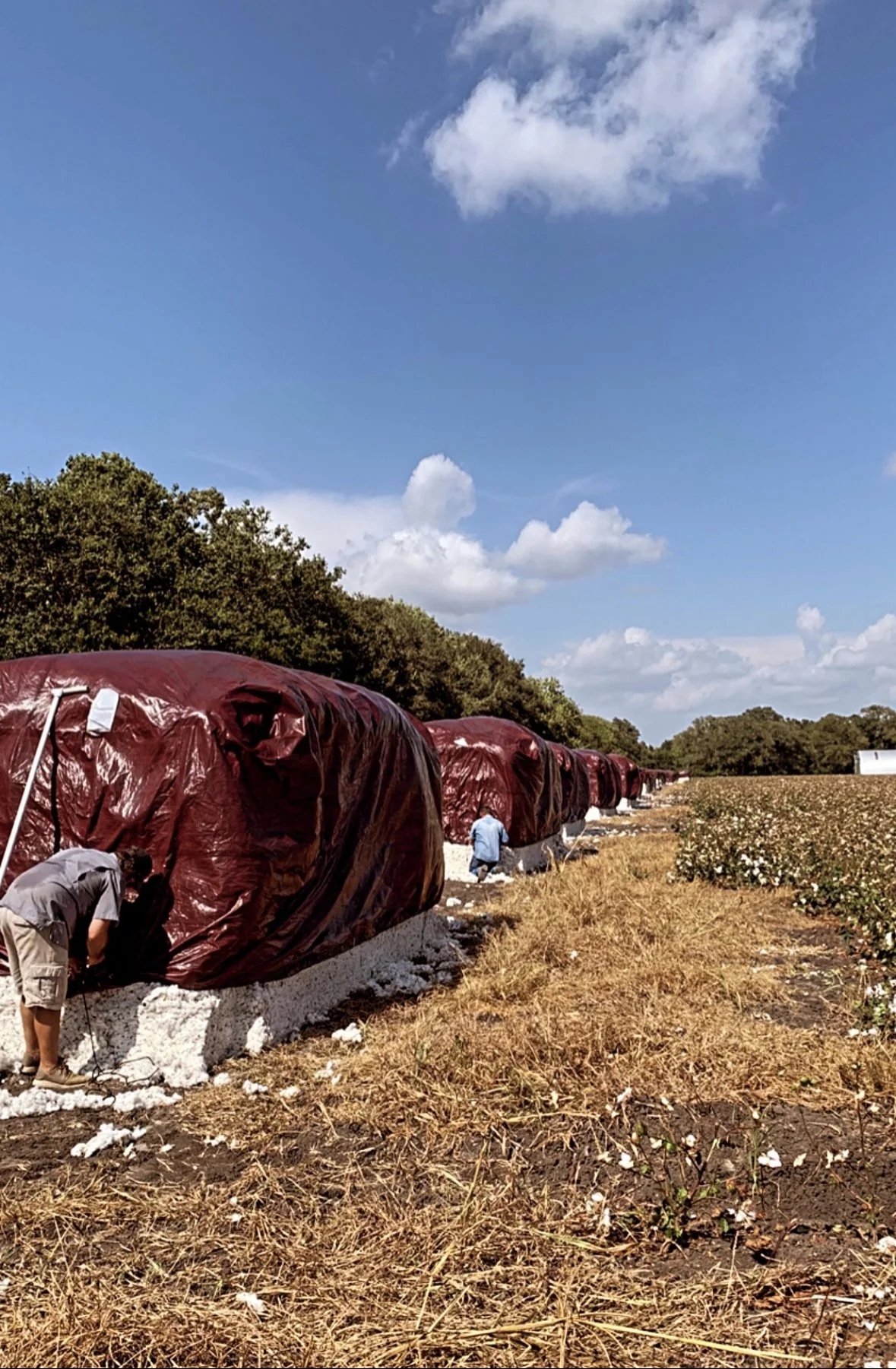
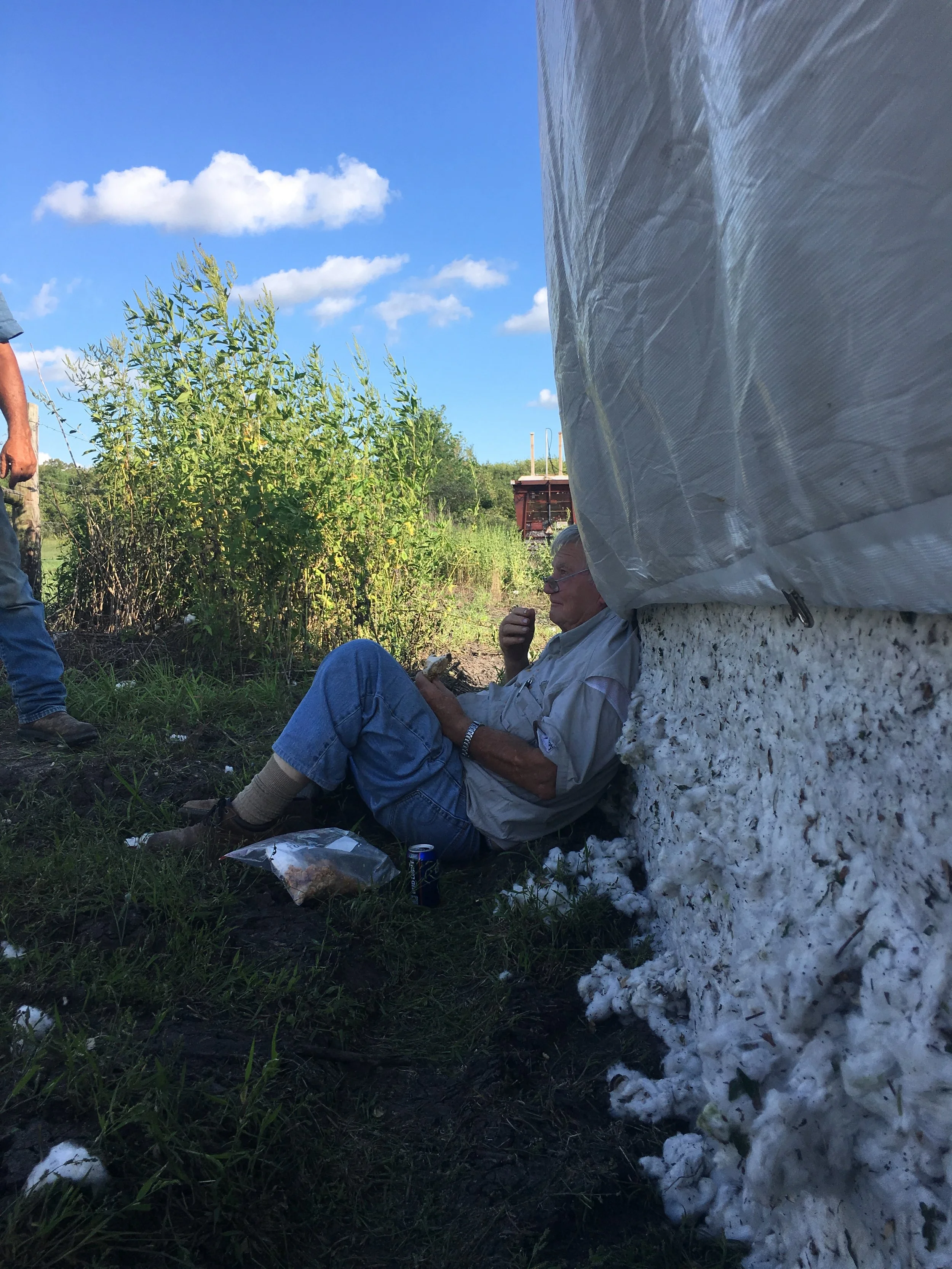
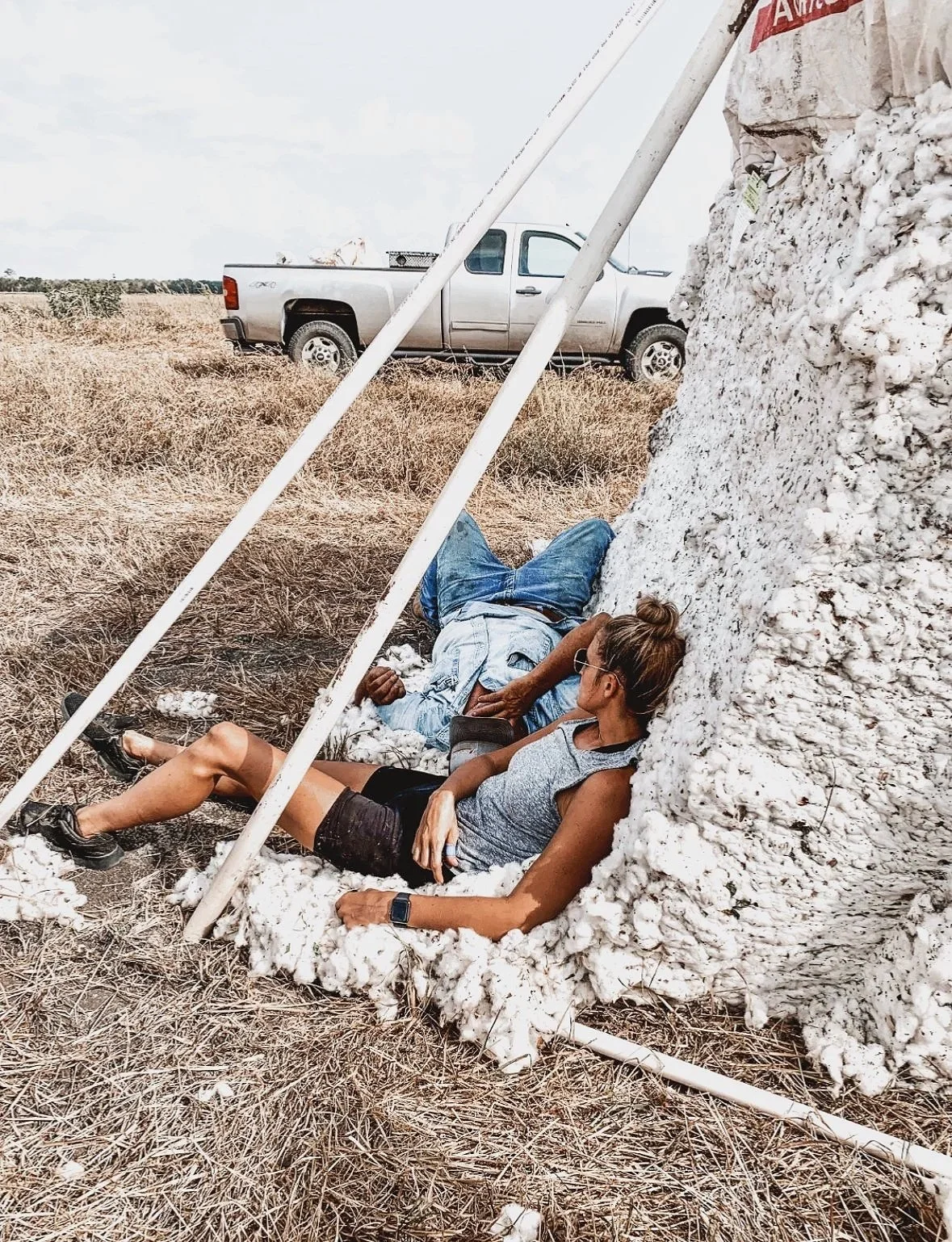
Cotton harvest was always a grueling time of year, but this particular task stood out as one of the least favored. The repetitive process of the cotton picker stomping a module and then dropping it on the turn row. Each module had to be tarped, a physically demanding and time-consuming task.
To streamline the process, my dad devised a pole system that proved to be a game-changer. It made the task more manageable, although the workload remained substantial. Cotton harvest typically kicked off in August, during the sweltering heat of a Texas summer, adding an extra layer of challenge to the already arduous work. Ensuring that everything was properly tarped was crucial, as the module trucks would soon arrive to transport them to the cotton gin.
Two picker modules would be equivalent to one stomped module. It was essential to tag each module and expedite their removal from the field promptly. Time was always of the essence in this race against Mother Nature, who operated on her own unpredictable schedule.
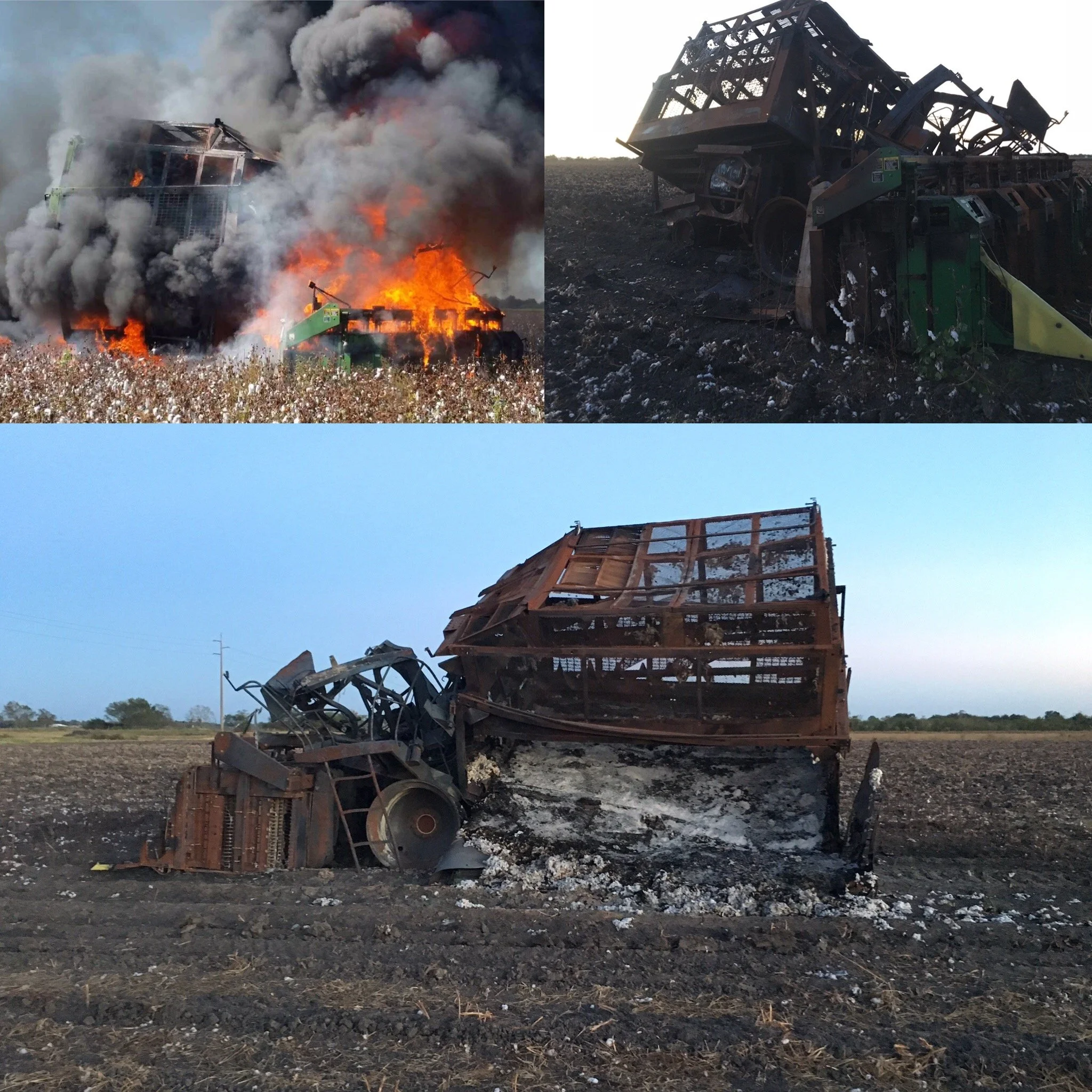
Despite the pole system and efforts to optimize efficiency, the combination of nature's whims and inevitable breakdowns meant that cotton harvest season always felt like an endurance test, stretching on longer than anticipated.
-
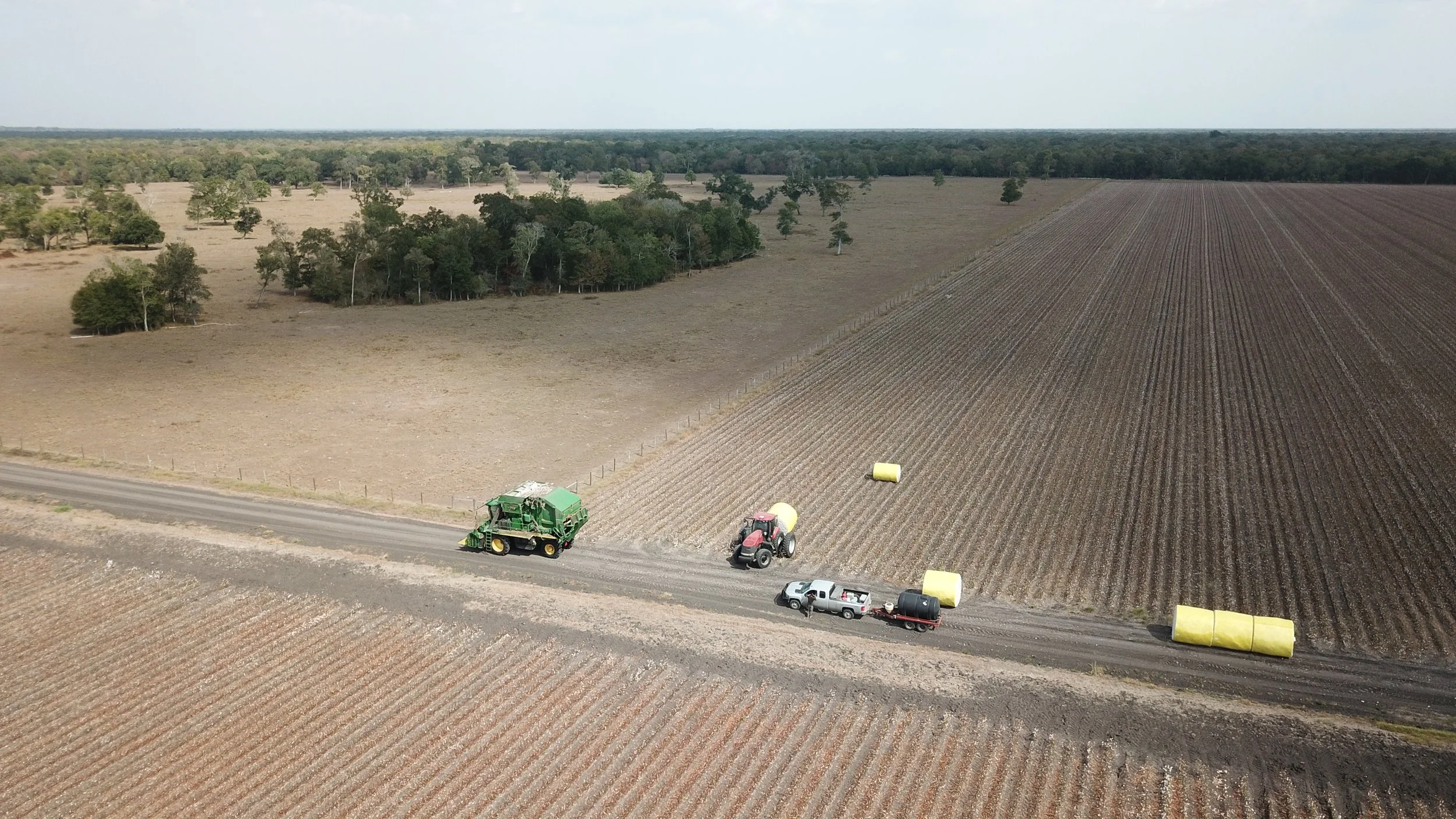
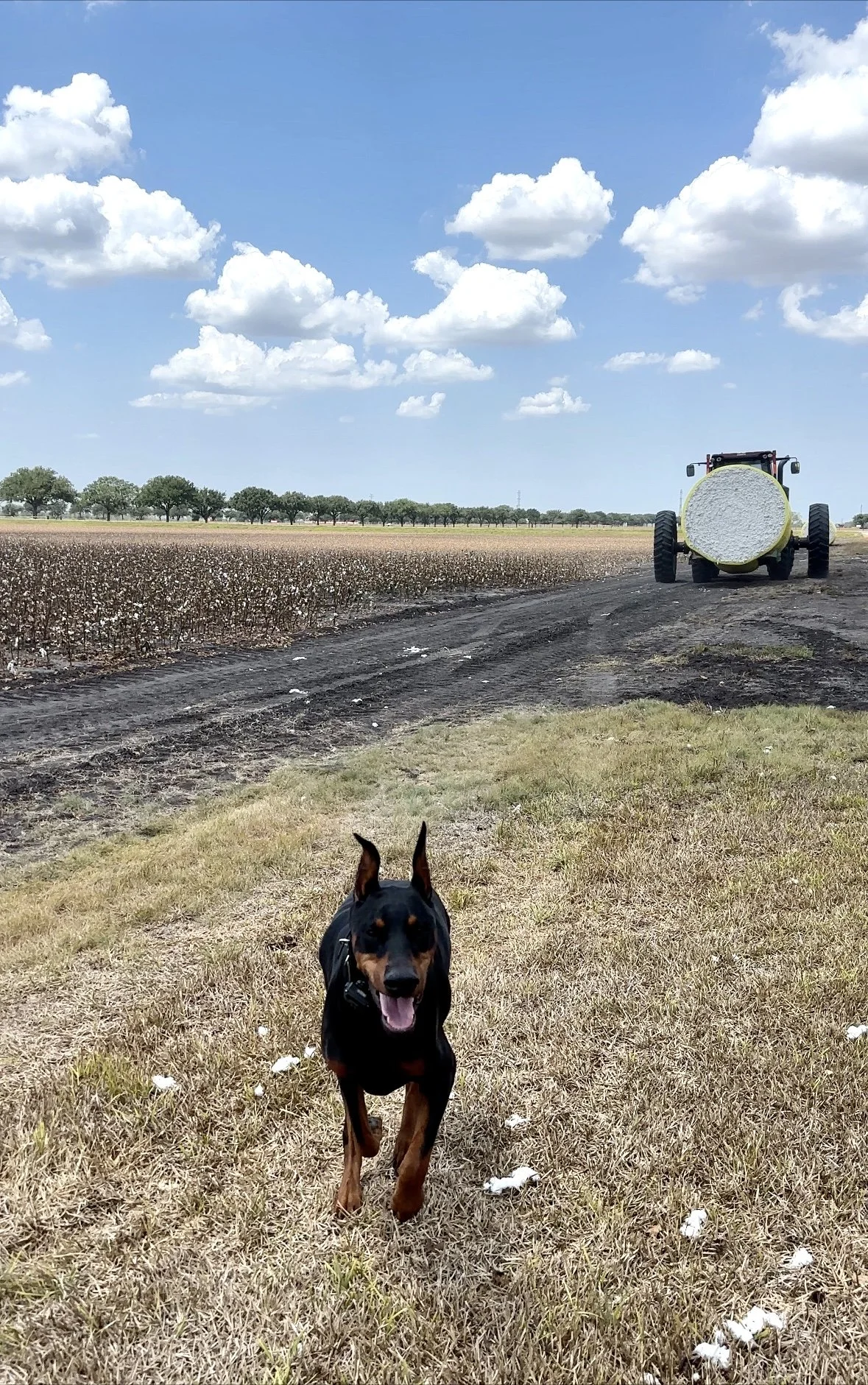
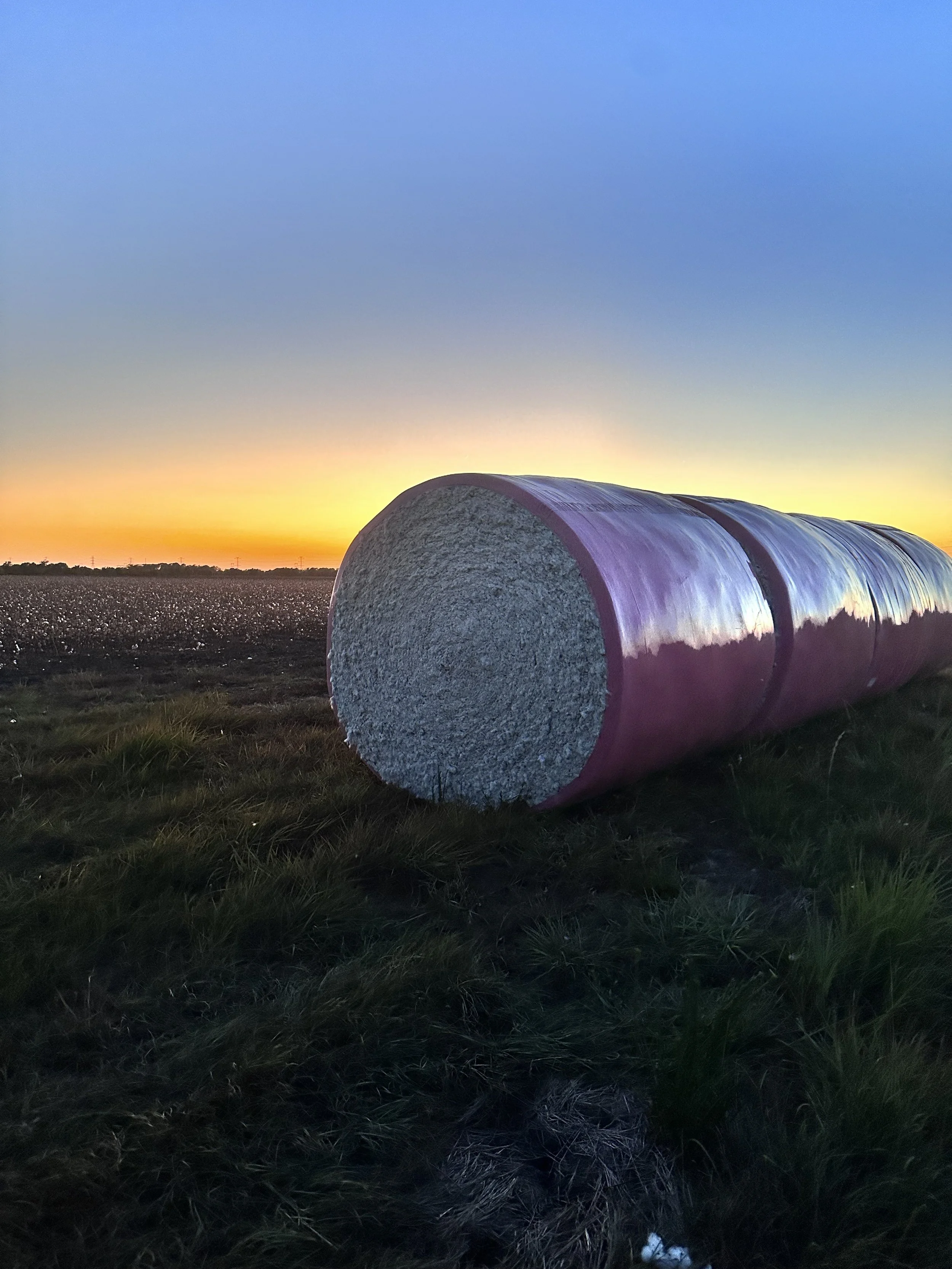
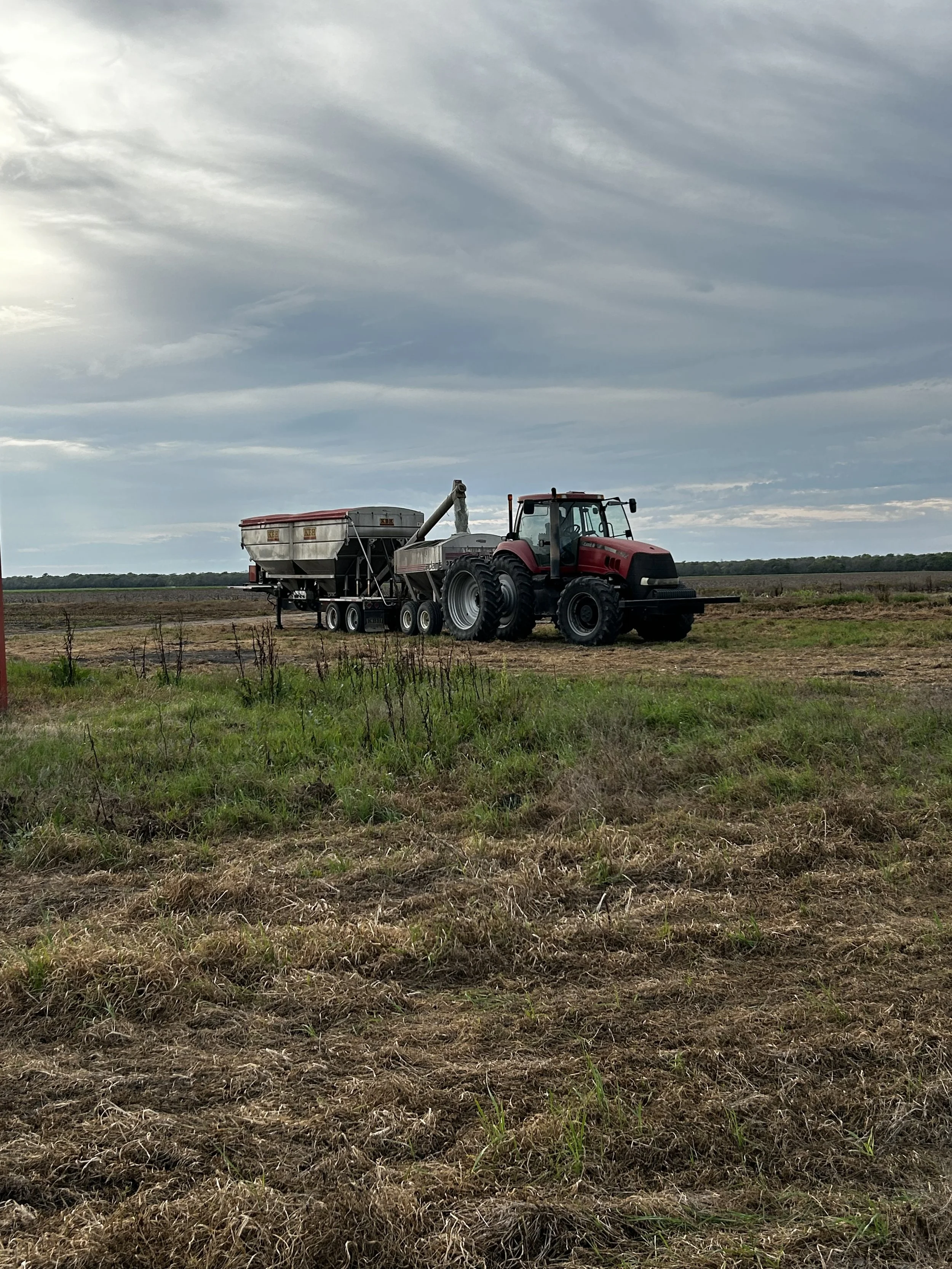
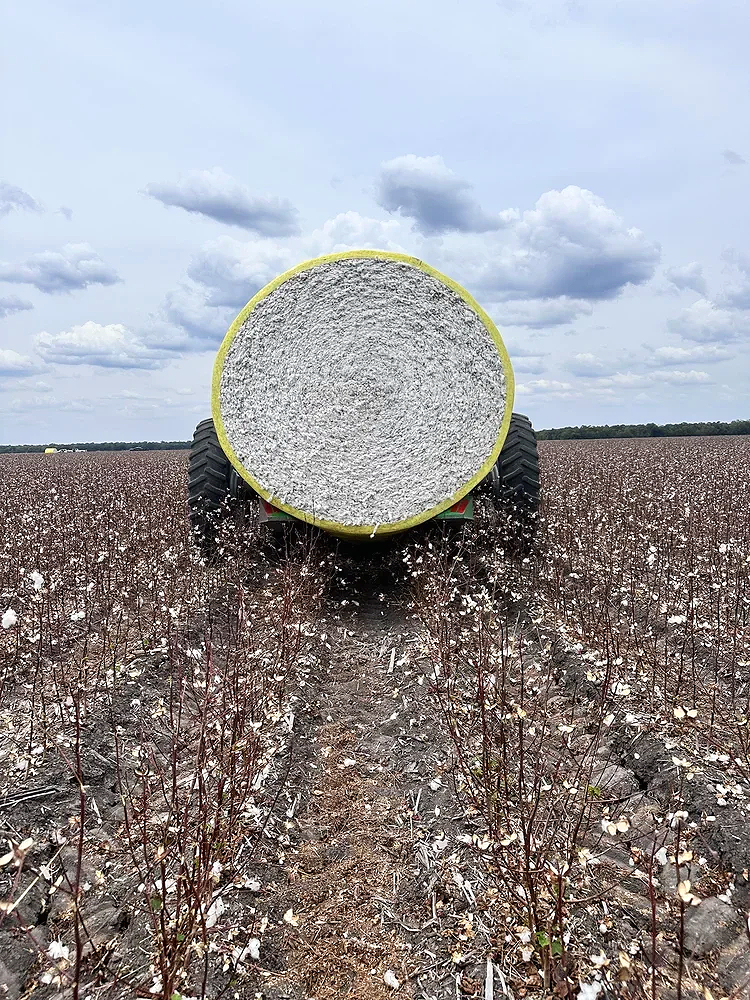
In the current process, the cotton picker creates round bales, wraps them, and drops them in the field while continuing to pick cotton.. The "B Team" then takes charge, using a tractor with a bale mover attached to pick up each bale left in the field. These bales are then stacked in groups of four on the turn row. This stacking method ensures that the maximum number of bales that can fit into the module truck are efficiently transported to the gin in one go.
The transition from one large module to two picker modules and then to four round bales in the truck optimizes the transportation process. The objective is to handle the bales carefully while transporting from the field to the turn row to prevent any damage to the wrap. The "B Team" has only once slightly busted one wrap. I guess texting and tractor driving doesn’t mesh well either.
One of the advantages of working with round bales is the reduction in waste. By utilizing this method, there is a decrease in the need to constantly gather cotton from the ground, contributing to a more efficient operational flow.
The Harvest Process
Module Builder
-
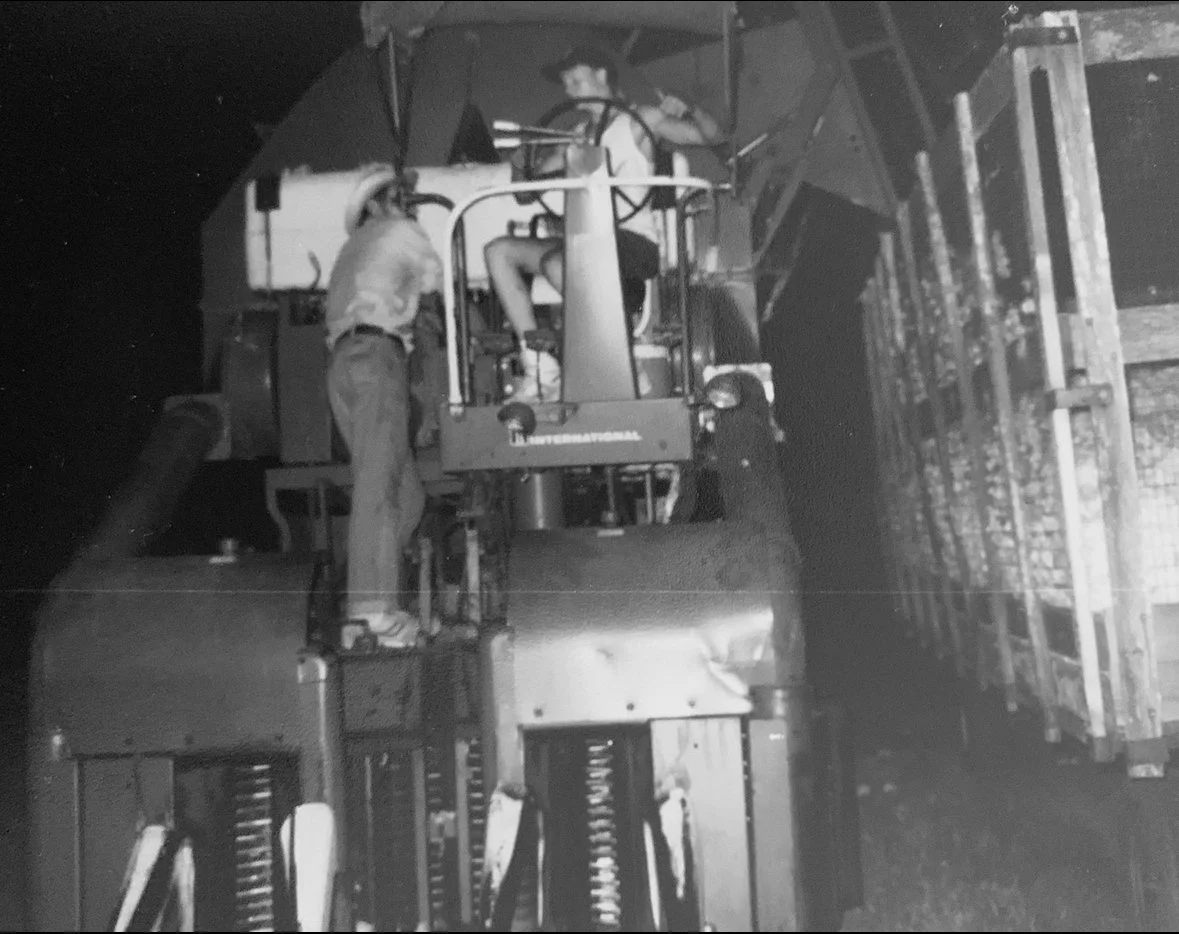
Before onboard module pickers and round-bale technology, cotton was transferred from the picker into a module builder stationed at the edge of the field. The builder compressed the loose cotton into large rectangular modules that were later transported to the gin.
Once built, the modules were covered with a tarp to protect them from weather until a module truck arrived to haul them to the gin.
For me, the module builder was always one of my favorites during harvest. It was a smooth, well-coordinated process that kept everything moving in the field.
Watch the module builder in action:
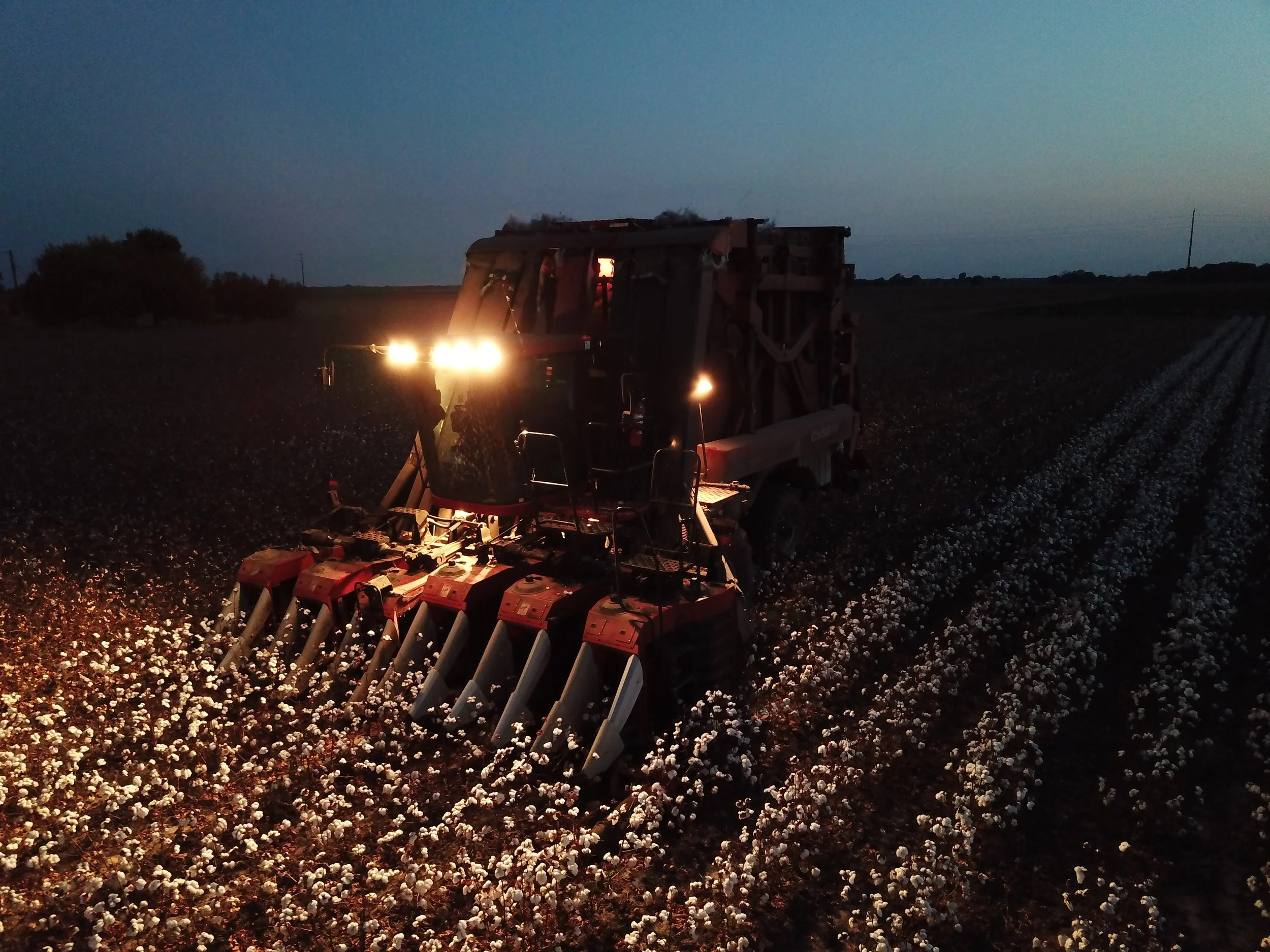
Case Onboard Module
-
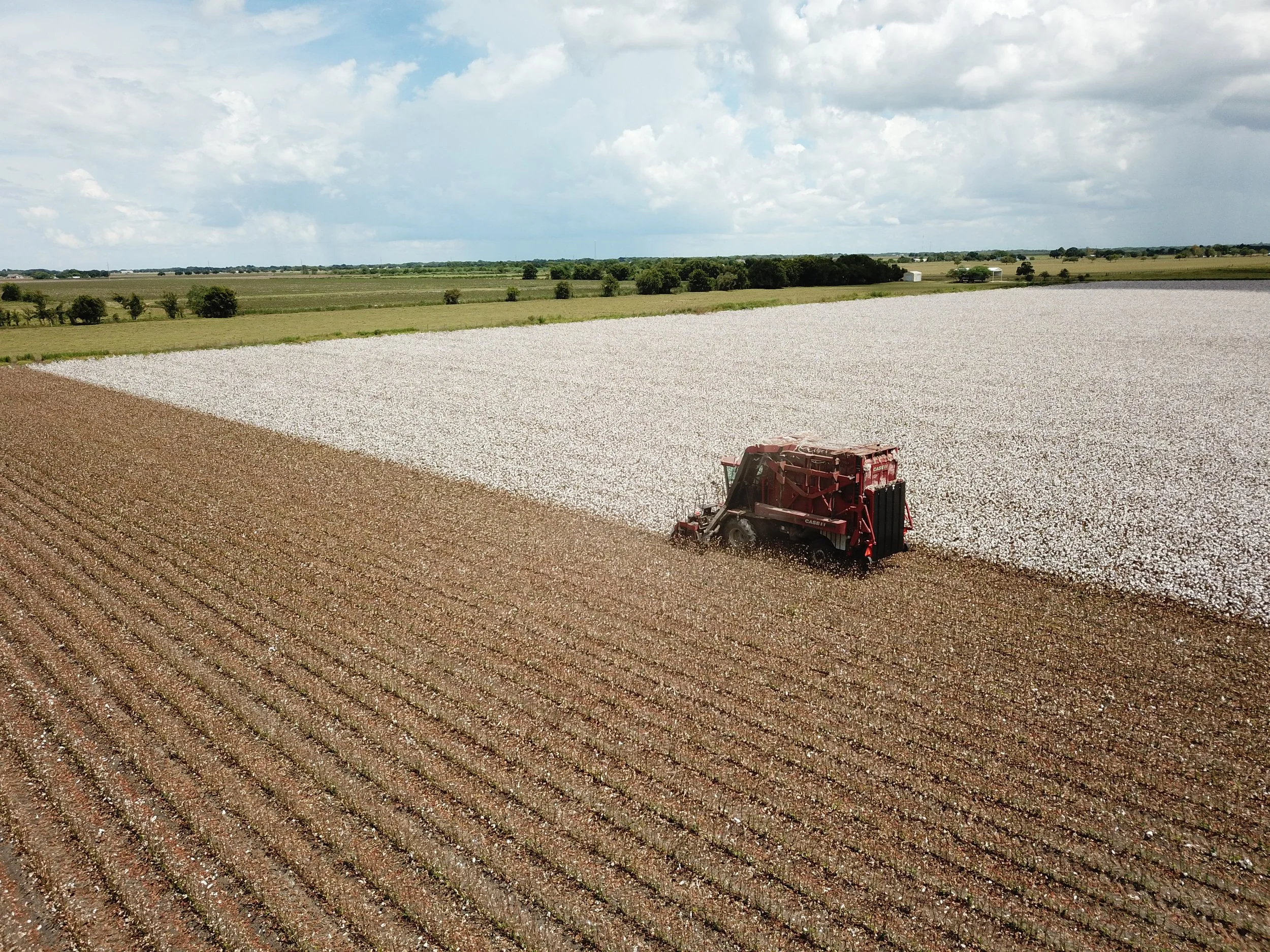
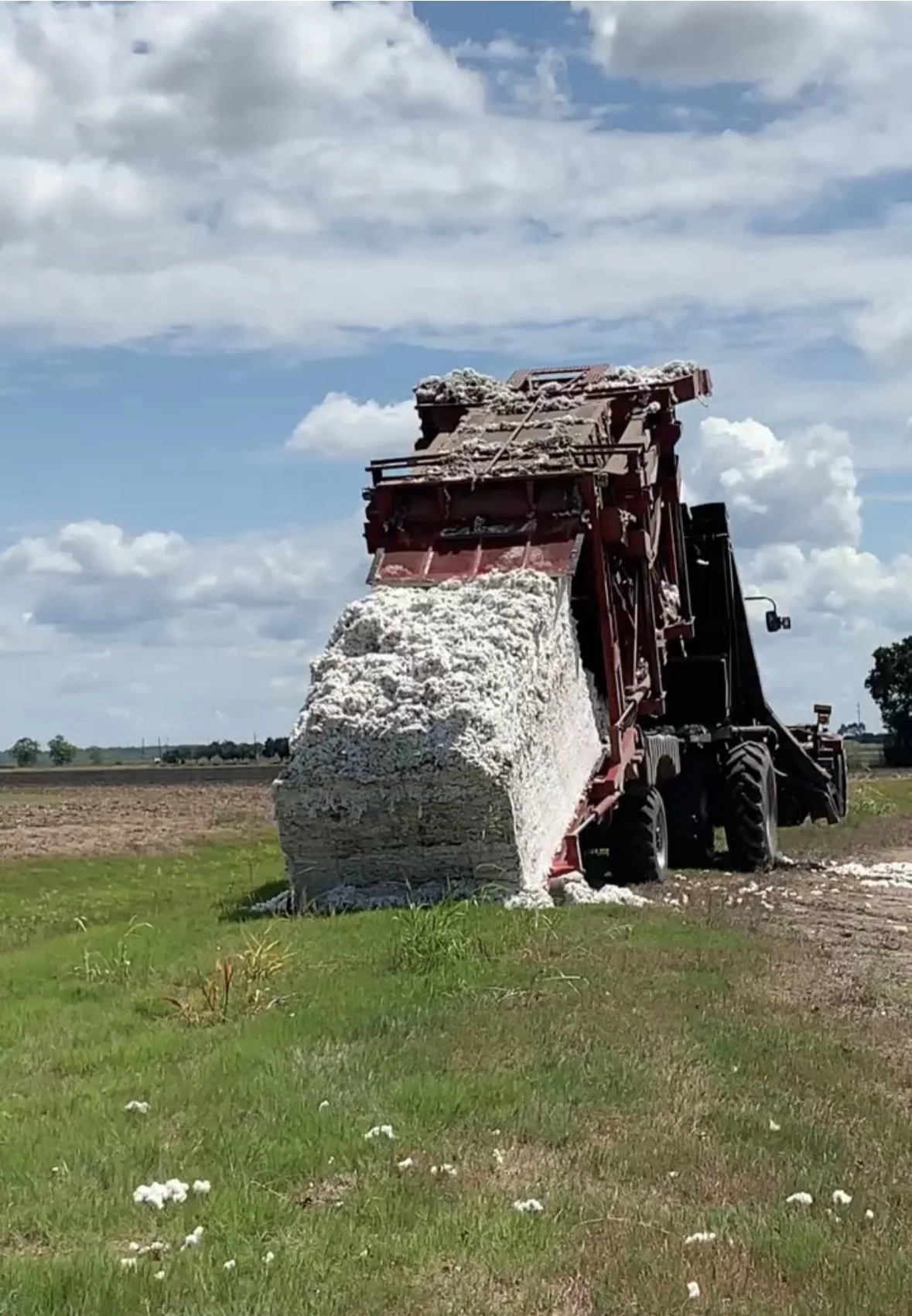
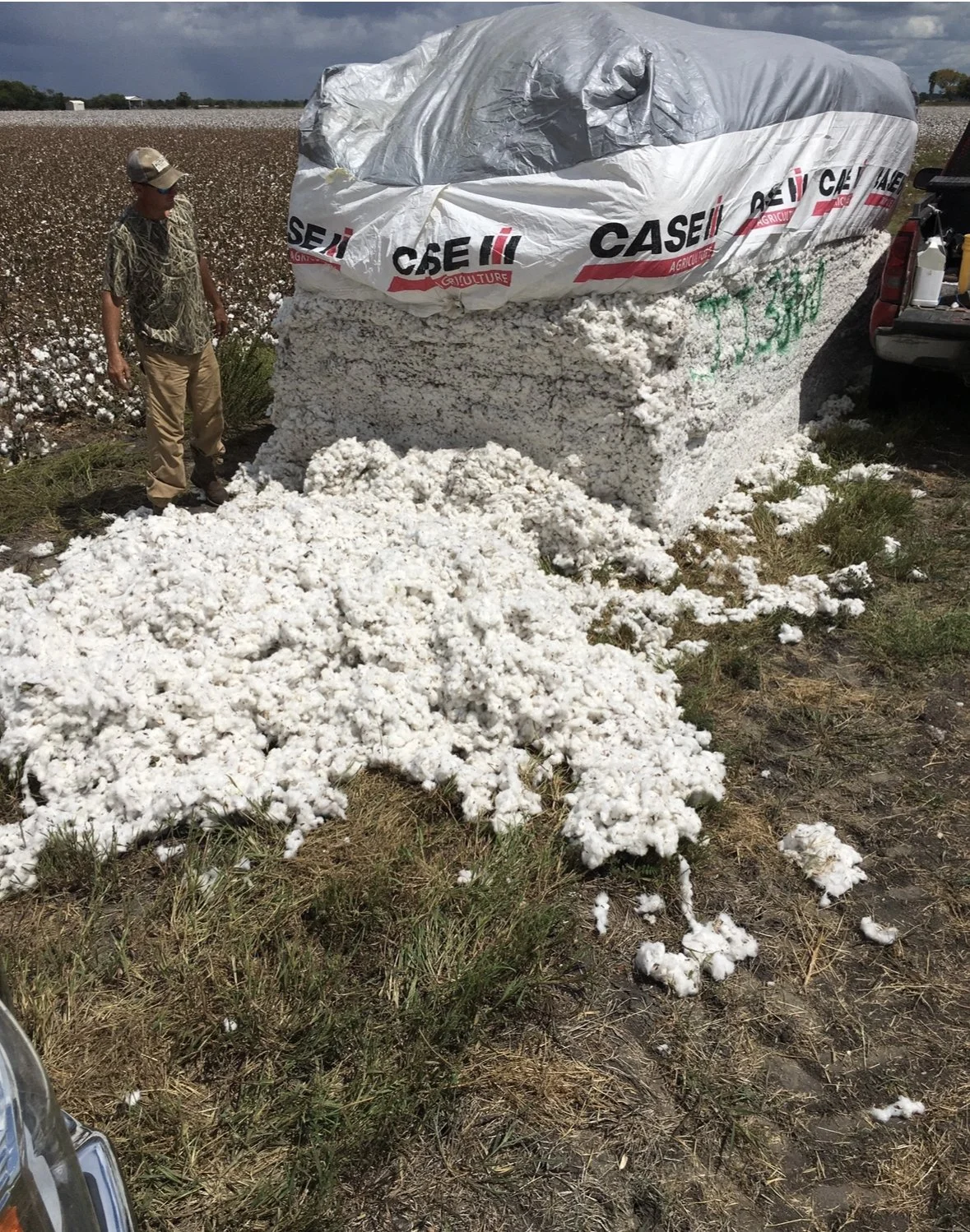
Before modern round-bale pickers, some cotton harvesters began forming modules directly on the machine. This Case picker compressed the cotton as it was harvested and built a module onboard.
Once the module was dropped in the field, it still had to be manually tarped from the ground to protect it from weather before it could be transported to the gin — a tough job, especially in the Texas heat.
Because these modules were smaller, two of them equaled one module made by a traditional module builder, and a gin module truck would carry two of these onboard modules.
While it helped streamline harvest at the time, it was still a labor-intensive system and was eventually replaced by modern round-bale pickers that build and wrap cotton automatically in the field.
-
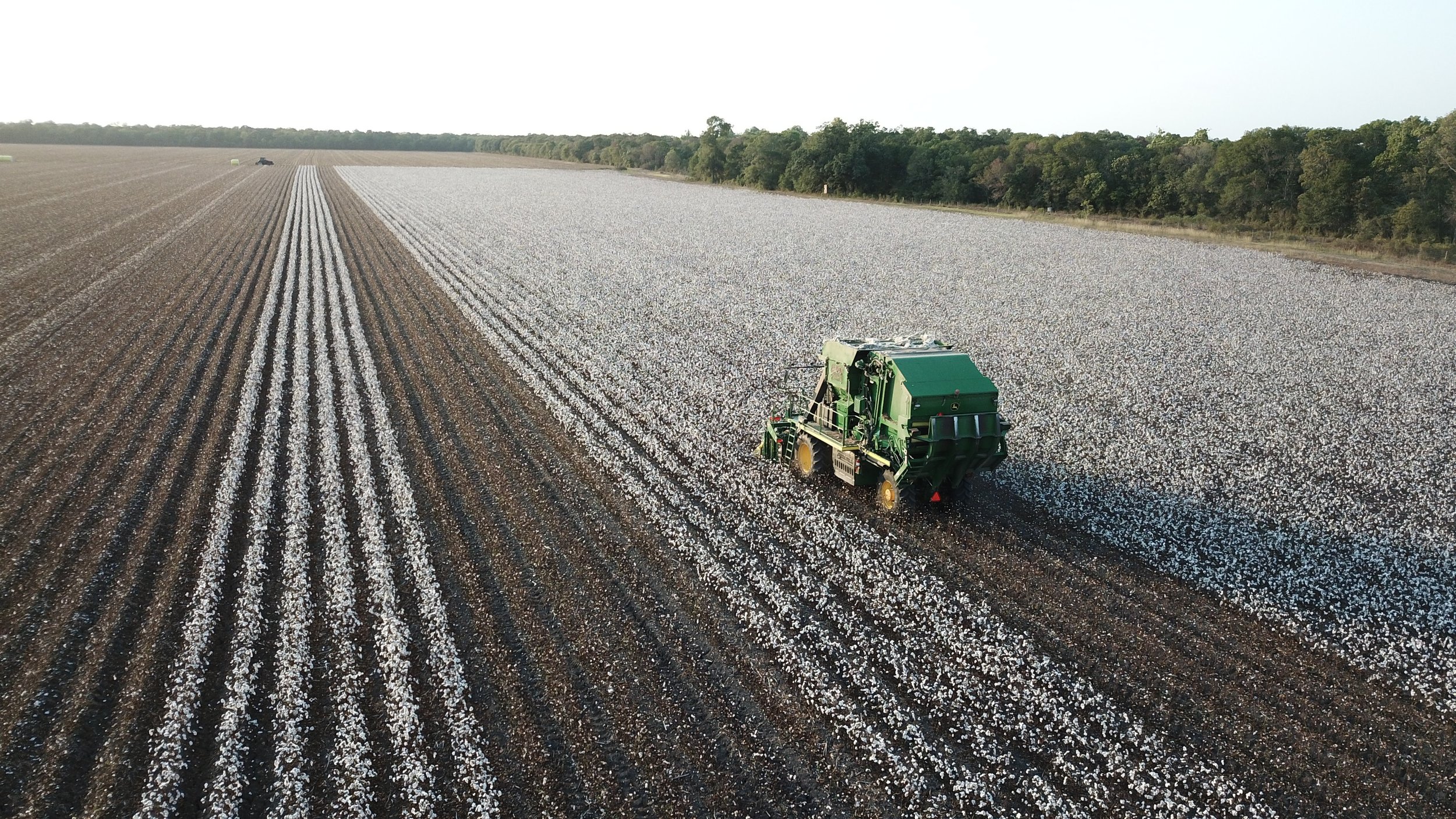
Modern cotton pickers now build and wrap cotton modules directly in the field as they harvest. Instead of transferring cotton to a separate module builder or forming smaller onboard modules, the picker compresses the cotton into large round bales and wraps them immediately for protection.
These wrapped bales can remain in the field until they are picked up and transported to the gin, simplifying harvest logistics and reducing the amount of labor required.
This technology streamlined the entire process — combining harvesting, module building, and protection from the weather all into one machine.
Round Cotton Bales
From Field to Form
-
Once the cotton leaves the field, it is transported to the cotton gin where the fiber is separated from the seed, cleaned, and pressed into large bales. These bales are then shipped to textile mills where the fiber is spun into yarn and eventually turned into fabric.
Cotton gins play a vital role in the journey from field to fiber — connecting the work done in the field to the products people use every day.
Every bale begins in the field, but the story of cotton continues long after harvest.
The Cotton Gin
MOTHER NATURE
#FARMSTRONG
-
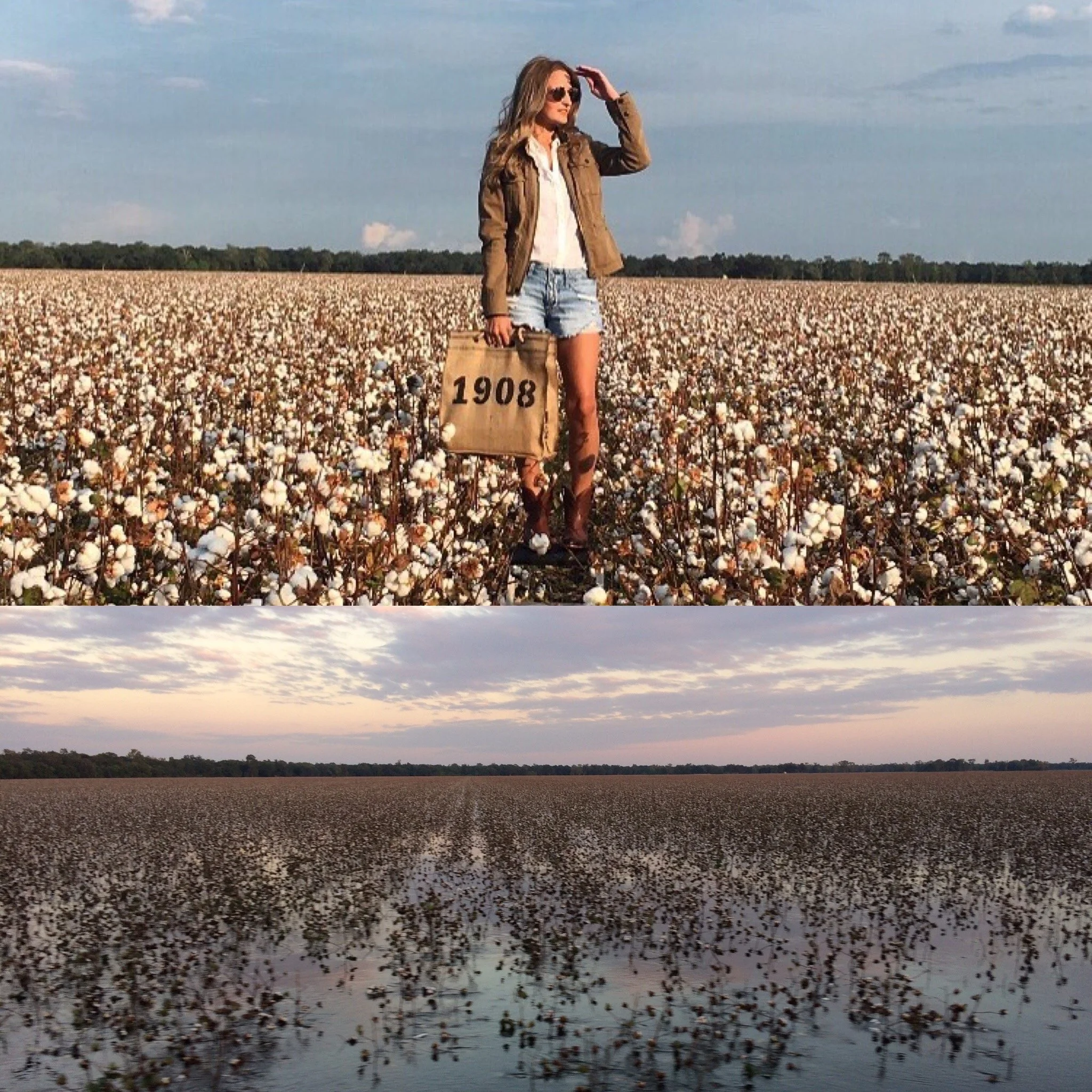
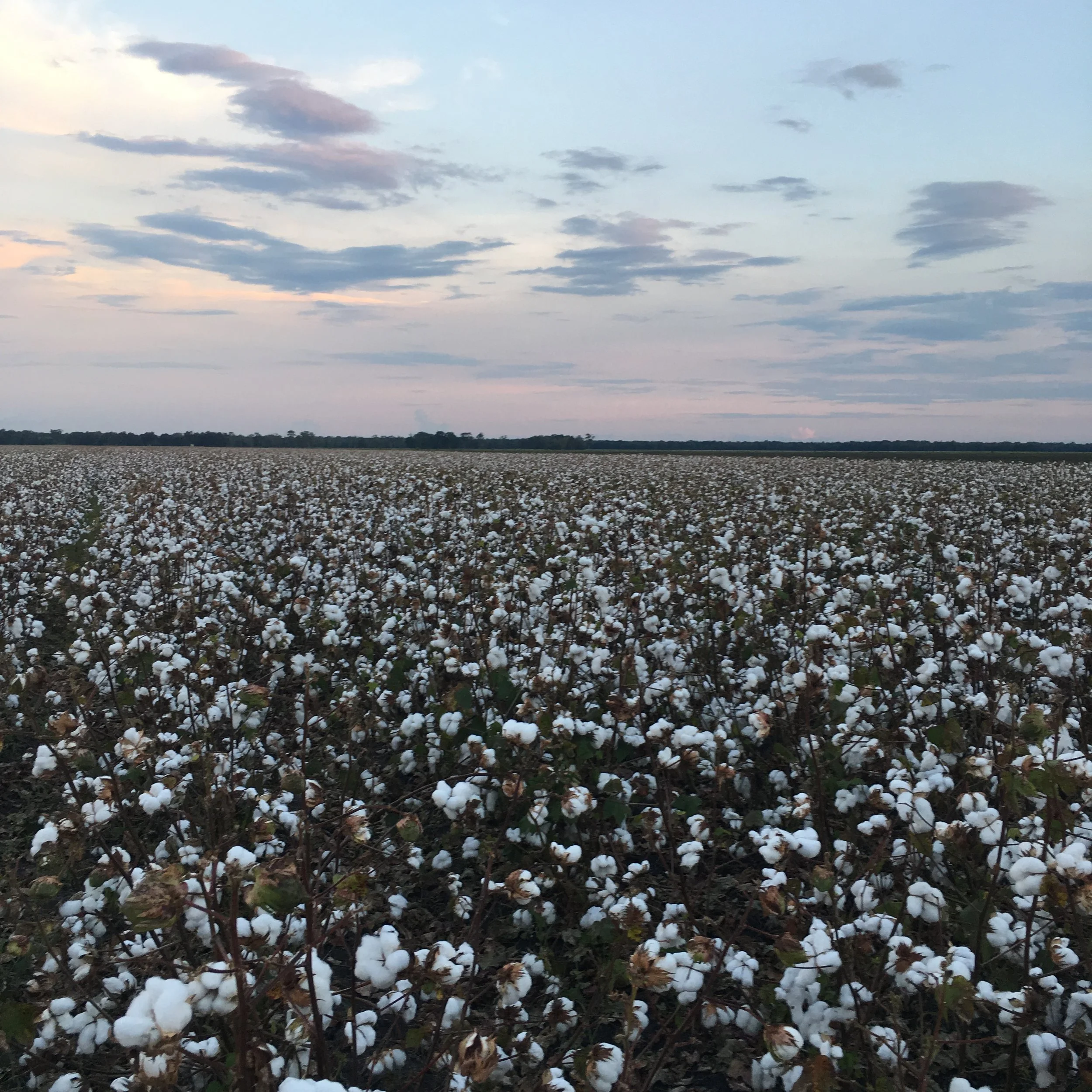
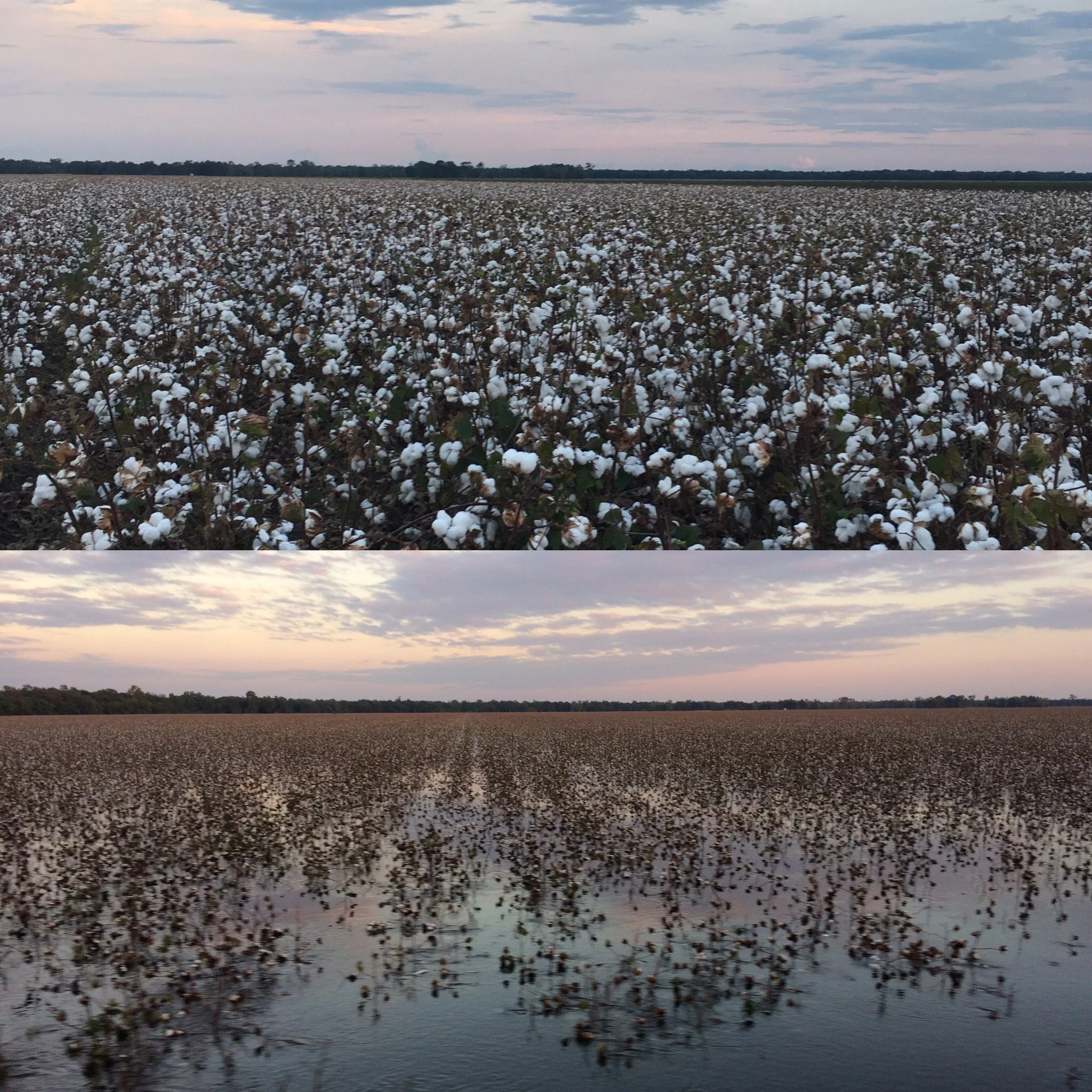
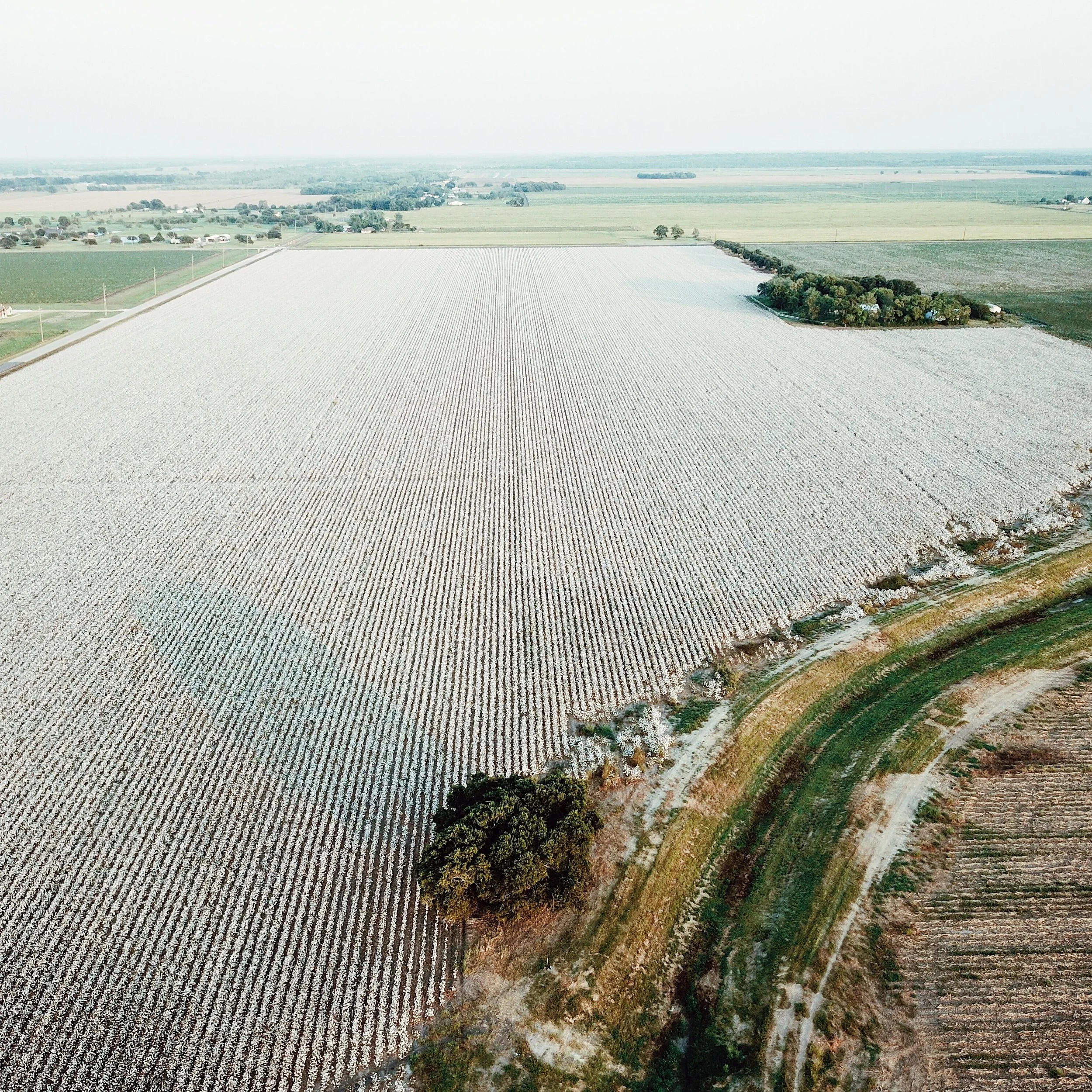
It is disheartening to witness the devastating impact of a hurricane on a well-tended cotton crop. The beauty of the field that was captured through pictures and videos the day before the storm serves as a stark reminder of the fragility of nature's balance. The use of an airboat to navigate the flooded fields highlights the resilience and resourcefulness required in the face of such natural calamities. Mother Nature's power is undeniable and humbling, as even the best efforts to protect the cotton crop were washed away in an instant. It is a testament to the unpredictable and formidable force farmers must sometimes reckon with.
-
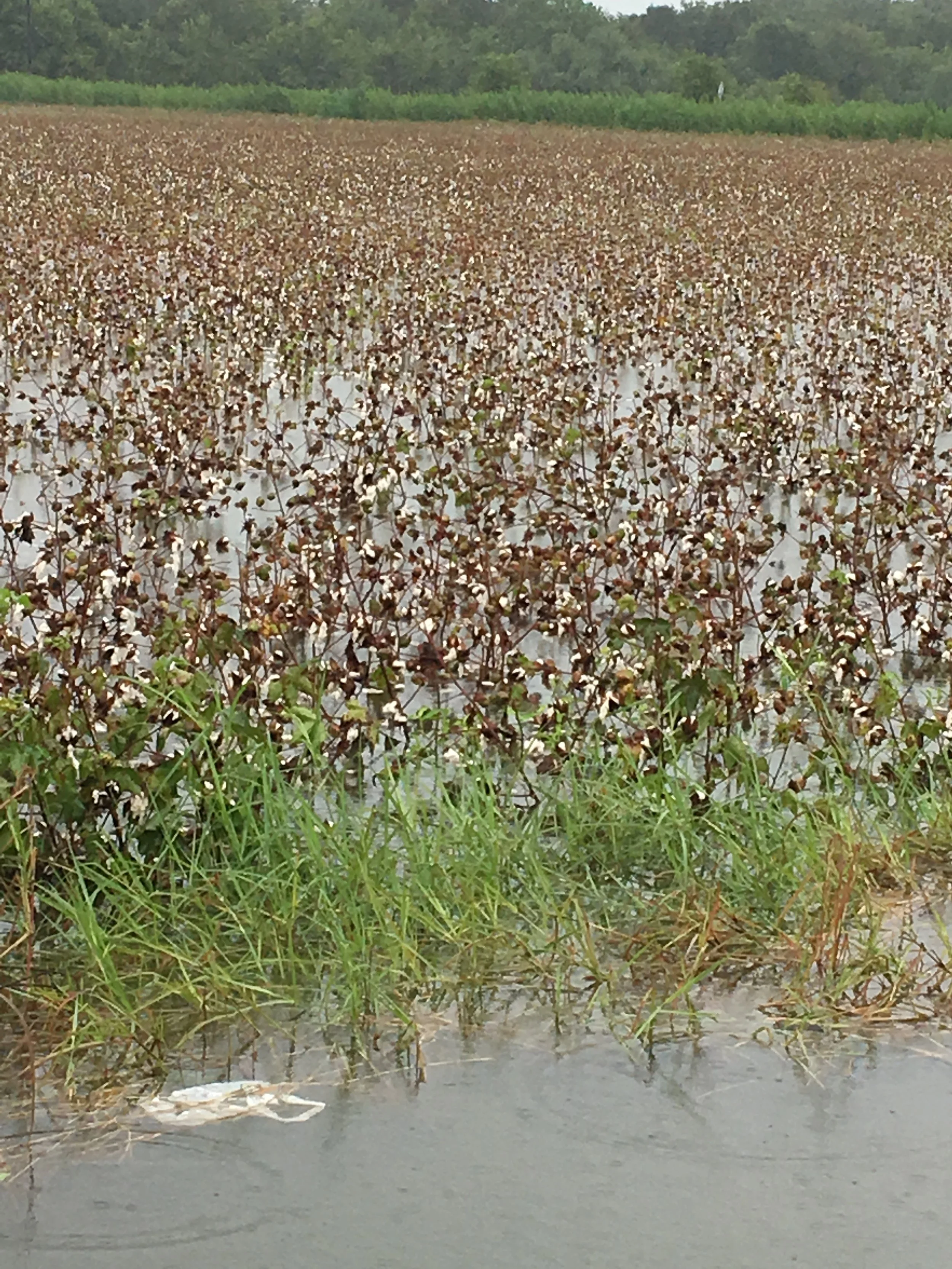
It is truly saddening to observe the immense devastation caused by a hurricane to a meticulously cared-for cotton crop. The picturesque beauty of the field, immortalized in photographs and videos just a few days after the storm, stands out as a poignant reminder of how delicate the equilibrium of nature can be. The overwhelming might of Mother Nature is both awe-inspiring and humbling, rendering all efforts to shield the cotton crop futile in the blink of an eye. This event serves as a testament to the capricious and mighty power that farmers must sometimes come face to face with. With the continued rain, a once promising cotton crop is slowly deteriorating by the day.
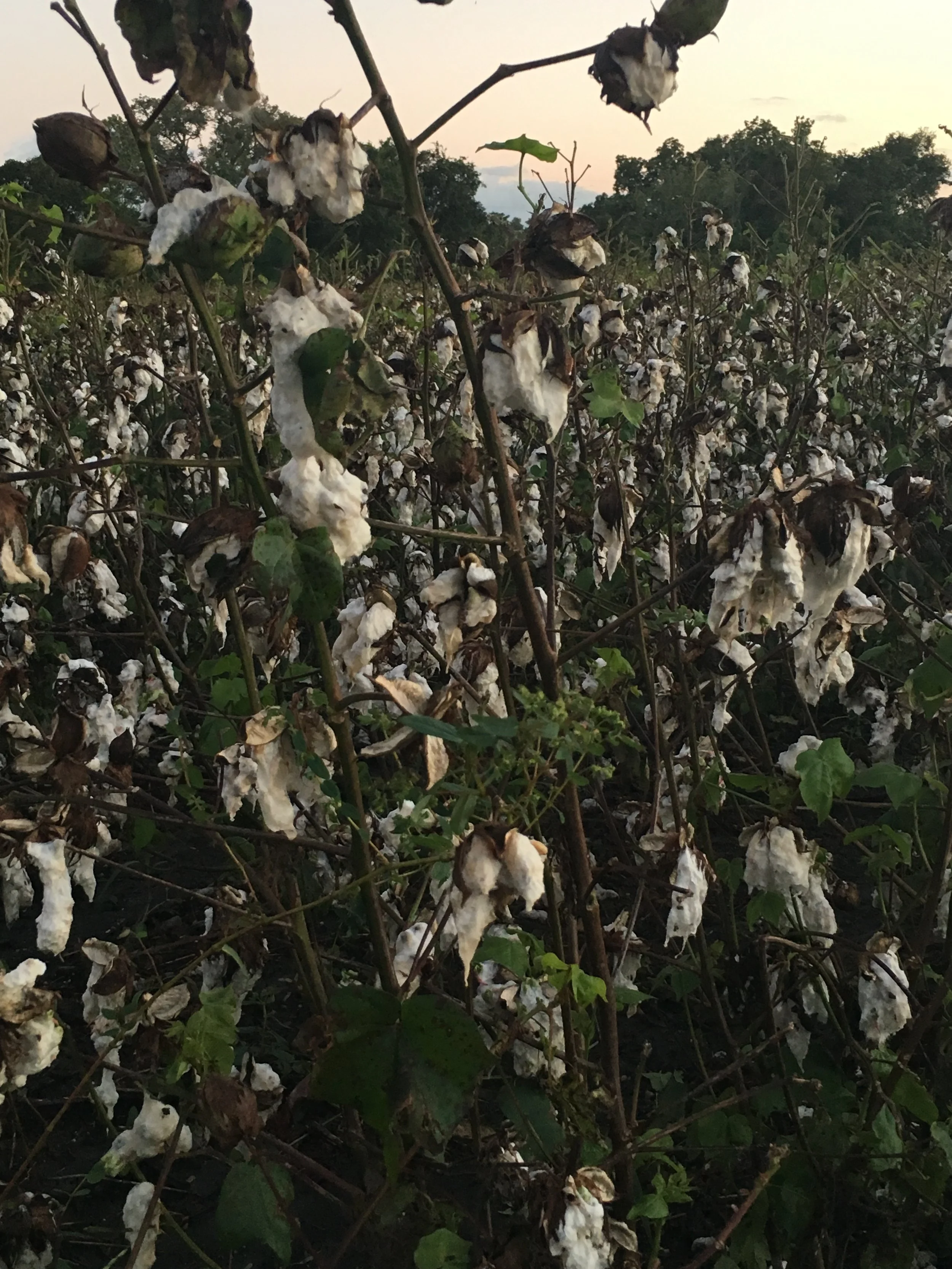
The video beside it was captured in the aftermath of Hurricane Beryl. The once-beautiful cotton crop now lies twisted and damaged, with numerous bolls lost. The fierce 90mph winds delivered a devastating blow to the cotton fields in various locations.

-
The field stretching out before you reveals the telltale signs of where a bolt of lightning made its dramatic impact.
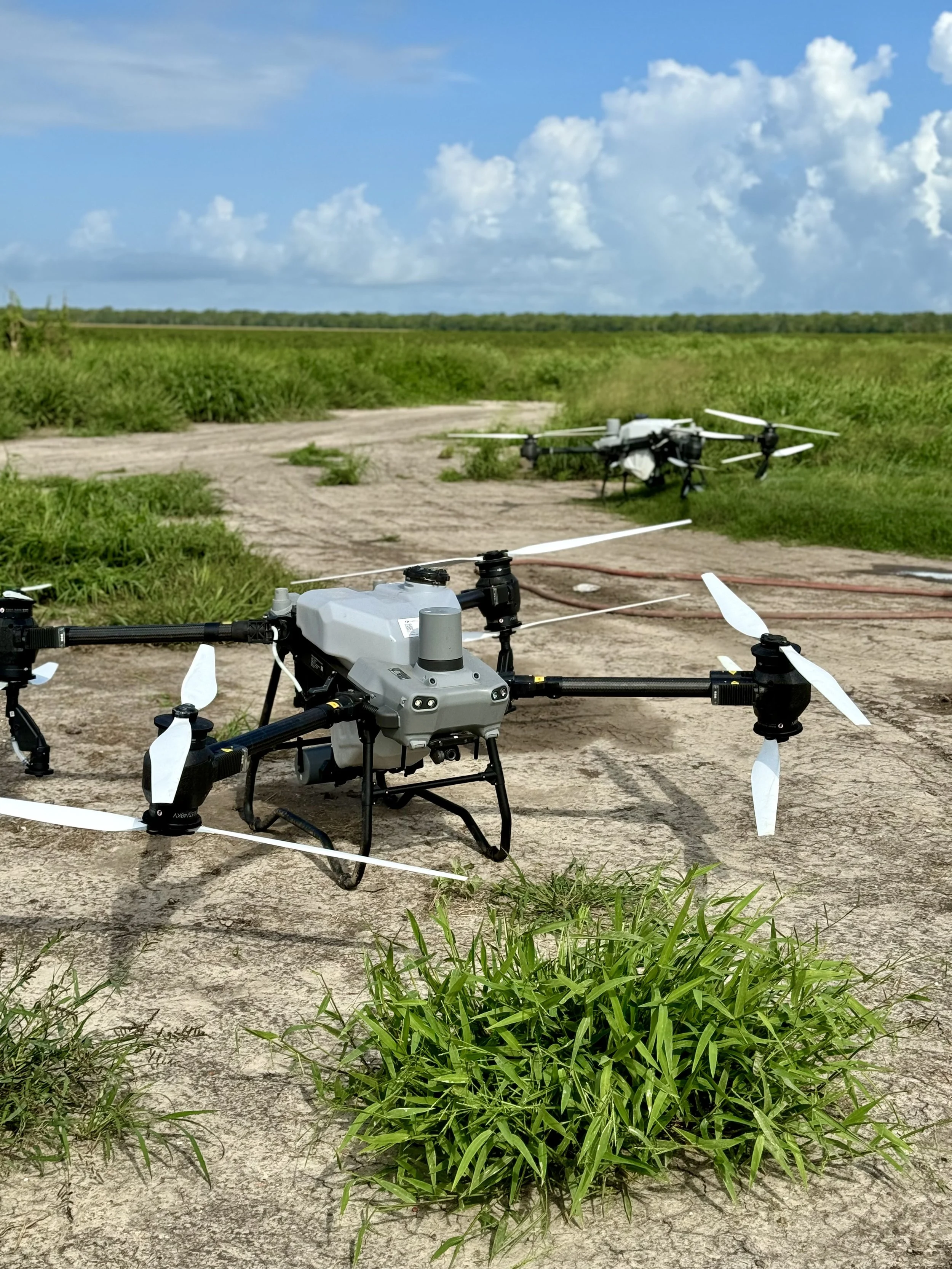
Taking Spraying to New Heights - Drones
July 2024
#farmstrong
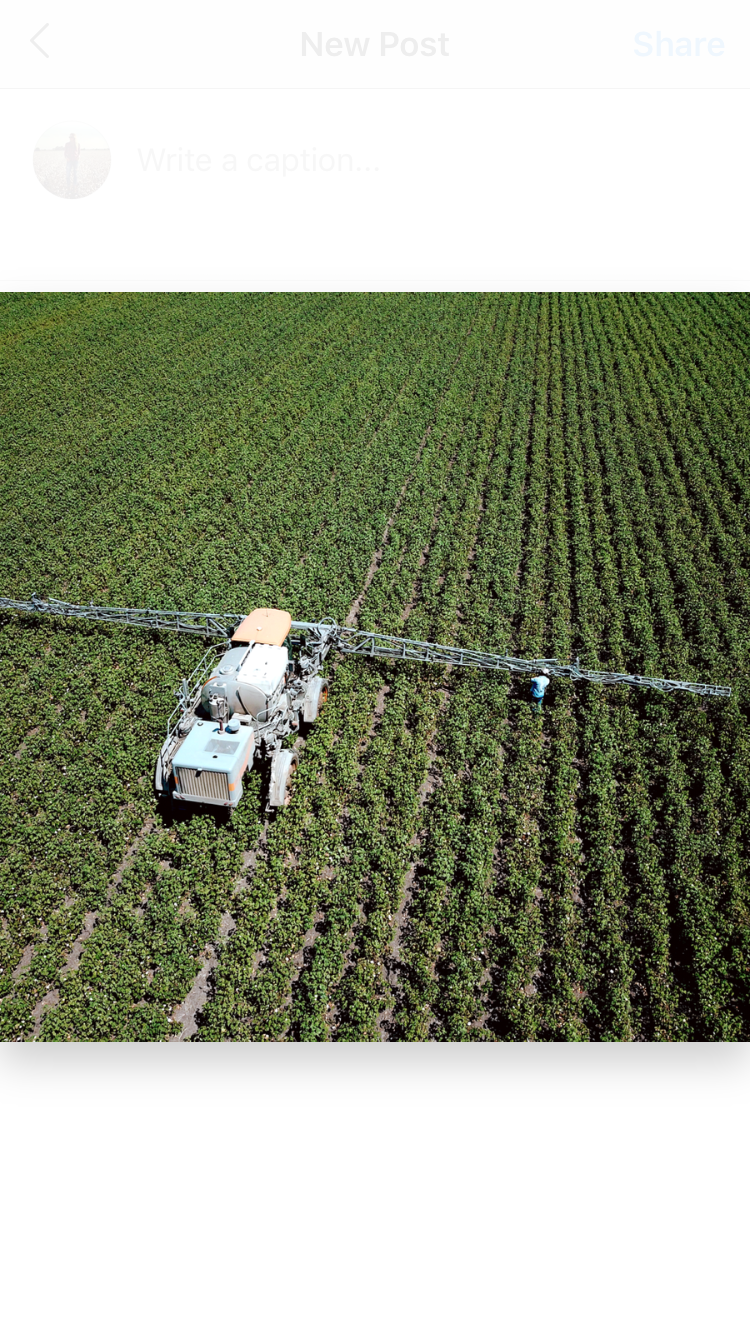
When the rain refuses to cease, it may be beneficial to experiment with utilizing drones to spray the crops and mitigate any potential damage caused by the prolonged rainfall.
#FARMSTRONG
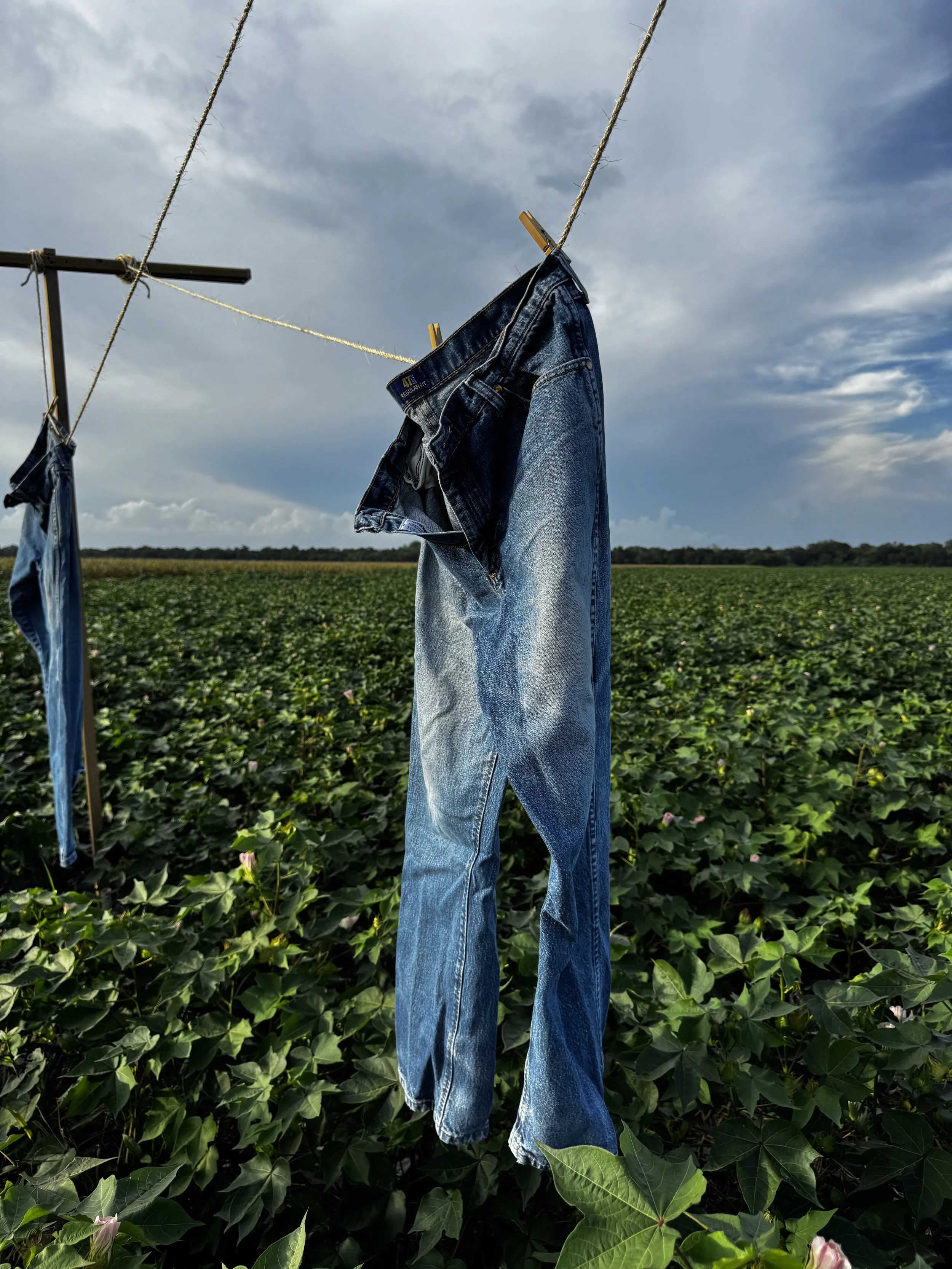
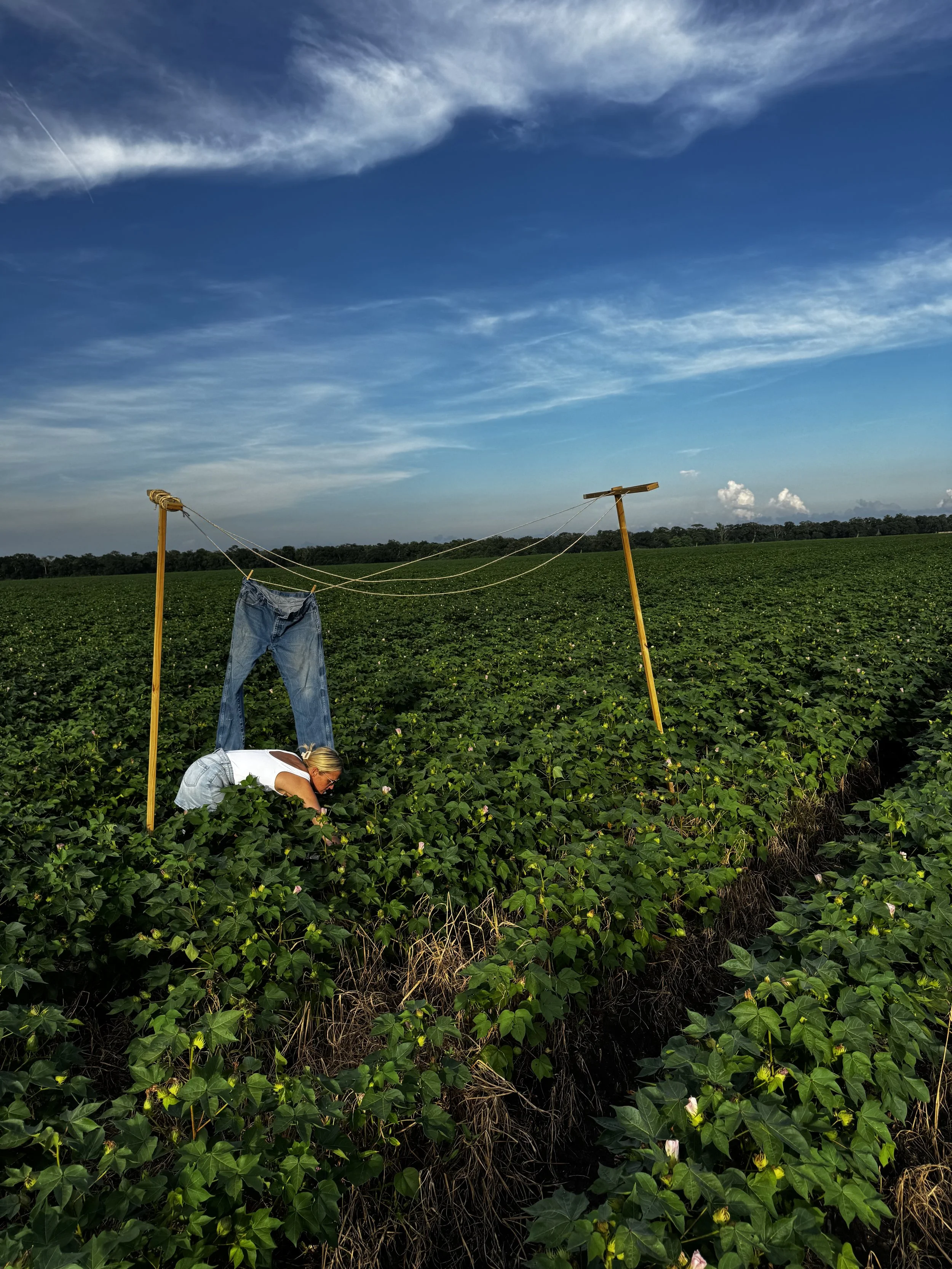
One bale = 215 pairs of denim
July 2025
From bale to blue jeans, cotton has a story.
Faded by sun.
Stained by work.
Softened by sweat.
Some threads carry more than fabric.
They carry legacy.
Do I dare mention what it cost?
There’s a reason farmers are considered the biggest gamblers, and why farmers have the highest suicide rates.
-
Purchasing
Breakdowns
Upkeep
-
Have you seen those mahines?
Tractor
Picker
Combine
Trucks
Tanks
-
-
Description text goes here
Cotton
7/4/25
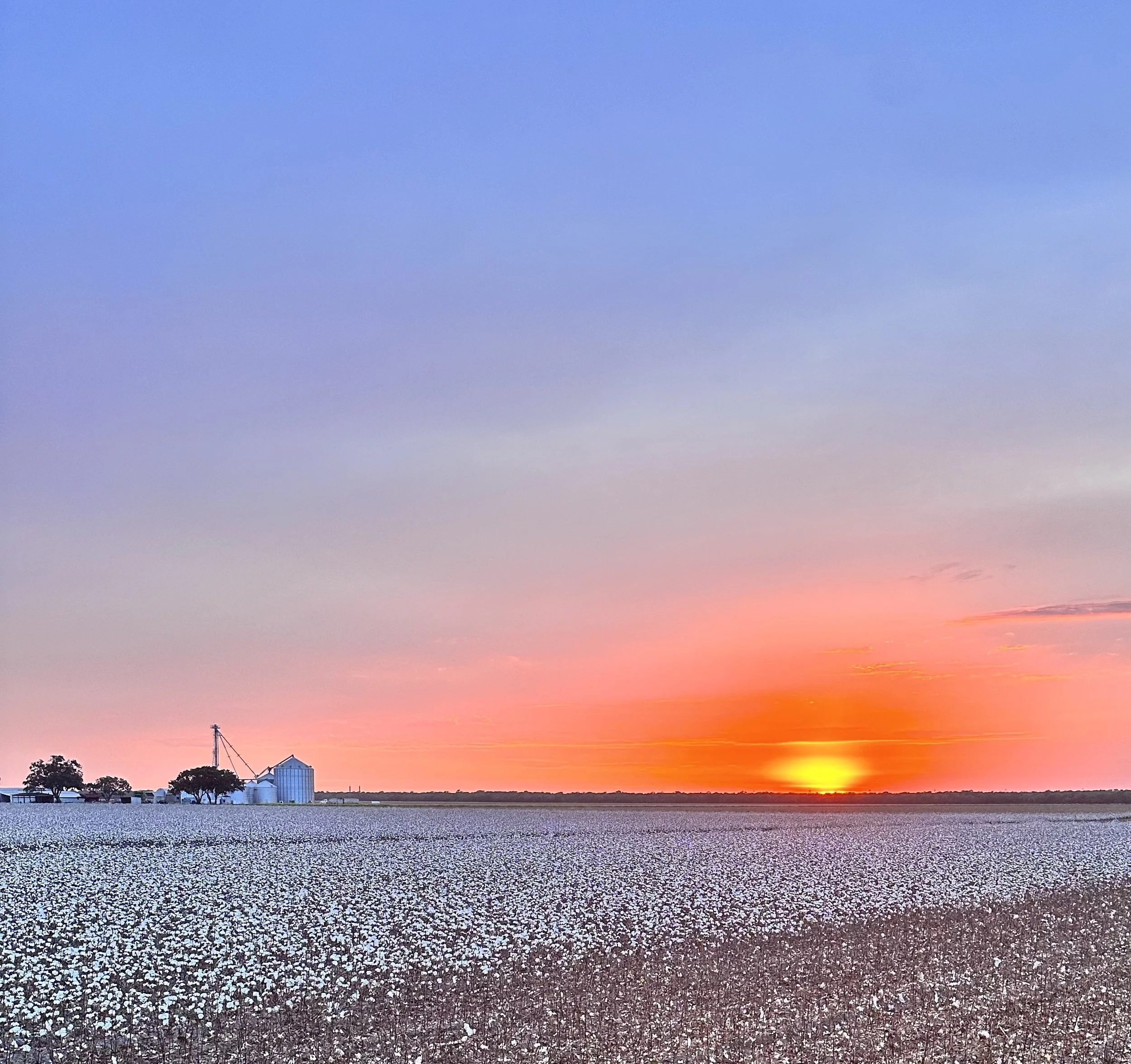
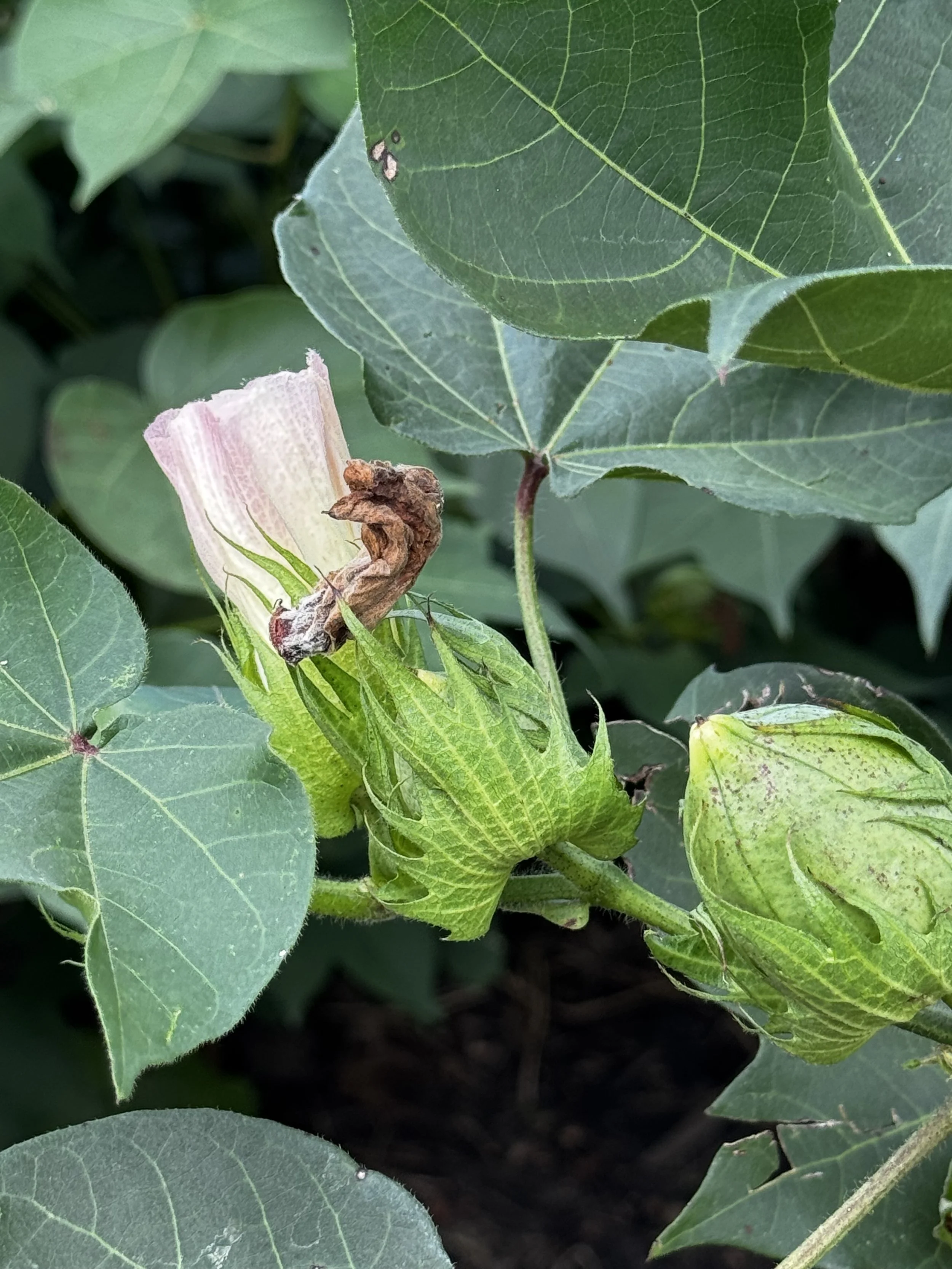
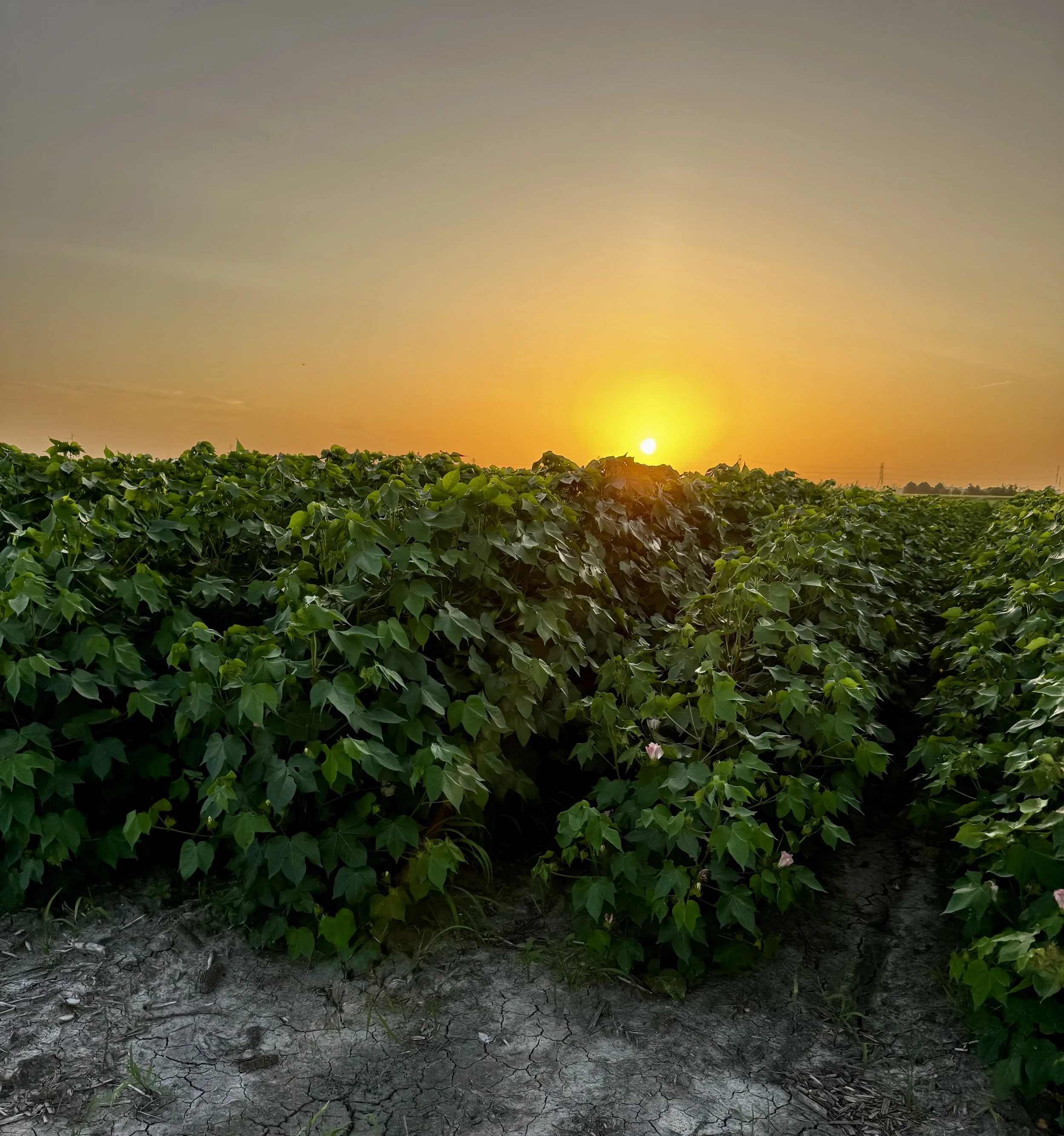
Cotton Sunsets and Blooms
6/25
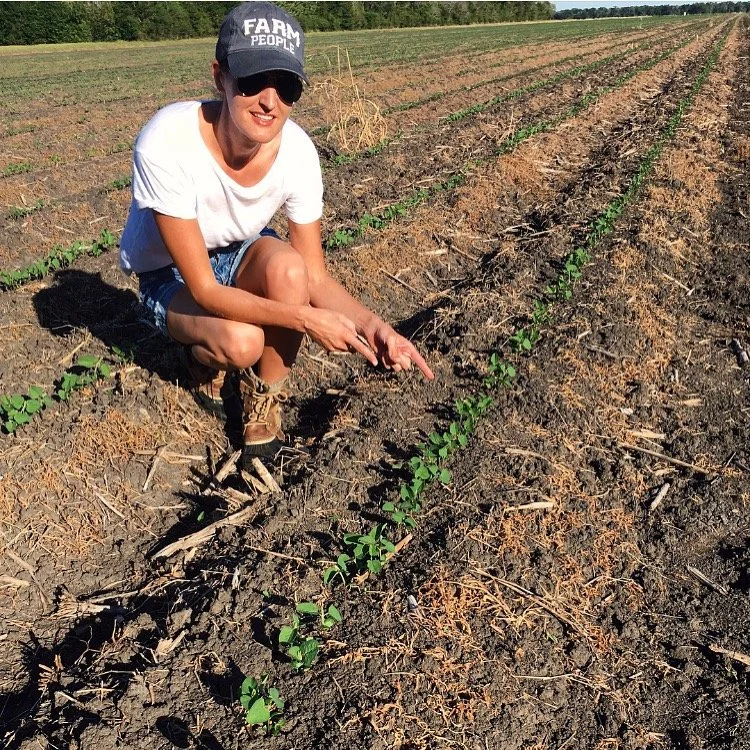
Planting Cotton
4/3/24
New season starting on the farm. More cotton going in the ground.
Cotton Coming Up
It’s amazing what all one cotton crop can produce.
Cotton Coming Up
Nice rain on this cotton
Storms Coming Through
From the bottom to the top!
5/31/24
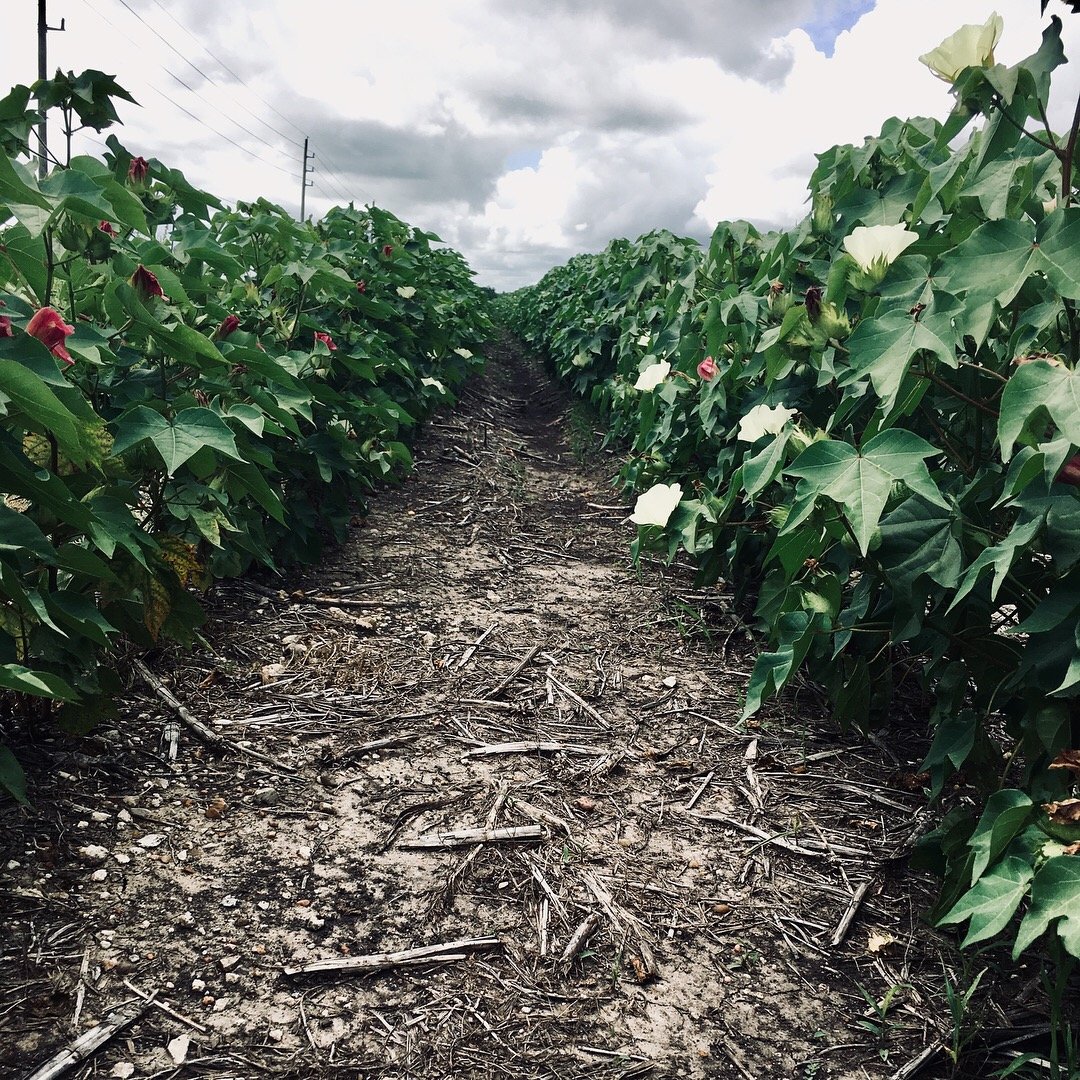
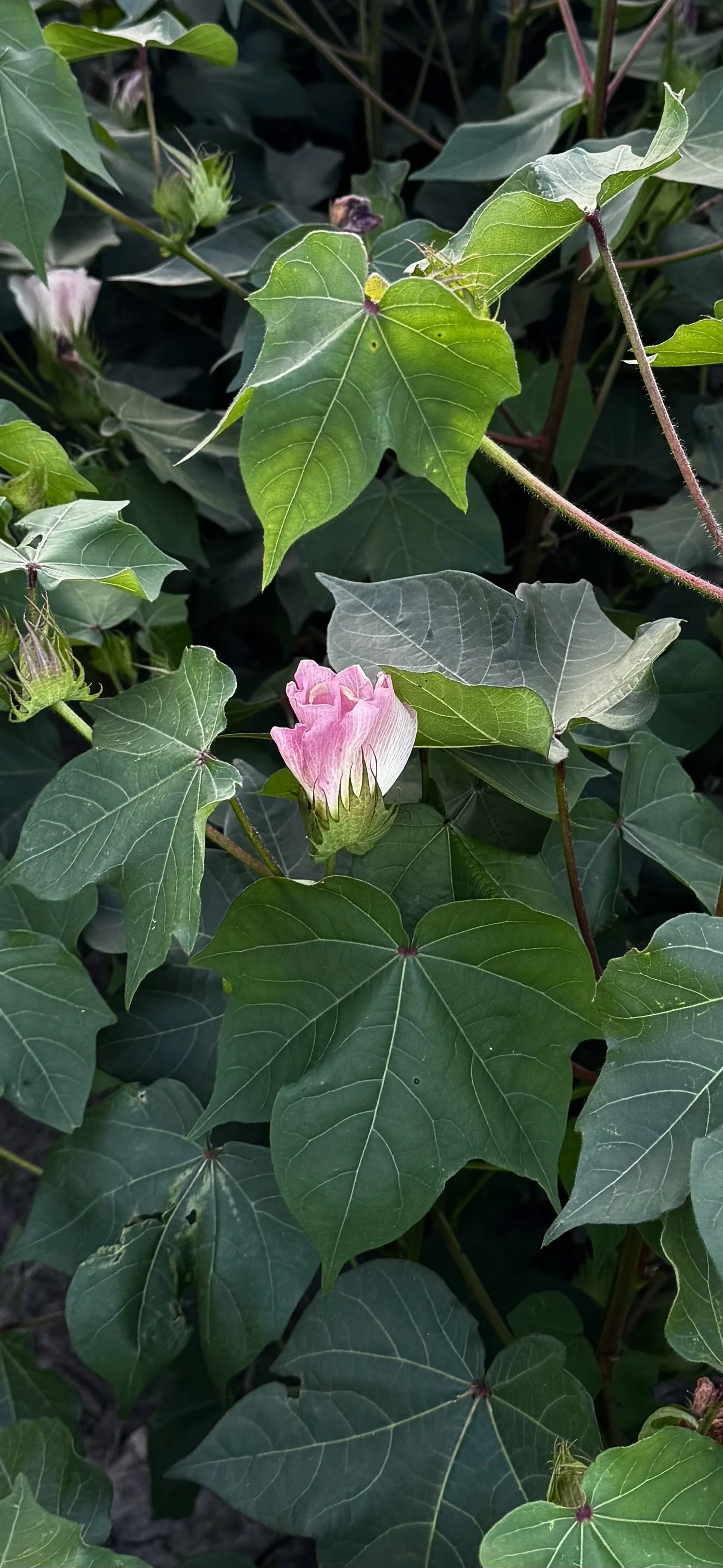
We Have Blooms
From the bottom to the top!
5/31/24
The evening before Hurricane Beryl
The eye came straight for us..
7/08/24
7 Inches of RAIN
When the rain refuses to cease and in a single night, you are inundated with a staggering 7’ of precipitation.
7/20/24
Checking the cotton fields while drone spraying, Brother carefully inspecting the aftermath of a hurricane and heavy rain, determining the impact on the crops and assessing the remaining yield potential.
7/22/24